DEFINED SCOPE · MATERIAL RECORDS · ANALYTICAL LIMITS

PFAS in Packaging

A useful PFAS brief names the actual construction, the definition being applied and the evidence required. Separate manufacturing statements from analytical findings, and keep conclusions tied to the identified samples and intended market.

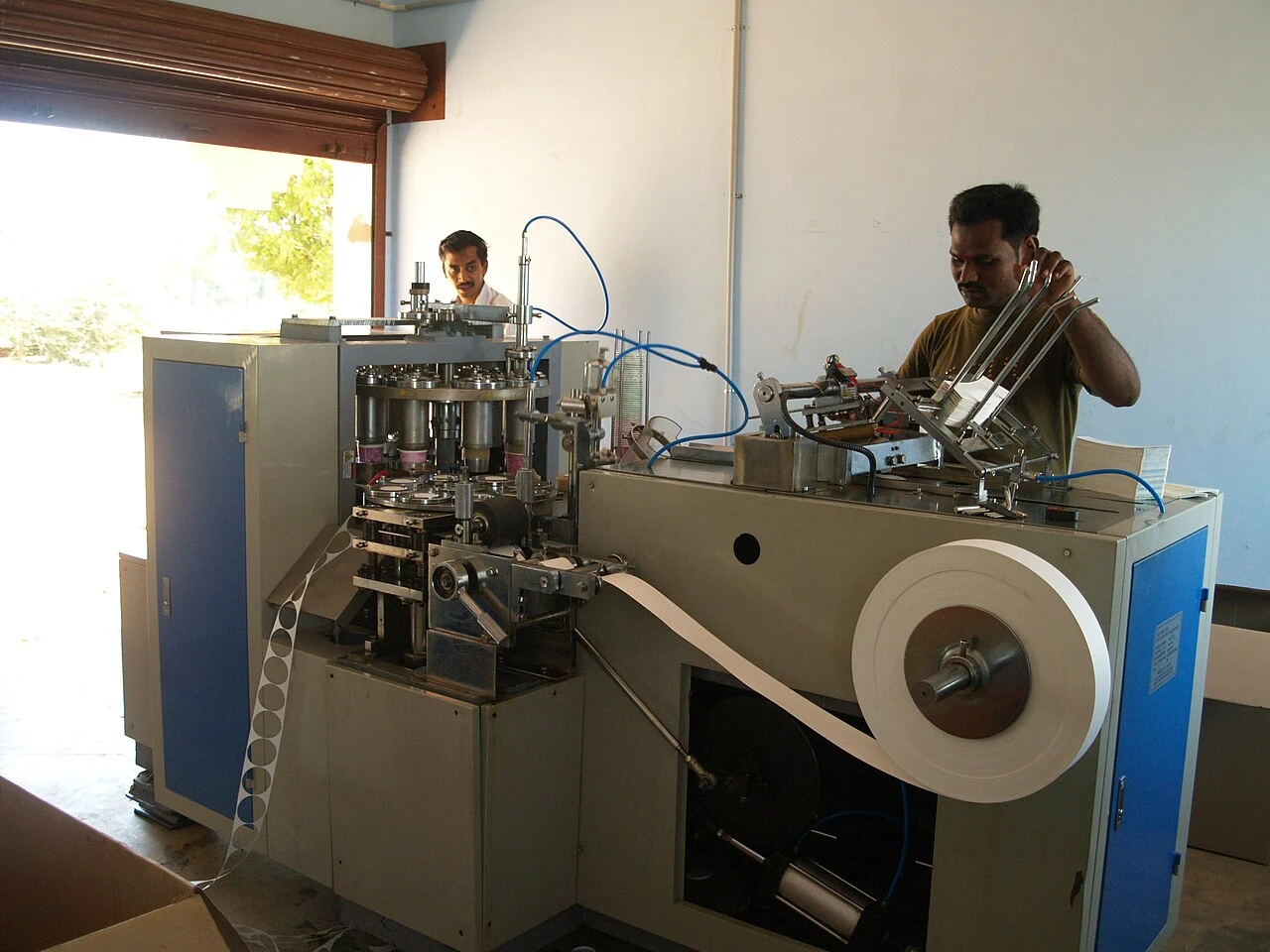
PFAS in Packaging · Reference photograph · final product configuration confirmed per project

Define the question before requesting a claim

PFAS refers to per- and polyfluoroalkyl substances. The OECD terminology guidance uses a structural definition involving fully fluorinated methyl or methylene groups, with stated exceptions; it is not a product approval. State which definition and purchasing requirement the project is applying. Then identify whether the question concerns intentional use, a specified analyte list or another defined analytical measure. These questions should not be collapsed into an unqualified PFAS-free promise. Give suppliers the intended market and actual use context, and assign competent review of the precise wording. The goal is a clear evidence request, not a declaration about health or an interpretation of market law.

Trace the actual packaging construction

List the paper or fiber base, coatings, barrier treatments, adhesives, inks, labels and other relevant components. Identify who controls each input and what can change during conversion. Natural appearance, grease resistance or a material-family name does not establish the chemical composition of the complete pack. Ask suppliers to identify the grade, treatment, process and declaration scope. A statement about one untreated sheet should not silently extend to a decorated container assembled with other materials. Keep document identities and sample references connected to the actual configuration. Relevant substitutions need review before implementation, even when the finished pack looks unchanged to the buyer.

Distinguish intentional-addition statements from test findings

A documented statement that PFAS were not intentionally added describes manufacturing intent within its declared scope. It is not the same proposition as absolute chemical absence. Ask who issued the statement, which inputs and operations it covers, and what upstream information supports it. Separately, a laboratory finding describes an identified sample under a particular method and reporting limits. A non-detect needs that context; it should not become a zero-content guarantee. The FDA food-contact explanation notes that contamination or impurities may be relevant even without intentional use. Keep these distinctions visible when approving supplier wording.

Read targeted analysis and fluorine screening differently

Targeted testing examines the substances included in the reported method, rather than establishing absence of every PFAS. Total fluorine and organic-fluorine measures are different analytical quantities; neither should be relabelled as a complete list of identified PFAS. Sample preparation, method scope and other fluorine sources matter to interpretation. The CPSC analytical overview distinguishes targeted and broader fluorine approaches. Ask a competent laboratory to explain suitability for the actual packaging matrix, analytes, reporting basis, limits and unresolved questions. Do not copy settings or thresholds from another material or context. A screening result and a targeted result can inform different parts of the evidence file.

Release precise wording and maintain the evidence basis

The purchasing file should identify construction, definition, requested statement, supplier documentation, sampling information, analytical reports and responsible interpretation. Decide whether the supported wording needs narrowing or further work; a broad customer request does not itself create supporting evidence. Keep the exact approved text and translations linked to the relevant configuration. Review changes to stock, treatment, adhesive, printing or source against that basis, and obtain current qualified review for intended-market communication. Product formats shown here are candidates for specification work, not verified PFAS claims. A defensible outcome is a traceable decision with explicit analytical and documentary bounds, rather than an unsupported universal guarantee.

Define your project.

  1. Identify the definition, construction and intended market.
  2. Request a scoped, attributable intentional-addition statement.
  3. Match sample, material grade and production references.
  4. Review targeted analytes, fluorine measures and reporting limits separately.
  5. Approve exact wording with competent technical interpretation.

Knowledge for the next decision