HOTELS & HOSPITALITY

Hotel food packaging, from breakfast to room service

Different hotel services need different packaging decisions. Breakfast collection, room service, takeaway counters and banquets do not share the same handling sequence. Build a coordinated family around those differences, with clear food, portion, presentation and delivery references for each application.

Hotel food packaging, from breakfast to room service · Reference photograph · final product configuration confirmed per project

Relevant product types

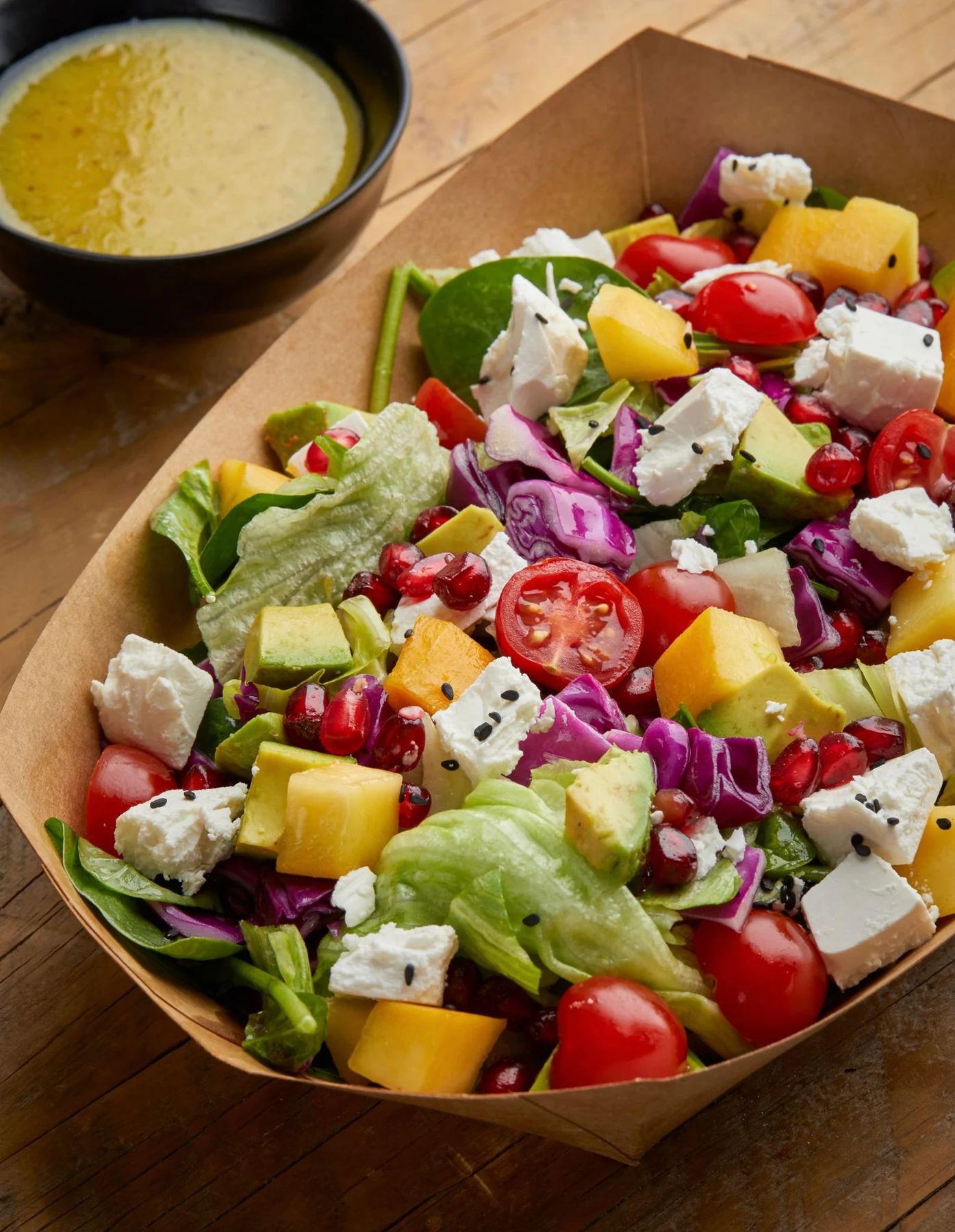
Reference photograph: Fresh salad in a kraft paper bowl

Paper salad bowls

An illustrative bowl format for salads and prepared meals. Develop the bowl, lid and inner surface together around the actual ingredients, portion,…

Explore specification
Reference photograph: Fresh salad in a kraft paper bowl

Paper soup bowls

A paper bowl concept for soup service. Specify the filled system, closure and inner treatment against the actual recipe, filling conditions, service…

Explore specification
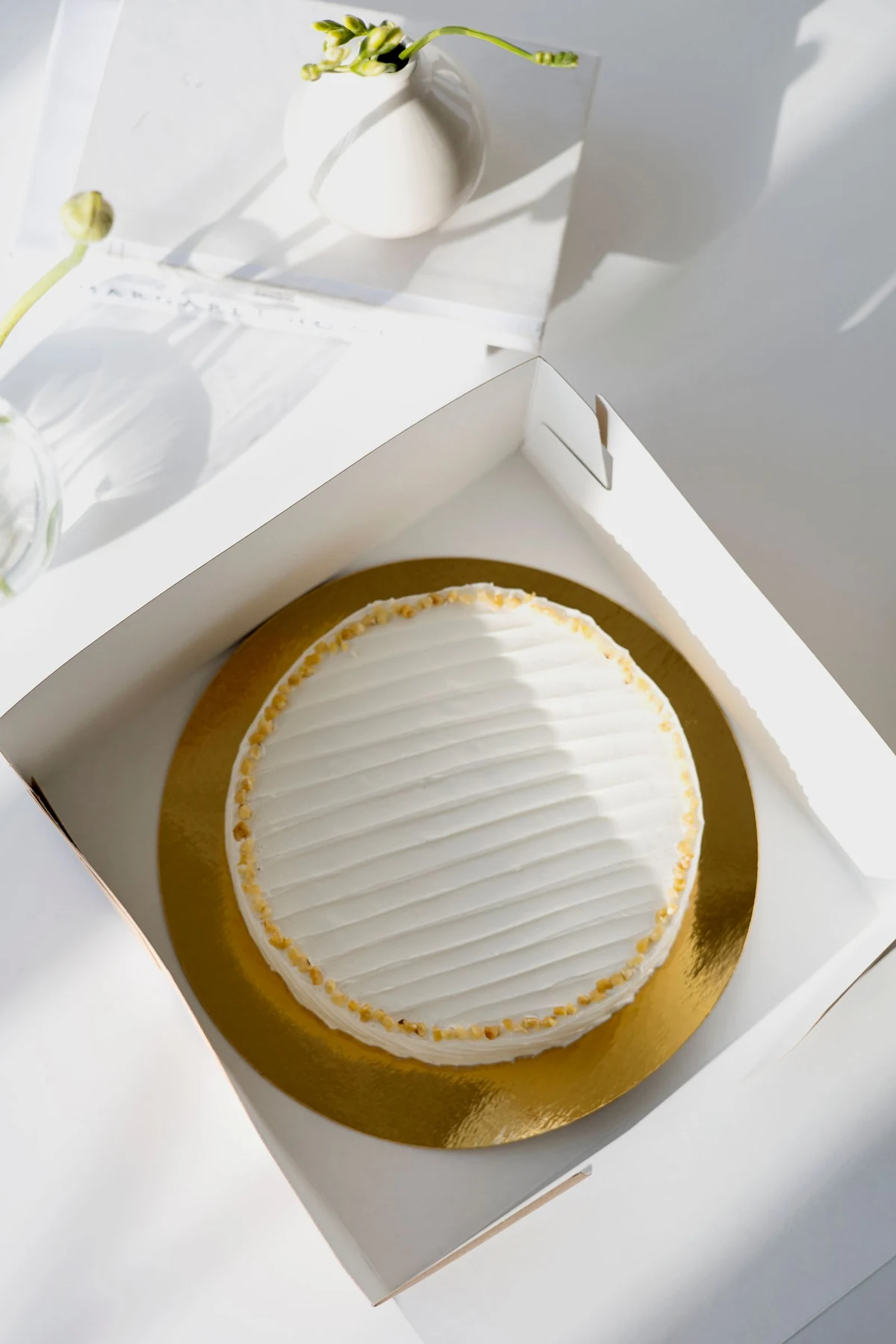
Reference photograph: Cake in a white bakery box

Bakery window boxes

A windowed carton concept for bakery presentation. Define the board, window patch and attachment as one assembly, then review product clearance,…

Explore specification
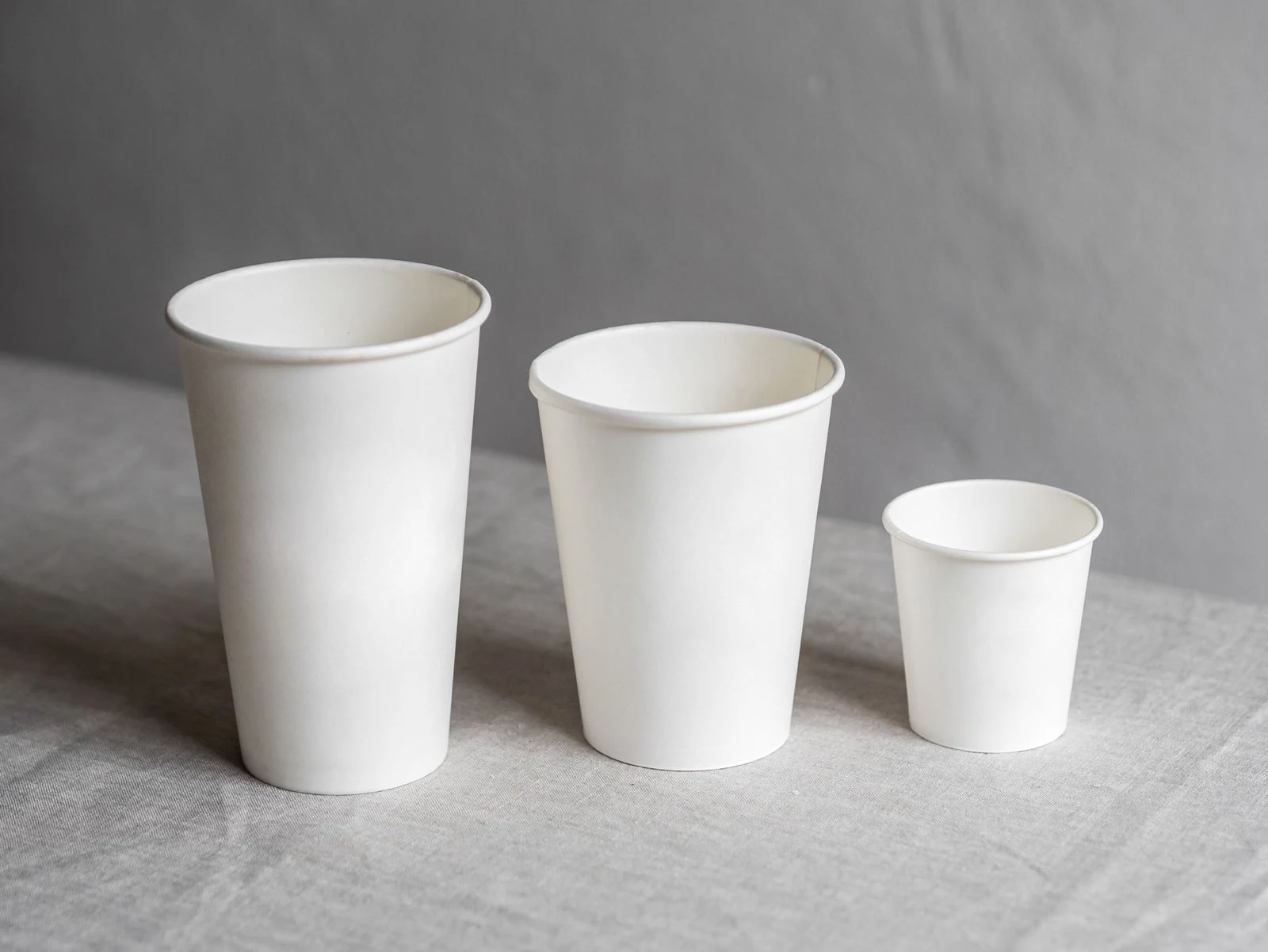
Reference photograph: Three white paper cups

Paper hot-drink cups

A paper cup concept for hot-drink service. Develop cup construction, inner treatment and lid fit against the actual beverage and service conditions,…

Explore specification
Reference photograph: Three white paper cups

Paper cold-drink cups

An illustrative paper cup for cold beverages. Define the drink, ice use and service conditions, then review the cup surface, lid and carrying arrangement…

Explore specification

Reference photograph: Takeaway coffee cups with lids

Cup lids

A lid concept specified with its matching cup rim. Review material, engagement, drinking opening and handling as a complete filled system; similar…

Explore specification
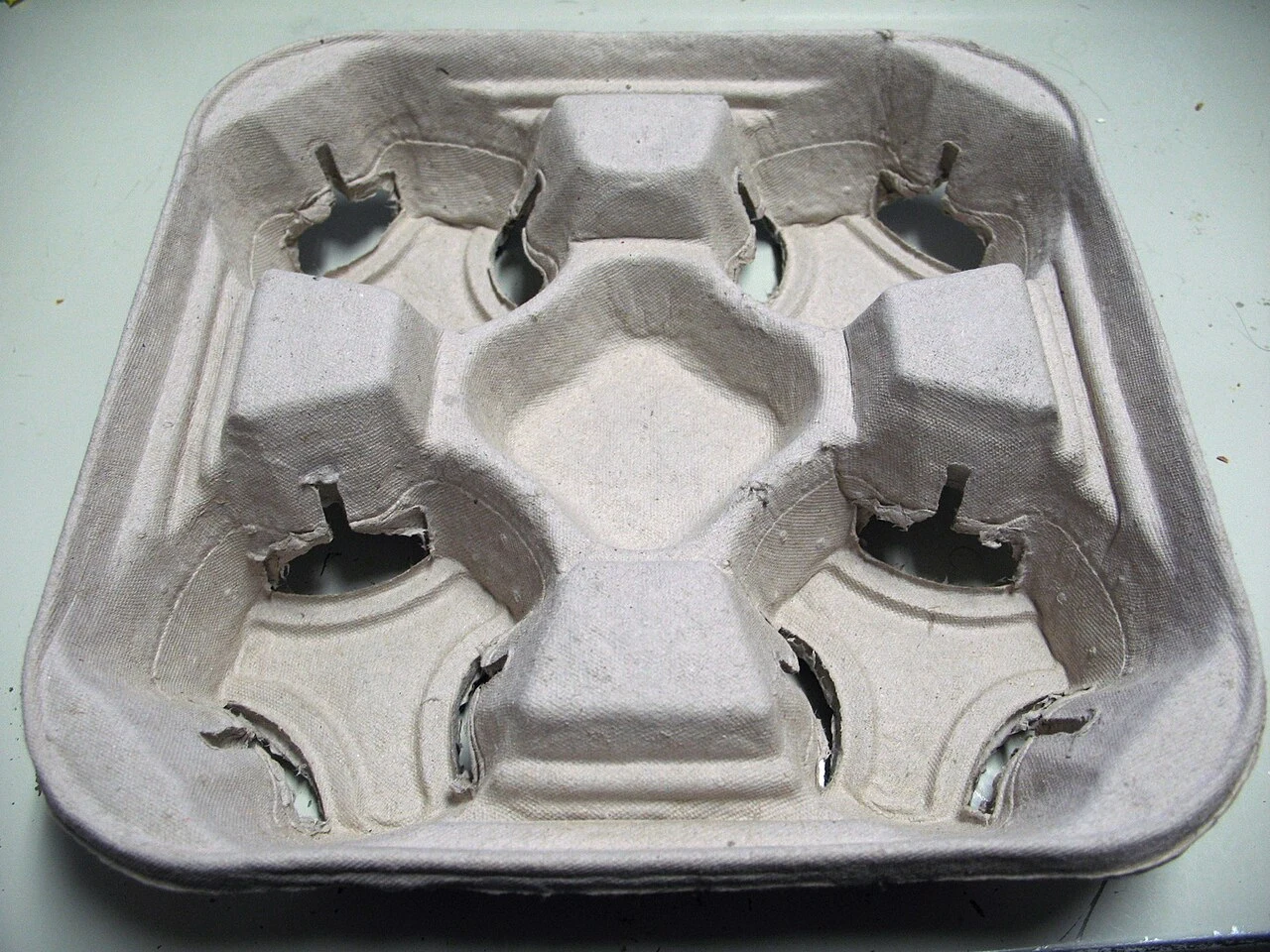
Reference photograph: McDonalds Molded Pulp Drink Tray Top.jpg

Paper cup carriers

A paper carrier concept for multiple filled cups. Develop cup pockets, grip and support around the actual cup-and-lid combination, intended arrangement…

Explore specification

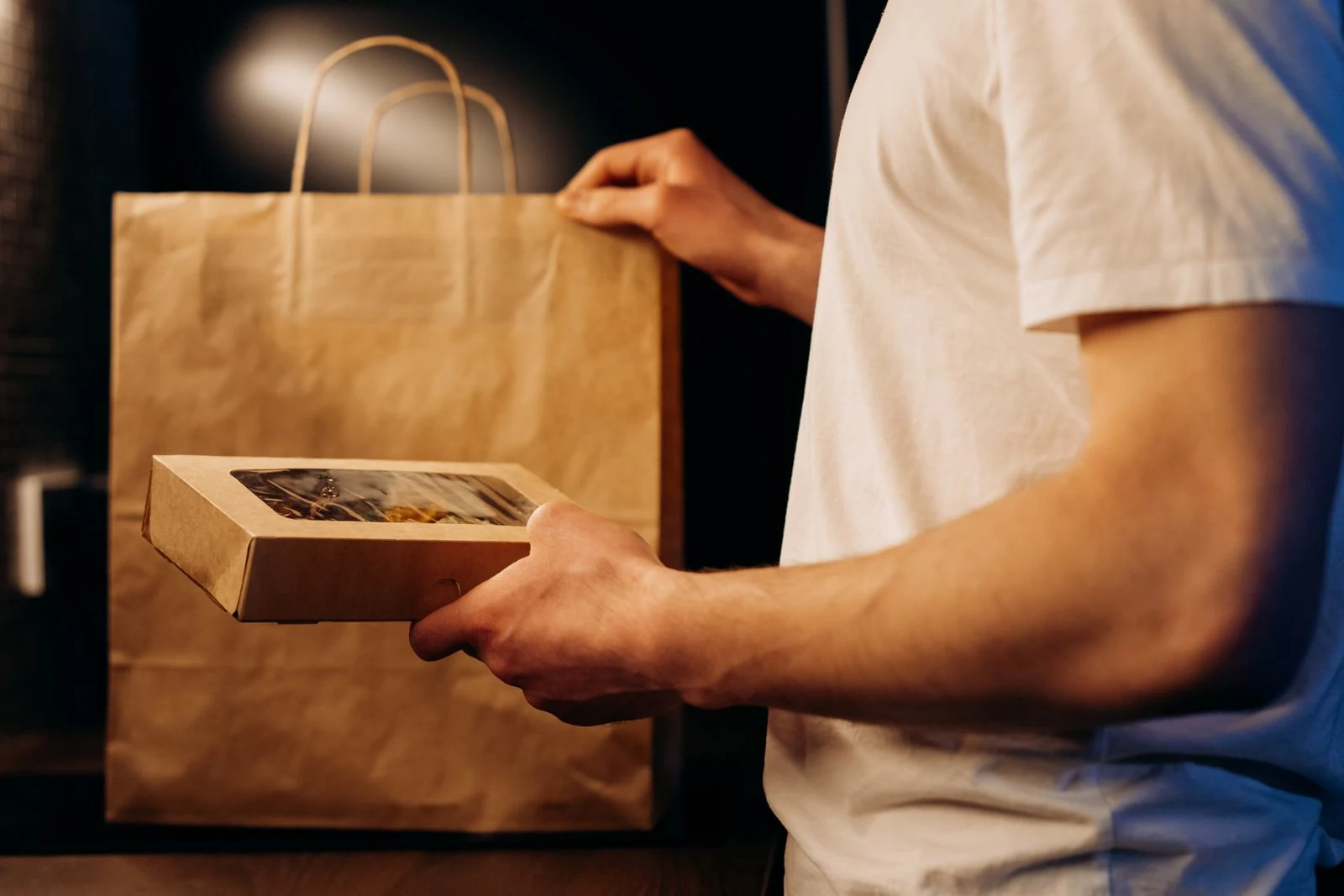
Reference photograph: Kraft paper shopping bags

Takeaway carrier bags

A paper carrier bag concept for takeaway orders. Match bag dimensions, base and handle construction to the actual container assortment, gross load and…

Explore specification
Reference photograph: Three white paper cups

Portion cups

A small container concept for sauces and condiments. Develop usable portion, rim and closure with the actual recipe and filling conditions, including how…

Explore specification

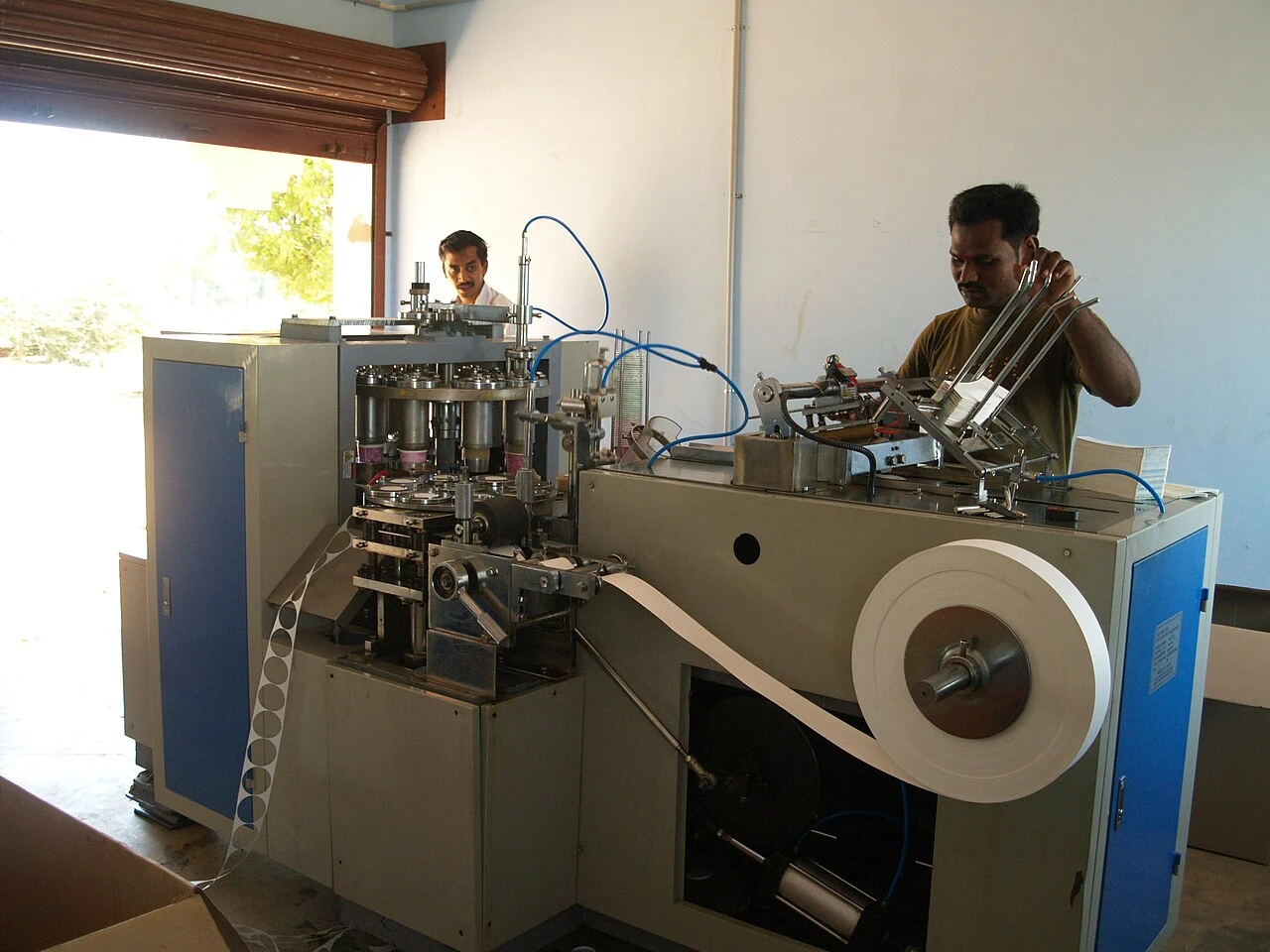
Reference photograph: Rolled paper sheets in a workshop

Bowlstock paperboard

A paperboard concept for formed food bowls. Review grade, grammage, caliper, barrier construction and conversion behaviour with the actual bowl geometry,…

Explore specification

Separate the service occasions

Map where food is prepared, packed, handed over and consumed. A breakfast collected by a guest differs from a tray carried to a room or a meal prepared for a scheduled function. Record actual menus, contact conditions and the planned waiting stages. Identify which packs need a lid, separate dressing, outer bag or drink carrier. A shared visual identity can remain consistent without forcing every service into one physical format. Treat commonality as a considered operating choice, supported by evidence for the applications included.

Also identify shared stock and service-specific stock at the point of use. A common lid can be convenient only when the reviewed container matches remain clear. Ask how housekeeping, catering or outlet teams receive the correct references for their own role, without assuming each team performs the same task. Where a service is outsourced, retain a defined handover for component identity, quantities and approved artwork so the packaging family remains understandable across organisational boundaries.

Develop breakfast around guest collection

Review bakery boxes, bowls, portion cups and drinks as one collection arrangement. Check usable portions, separation, opening and the way staff replenish the counter. A container that looks attractive on display may be difficult to close once the actual garnish is added. Review how guests carry several items together and how cups fit the selected carrier. Keep appearance references distinct from food-contact and handling evidence. Samples should represent the food and components used, rather than a neatly arranged display prepared only for photography.

Consider room-service movement and presentation

Describe the route from kitchen to guest, including trays, outer carriers and any handover between teams. Review closed height, grouping, labels and the sequence in which the guest opens the order. A sauce cup, soup lid or drink can affect the whole arrangement. If the process includes equipment or later use, state the actual conditions for technical review. Agree the presentation attributes that matter and retain a physical reference where practical. A premium finish should support the service, without obscuring practical access or component identity.

Give banquet and event orders their own brief

Scheduled functions may require grouped preparation, staged replenishment and a different mix of plates, trays or individual portions. Define the actual service rather than assuming banquet demand is simply a larger breakfast order. Show the version and quantity mix, packing units and the way staff access stock during service. Evaluate representative filled packs and the proposed outer arrangement. Separate known requirements from provisional headcount or menu decisions so a quotation can remain useful without turning uncertain planning inputs into fixed production instructions.

Coordinate procurement across the property

Use clear item codes for each service configuration, with common components identified deliberately. Ask suppliers to separate recurring supply from sampling, tooling, printing and delivery scope. Paper inputs should connect to the converted bowl, cup or carton, including relevant surface treatment and application documents. Keep approved artwork, component matches and sample limitations traceable. A substitution in one department should not silently become the standard elsewhere. The result is a manageable specification family, with room to adapt menus while preserving a clear record of what each service has actually reviewed.

Define your project.

  1. Breakfast, room-service and banquet use map
  2. Actual menus and contact conditions
  3. Container, lid, cup and carrier matches
  4. Quantity and artwork mix by service
  5. Approved samples and substitution route

Knowledge for the next decision