INSTITUTIONAL FOODSERVICE

Institutional foodservice packaging, built for the operator

Define packaging around the operator’s actual meals, preparation model and serving points. Central kitchens, workplace dining and other organised foodservice arrangements need clear component scope and repeatable handling. Establish the application first, then compare containers, paper inputs and equipment against the same operational references.

Institutional foodservice packaging, built for the operator · Reference photograph · final product configuration confirmed per project

Relevant product types

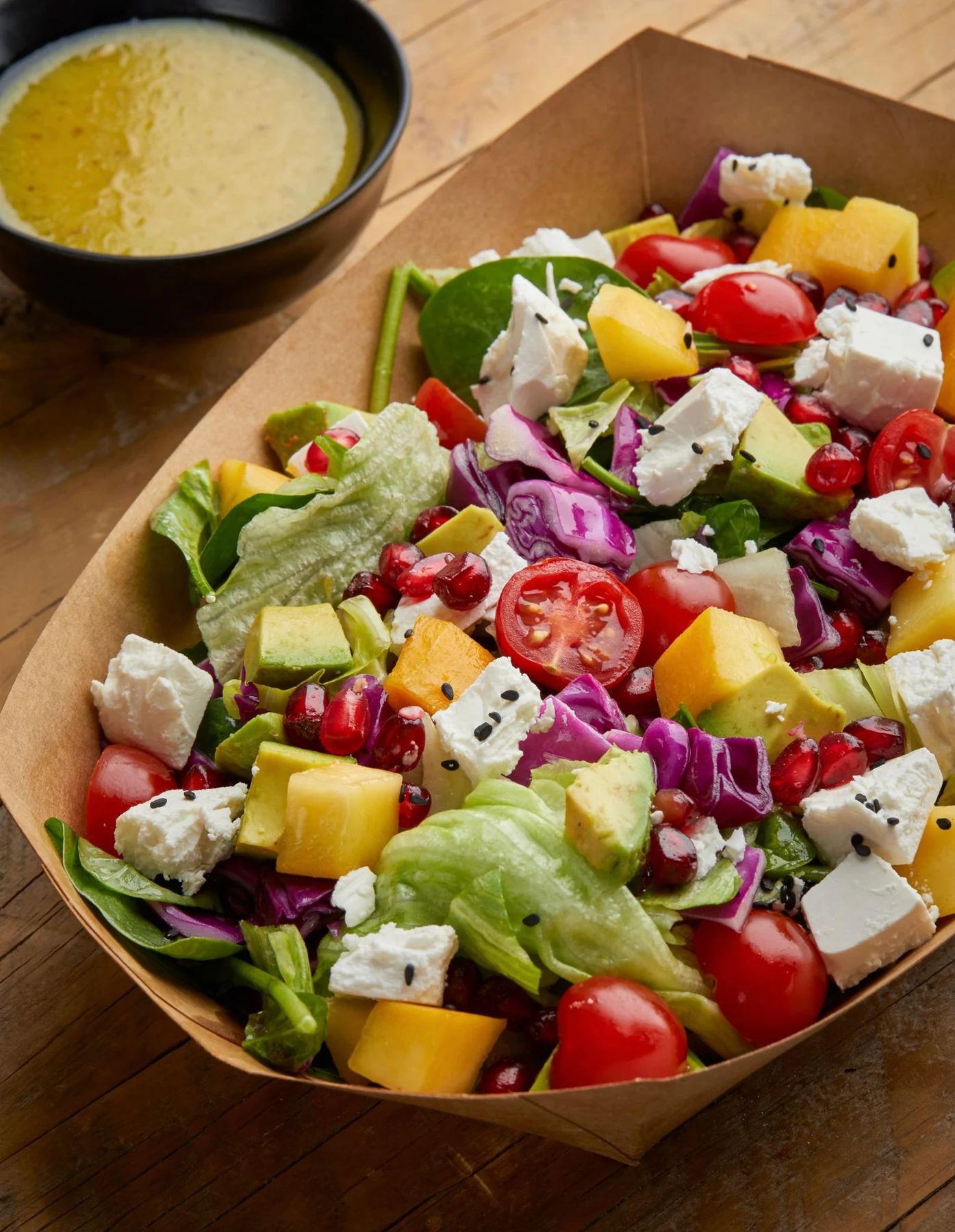
Reference photograph: Fresh salad in a kraft paper bowl

Paper soup bowls

A paper bowl concept for soup service. Specify the filled system, closure and inner treatment against the actual recipe, filling conditions, service…

Explore specification

Reference photograph: Paper Plate.jpg

Paper food plates

An illustrative paper plate for meal service. Specify plate geometry, formed rim and surface construction against the intended foods, portion and service…

Explore specification
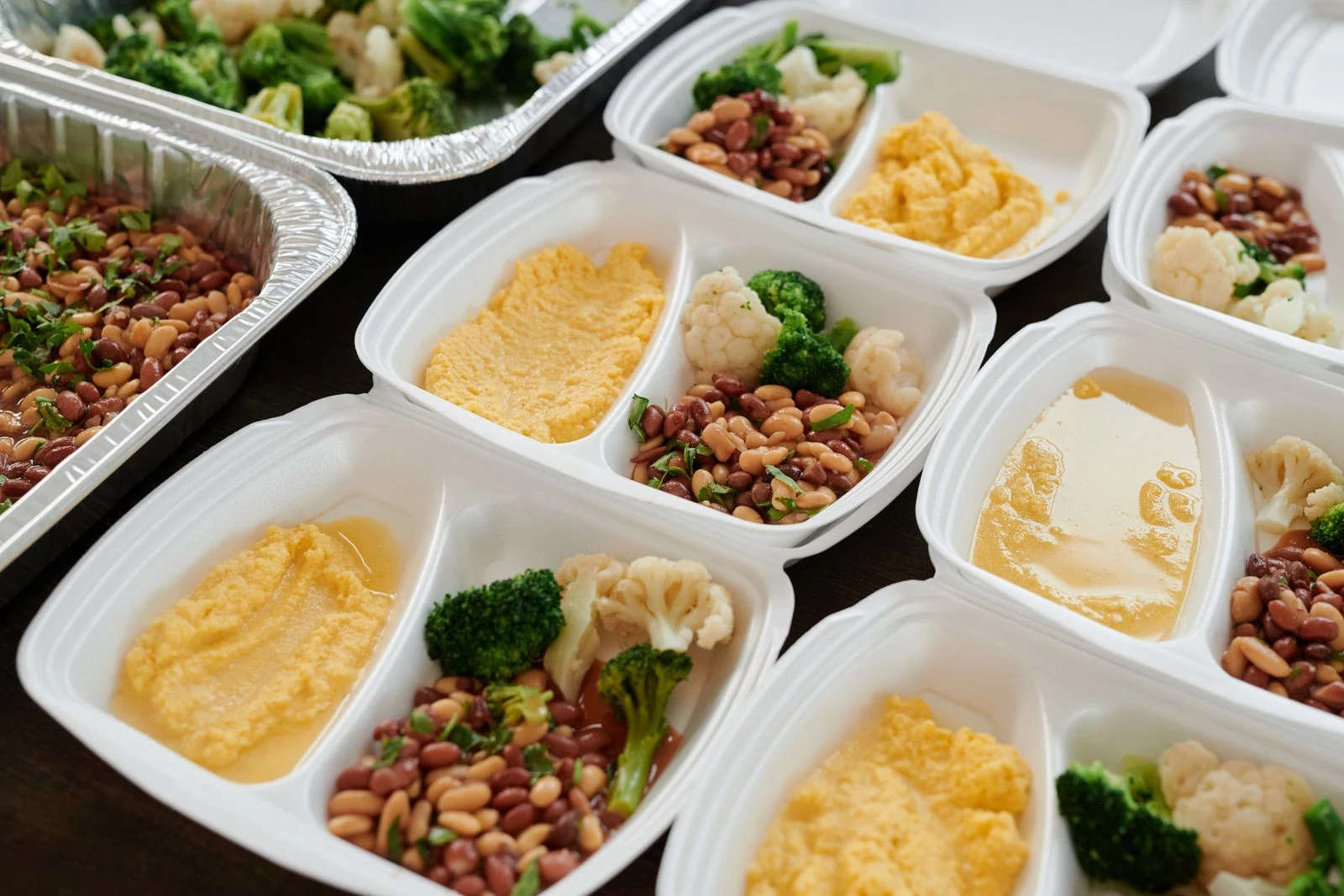
Reference photograph: Prepared meals in food containers

Compartment food trays

A compartmented tray concept for separated meal portions. Review cavity geometry, divider height and closure interaction with the actual meal and serving…

Explore specification
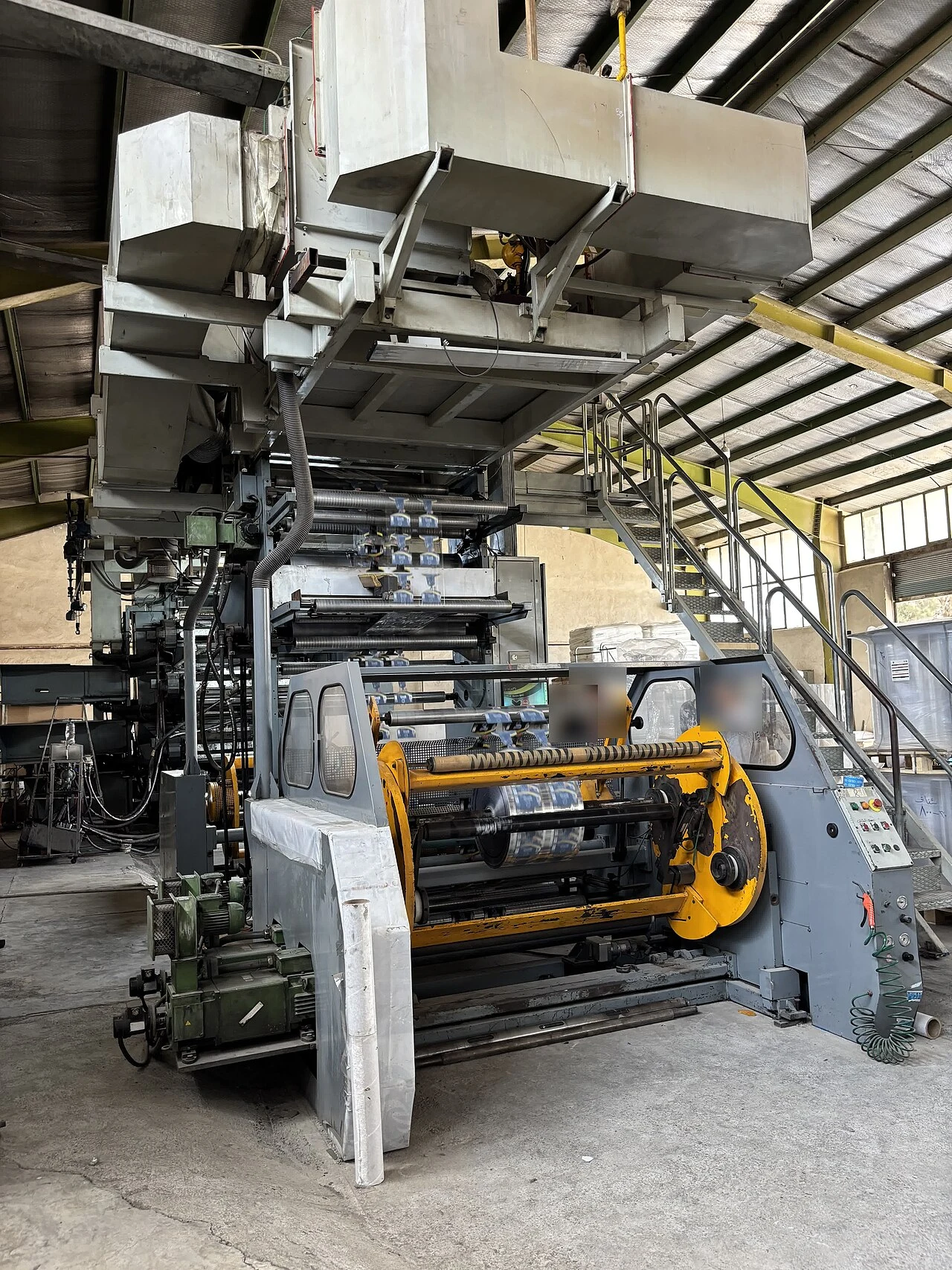
Reference photograph: Navid Selfon plant - film printing press, Tehran (2026).jpg

Food tray lidding films

A lidding-film concept developed with its matching tray. Specify the tray surface, film structure, opening requirement and actual sealing process…

Explore specification
Reference photograph: Fresh salad in a kraft paper bowl

Paper food tubs

A deeper paper tub concept for larger food portions or shared service. Review filled mass, base construction, rim and closure alongside the actual food,…

Explore specification

Reference photograph: Three white paper cups

Paper hot-drink cups

A paper cup concept for hot-drink service. Develop cup construction, inner treatment and lid fit against the actual beverage and service conditions,…

Explore specification
Reference photograph: Three white paper cups

Portion cups

A small container concept for sauces and condiments. Develop usable portion, rim and closure with the actual recipe and filling conditions, including how…

Explore specification
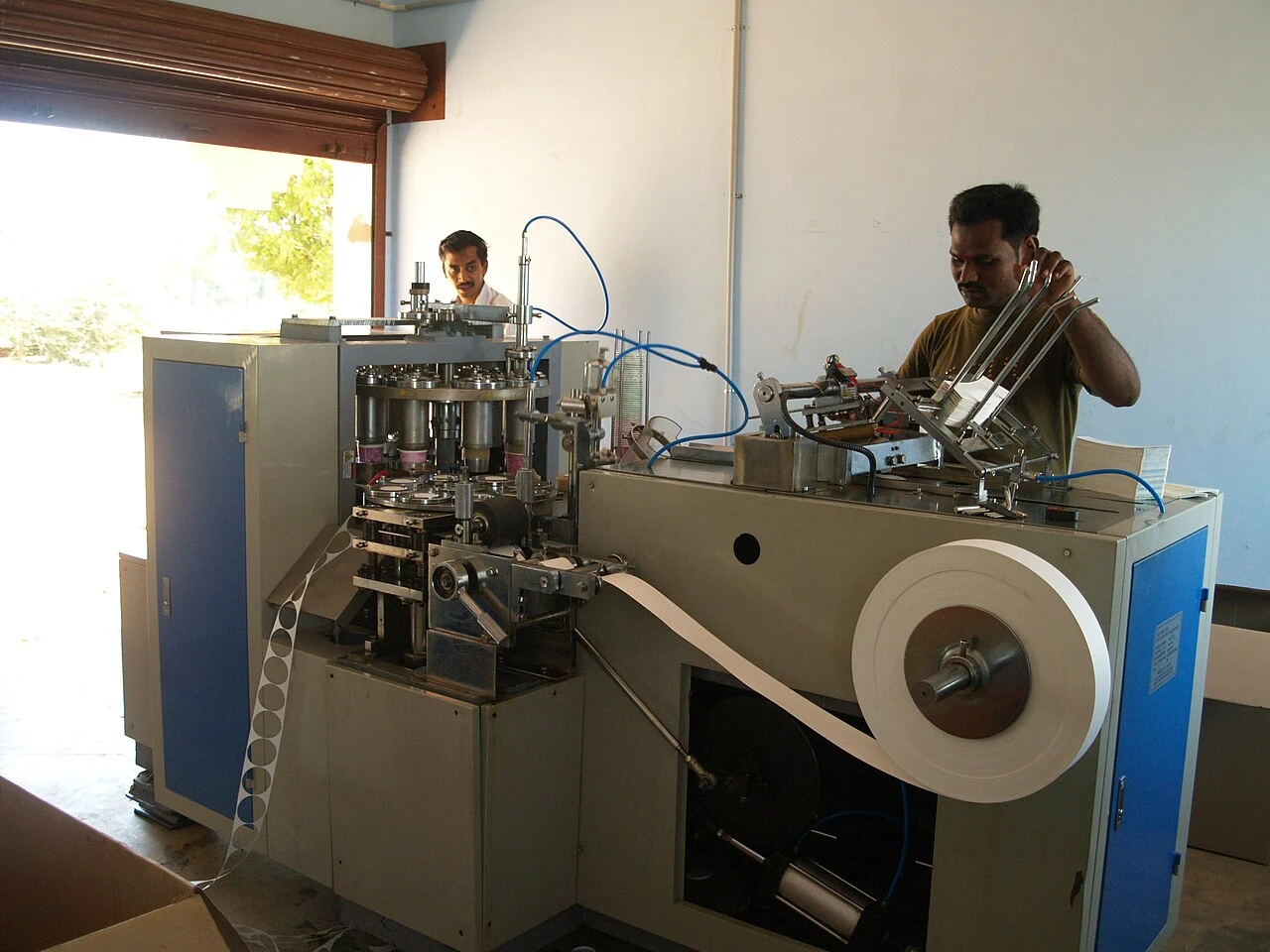
Reference photograph: Paper cup making machine.jpg

Paper bowl forming machines

A forming-machine concept for paper bowls. Match tooling and process to the actual bowl geometry and stock, including base and rim formation, with…

Explore specification

Reference photograph: Rolled paper sheets in a workshop

Bowlstock paperboard

A paperboard concept for formed food bowls. Review grade, grammage, caliper, barrier construction and conversion behaviour with the actual bowl geometry,…

Explore specification
Reference photograph: Rolled paper sheets in a workshop

Coated food packaging board

A coated-board concept for specified food-packaging conversion. Define the board grade, grammage, caliper, coating faces and barrier purpose together…

Explore specification

Describe the foodservice operation precisely

Start with where meals are prepared, how they are portioned and where they are received or served. Distinguish central packing from filling at the serving point. Record the actual menus, contact conditions, waiting stages and handling responsibilities. A broad institutional label does not describe these details. If several sites share a range, identify their operational differences and which applications have been reviewed. The specification should support the operator’s actual task, with clear boundaries for each menu, site and service arrangement.

Develop portions and compartments with actual food

Review the usable space of each cavity, the placement of sauces and accessories, and the interaction between the filled tray and its closure. A compartment divider does not automatically prevent transfer during handling. Check loading, closing, carrying and access with representative portions rather than capacity labels alone. Plates, bowls and tubs should also be assessed through the intended service action. Keep the required observations and the food-contact evidence route distinct. Neither a heavier material nor a familiar resin or paper name establishes the whole application.

Coordinate scheduled assembly and distribution

Map the sequence from empty-pack receipt to preparation, identification, grouping, dispatch and replenishment. Ask the working team to review access to nested components, matching lids and the proposed outer packing. Similar formats need clear identifiers so receiving staff can select the correct item. Quantity forecasts, artwork mixes and delivery splits should be stated explicitly. A single large total can conceal different component needs. Keep provisional planning information separate from committed quantities and identify who confirms changes before they become production or delivery instructions.

Clarify which receiving point checks component identity and which team prepares the final serving unit. Where empty packaging and filled meals travel through different routes, describe each handover separately. Storage form and replenishment should match the operator’s available space and access pattern. Review these arrangements using actual packed information where practical. A proposed standard format becomes useful when staff can receive, distinguish and use it consistently, not merely when every site has been assigned the same product name.

Link machinery and paper supply to the system

If the project includes forming or sealing equipment, identify the actual machine configuration, packaging input and required supplier support. Paperboard specifications should connect material identity, surface treatment, format and the intended converted product. Ask equipment and material suppliers to review their shared interface, with representative trials defined by qualified technical staff. Do not assume that a successful demonstration on another input validates this application. Keep tooling, format parts, setup assistance, samples and recurring supply visible as separate scope questions when comparing proposals.

Create a usable release and repeat-order record

Retain the approved menu applications, component references, drawings, artwork, sample limitations and packing arrangement. Agree relevant checks and who decides whether unresolved findings prevent release. The record should help operators understand what to use and procurement understand what to reorder. A change in food, lid, coating, paper source, machine or site process needs a relevance review of previous evidence. This does not mean repeating everything automatically; it means assigning the affected question to the right reviewer and preserving the reason for the decision.

Define your project.

  1. Operator and serving-point process map
  2. Actual portions and contact conditions
  3. Component ratios, identifiers and deliveries
  4. Paper and equipment interface requirements
  5. Release records and repeat-order checks

Knowledge for the next decision