CLOUD KITCHENS & DELIVERY

Delivery packaging that connects kitchen assembly to handoff

Build the specification around the completed order and the route it follows. Shared kitchens, multiple menu identities and delivery handoffs need clear component matching and repeatable assembly. Define what is filled, closed, identified, grouped and carried before choosing a common container family or a production method.

Delivery packaging that connects kitchen assembly to handoff · Reference photograph · final product configuration confirmed per project

Relevant product types

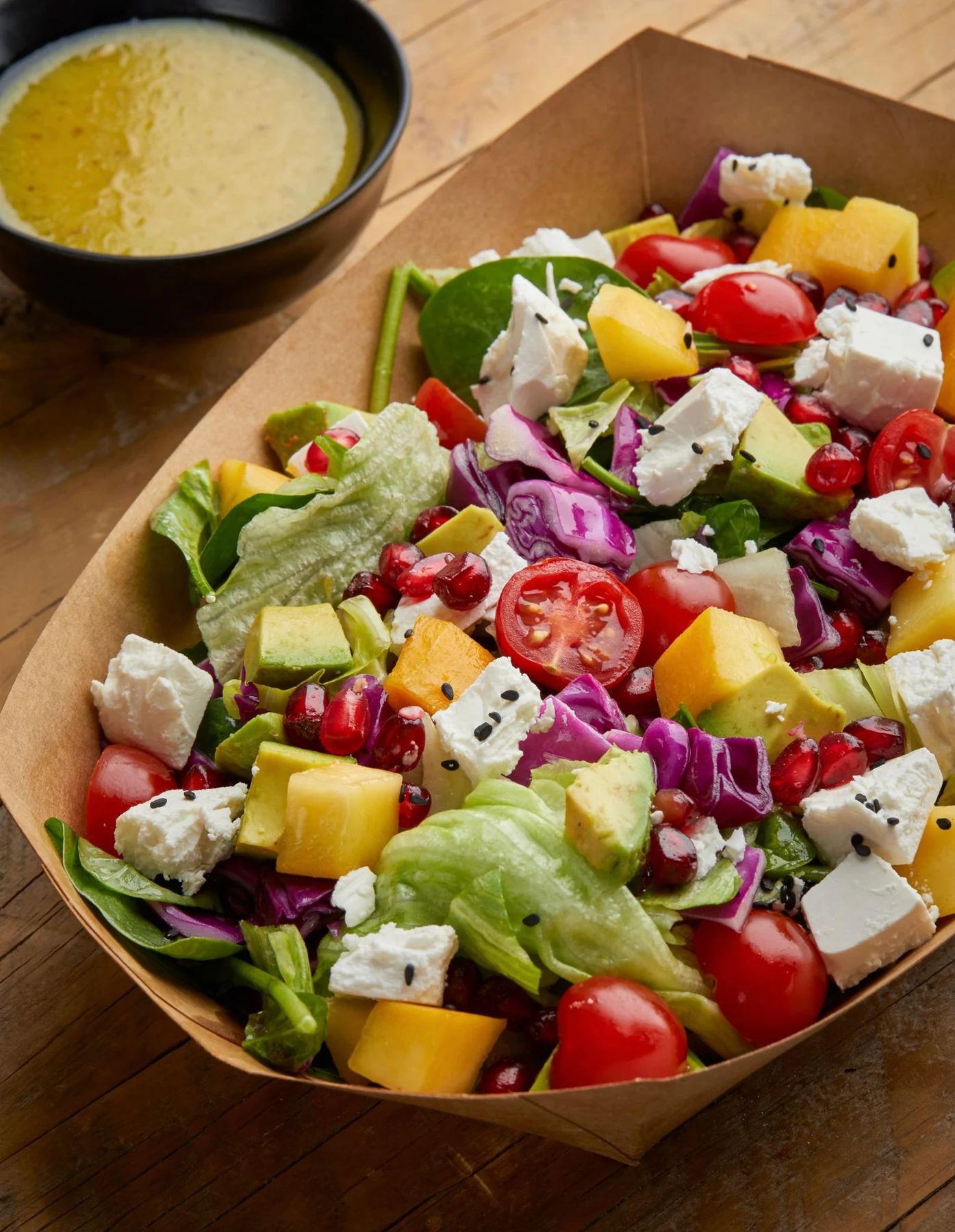
Reference photograph: Fresh salad in a kraft paper bowl

Paper soup bowls

A paper bowl concept for soup service. Specify the filled system, closure and inner treatment against the actual recipe, filling conditions, service…

Explore specification
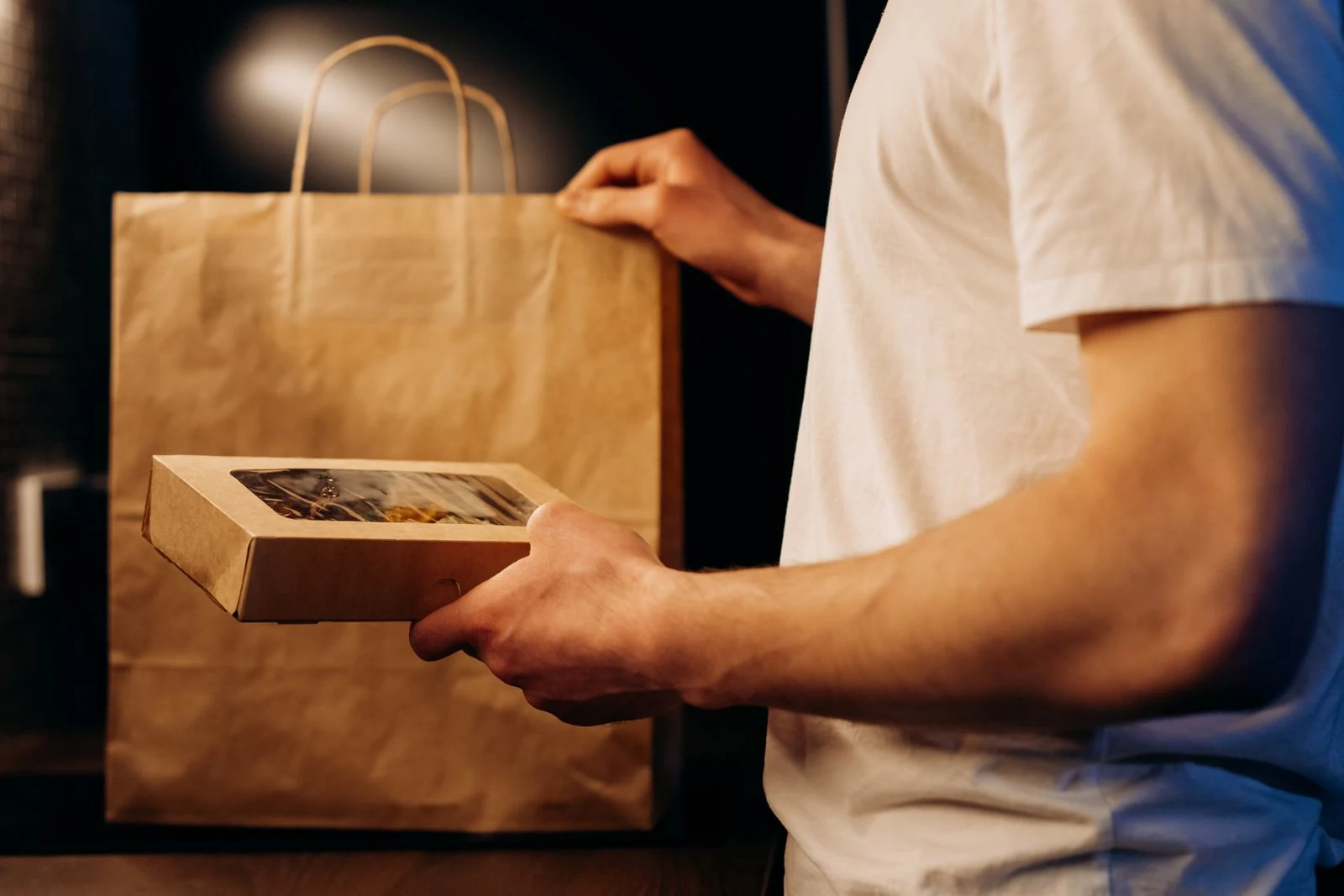
Reference photograph: Food packed in a kraft takeaway box and carrier bag

Rectangular paper food containers

A rectangular container concept for portioned meals. Review usable space, corner construction, closure and inner surface with the actual food and packing…

Explore specification
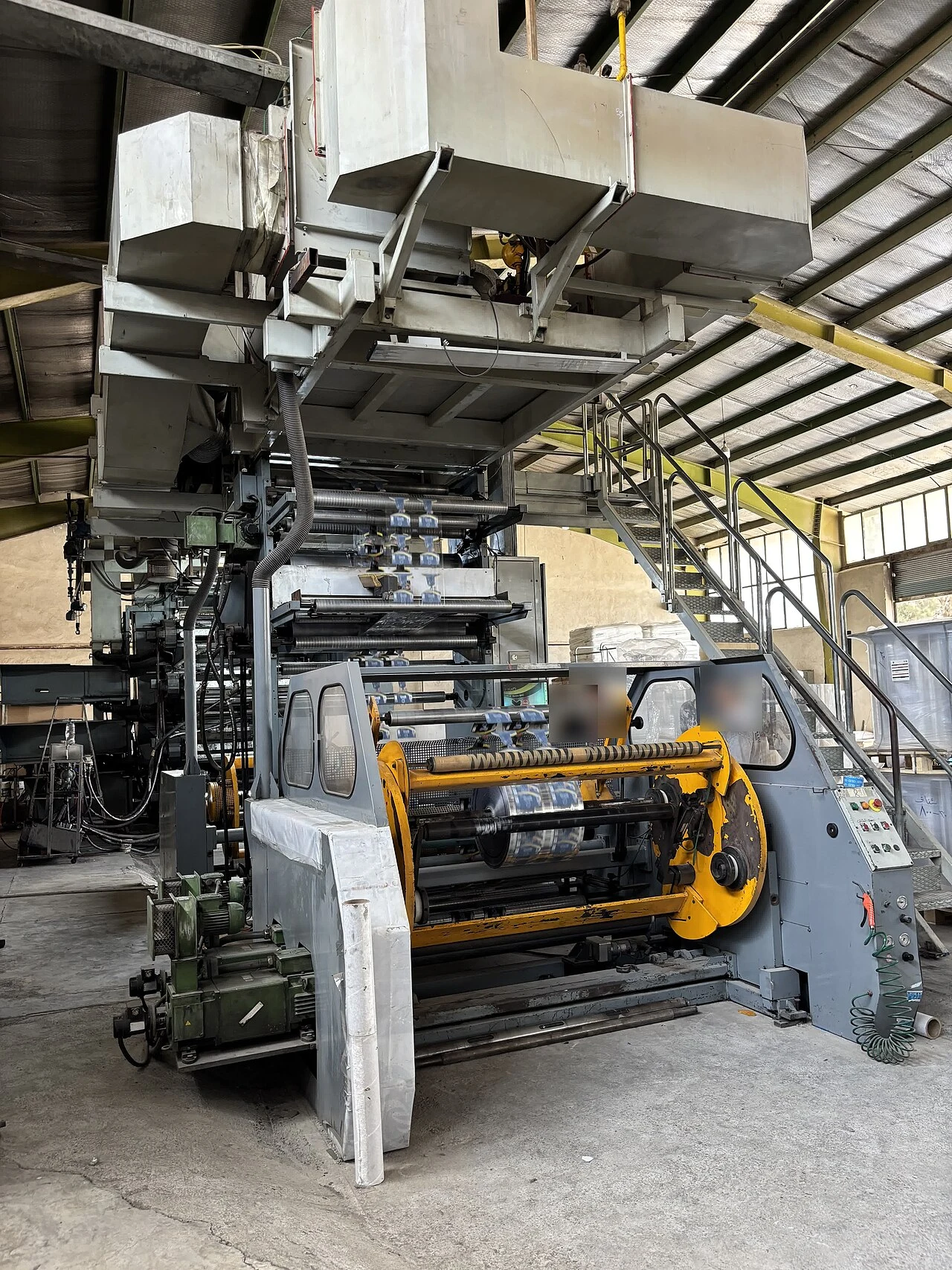
Reference photograph: Navid Selfon plant - film printing press, Tehran (2026).jpg

Food tray lidding films

A lidding-film concept developed with its matching tray. Specify the tray surface, film structure, opening requirement and actual sealing process…

Explore specification
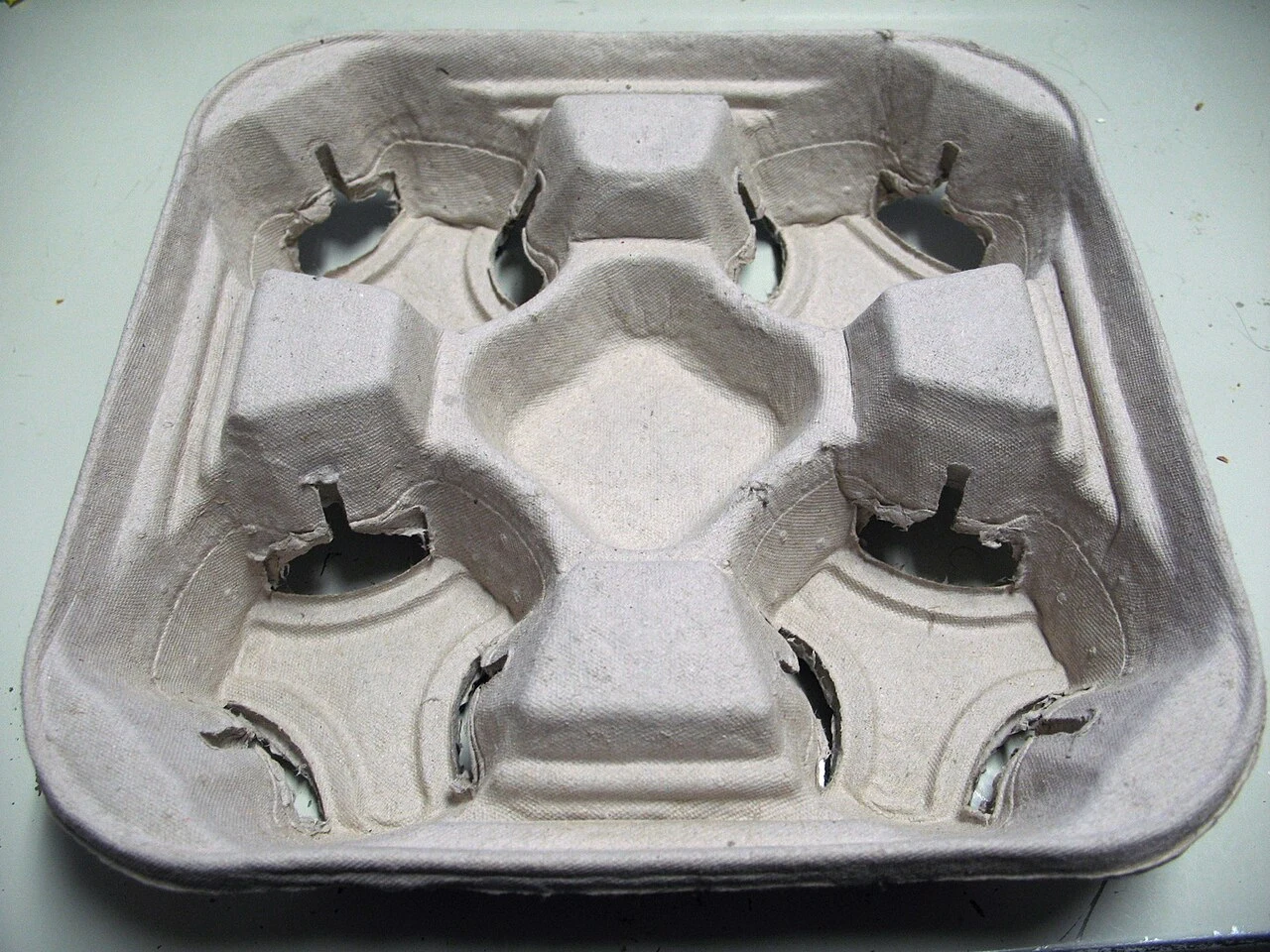
Reference photograph: McDonalds Molded Pulp Drink Tray Top.jpg

Paper cup carriers

A paper carrier concept for multiple filled cups. Develop cup pockets, grip and support around the actual cup-and-lid combination, intended arrangement…

Explore specification
Reference photograph: Kraft paper shopping bags

Takeaway carrier bags

A paper carrier bag concept for takeaway orders. Match bag dimensions, base and handle construction to the actual container assortment, gross load and…

Explore specification
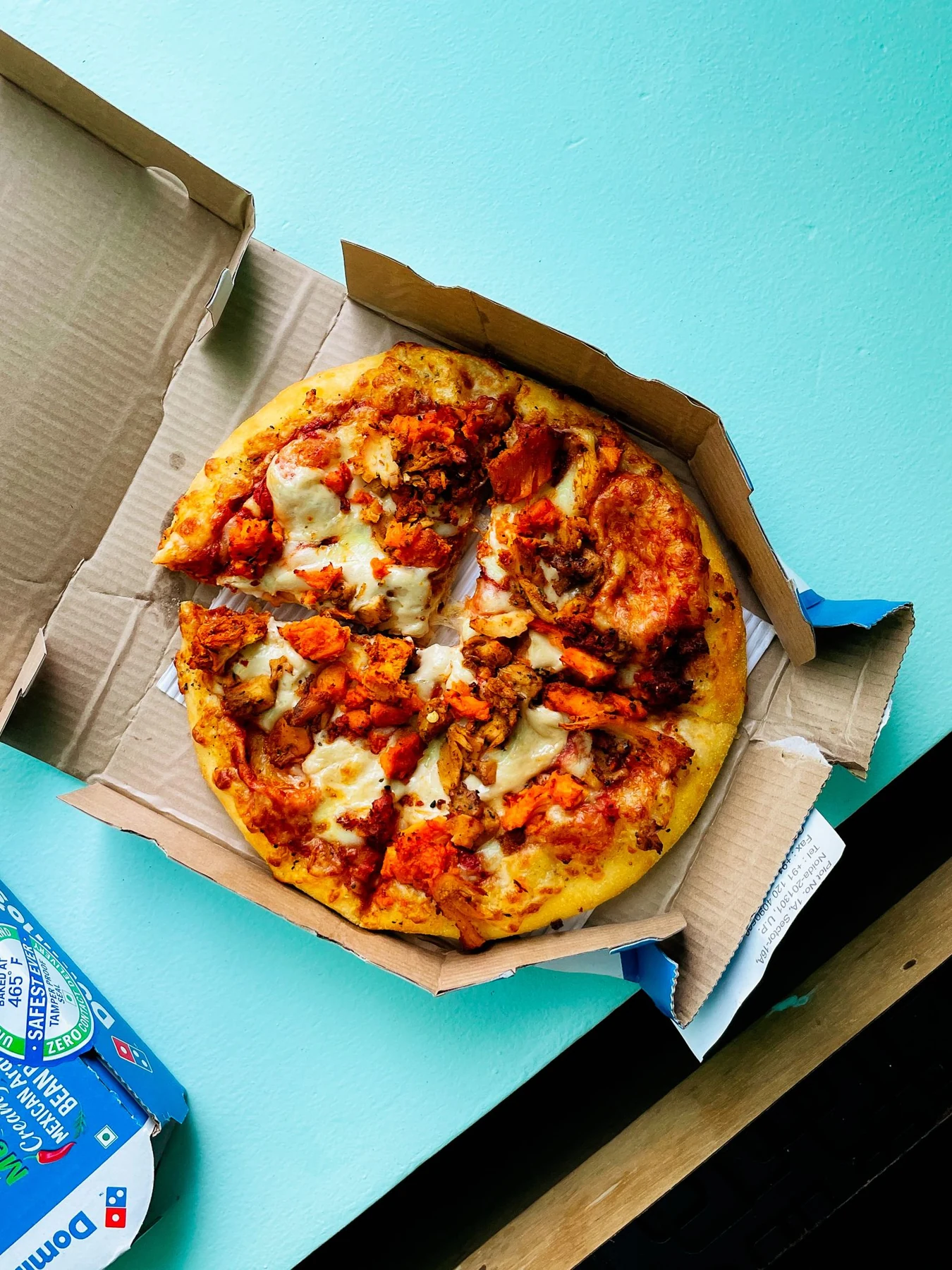
Reference photograph: Pizza in an open kraft cardboard box

Pizza boxes

A pizza-box concept developed for the actual product and delivery arrangement. Specify structure, internal space, base support and closure, then review…

Explore specification
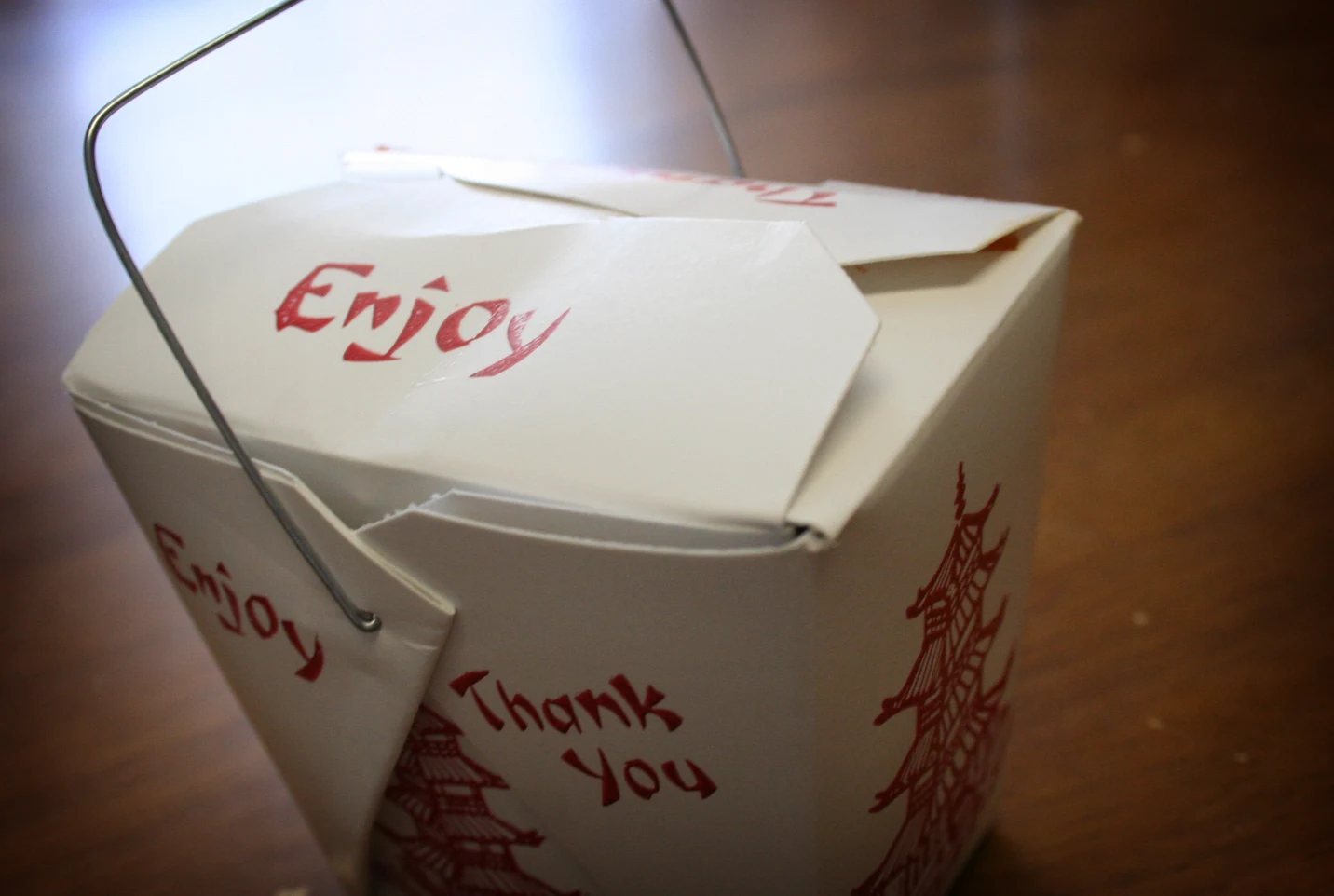
Reference photograph: Oyster pail takeout box (2558467231).jpg

Noodle boxes

A folded paper container concept for noodles and prepared dishes. Review usable fill, seams, base and top closure with the actual food, packing process…

Explore specification

Reference photograph: Three white paper cups

Portion cups

A small container concept for sauces and condiments. Develop usable portion, rim and closure with the actual recipe and filling conditions, including how…

Explore specification
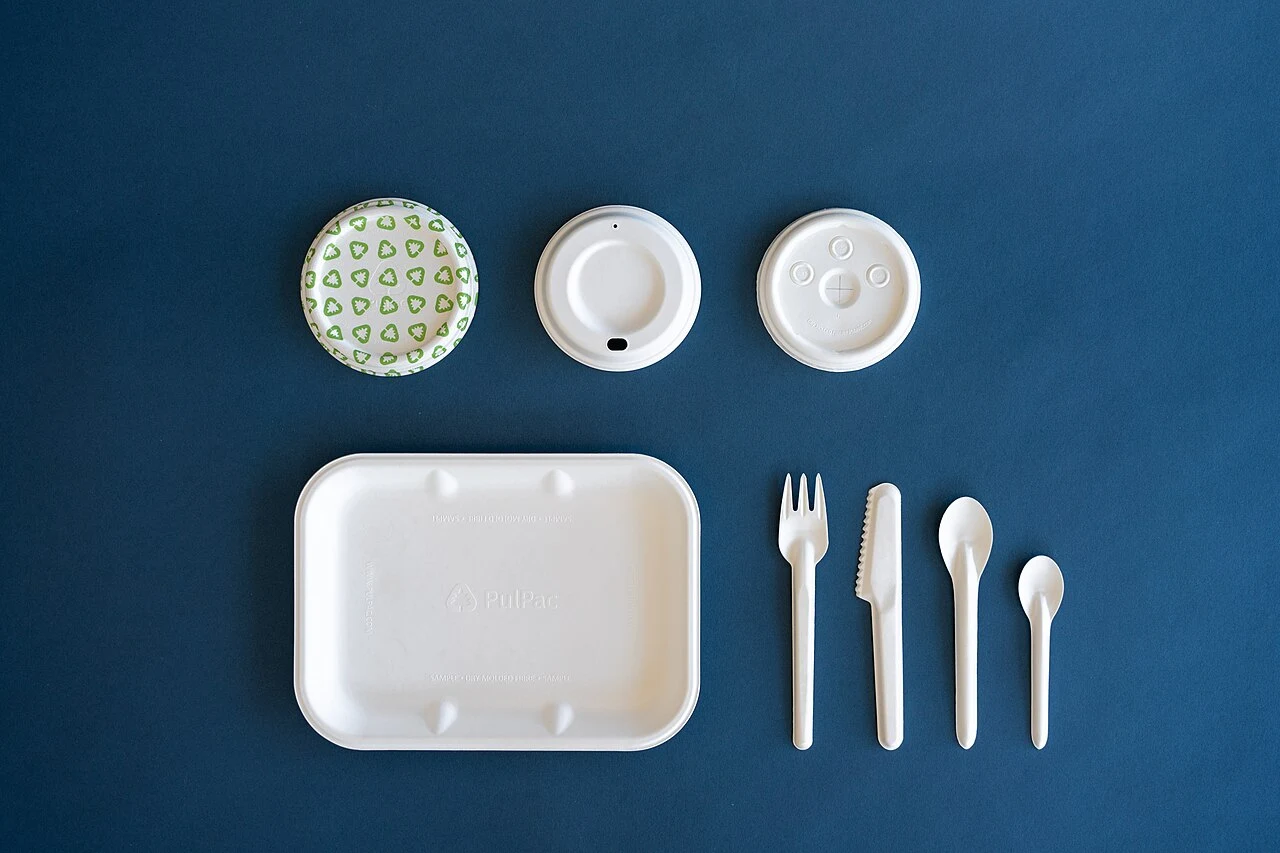
Reference photograph: Dry Molded Fiber Products from PulPac.jpg

Foodservice paper sleeves

A paper sleeve concept for presenting and handling food or its container. Define coverage, opening access, assembly and actual contact surfaces, then…

Explore specification
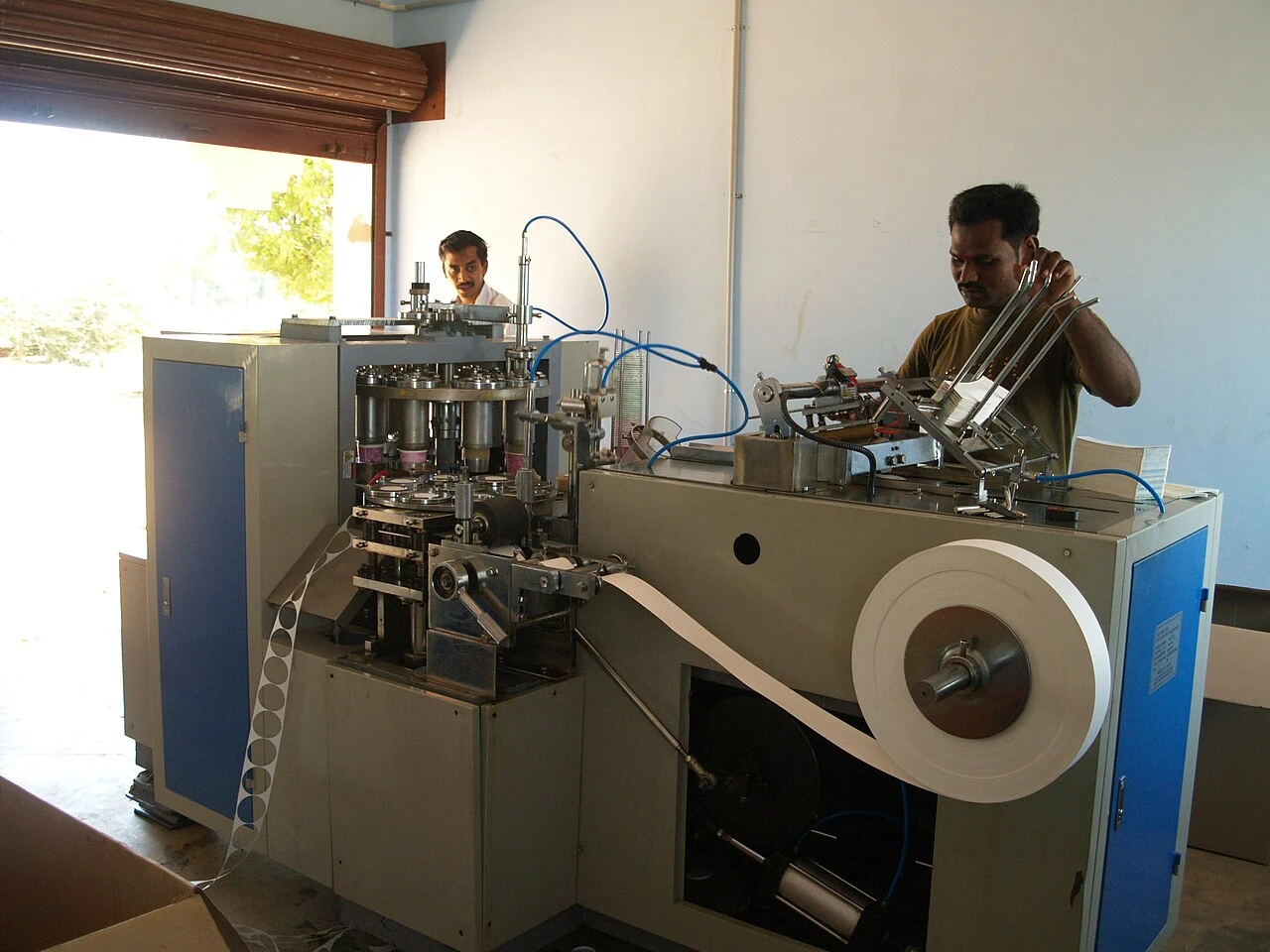
Reference photograph: Paper cup making machine.jpg

Food box forming machines

An illustrative machine category for forming food cartons. Define the blank, board, tooling and joining method around the required structure, then…

Explore specification

Map brands, menus and shared components

Identify which dishes and brand versions genuinely share a structure, and which need different inserts, sauces, lids or graphics. Similar-looking packs should not become interchangeable by accident. Give each configuration a clear item identity and keep the quantity mix visible. A common body can simplify storage while leaving separate contact and portion requirements for different foods. Record those applications and their evidence independently where needed. When a menu changes, the team should know whether it is changing only content identification or also the physical packing and delivery arrangement.

Keep a clear distinction between shared stock and approved interchangeability. A common lid or sleeve should have an identified list of the configurations in which it has been reviewed. This helps a busy station choose correctly without relying on visual similarity. If emergency supply is proposed, treat it as a named alternative with affected questions assigned, rather than quietly changing the pack while keeping the same order-assembly instruction.

Design the order-assembly sequence

Observe food transfer, portioning, sauce placement, closure, identification and grouping at the working station. Check whether operators can distinguish components without interrupting the intended sequence. A label position must remain useful after the bag is filled and closed, not only on an empty demonstration pack. If codes are used, define the data and placement responsibility and seek appropriate finished-pack verification. A successful phone scan alone does not establish every application requirement. Keep printed information and the physical configuration under coordinated revision control so an old layout does not enter a new process.

Make the courier handoff an explicit interface

Describe the completed order, outer bag or carrier, drink arrangement and intended transfer between teams. Review how the order is lifted, placed and removed in the chosen transport configuration. Single-container observations do not establish the whole grouped order. Define the closure and any initial-opening feature separately, rather than assuming one proves another. Record what the actual handoff requires and which conditions remain unknown. Representative trials should use the agreed contents and components, with observations linked to specific issues instead of broad claims that the package is delivery proof.

Coordinate materials and equipment deliberately

If forming, filling, sealing or labelling equipment belongs to the operation, identify its actual configuration and packaging inputs. A machine proposal and a material proposal need a shared interface review; neither should assume the other has already been validated. Ask suppliers to explain format requirements and the purpose of representative trials without adopting universal settings. Paper, board or film alternatives should retain traceable identity and stated contact conditions. A smaller component price can change setup, assembly or usable output, so commercial comparison should preserve the whole operating scope.

Retain a baseline that can scale across sites

Use controlled drawings, artwork, component matches and packing instructions for each approved application. Confirm what suppliers deliver assembled and what the kitchen completes. Keep sample-only differences, unresolved actions and approved alternatives distinct. Before a repeat or site transfer, check whether the menu, equipment, delivery arrangement and storage form remain as reviewed. A common item name does not prove identical conditions. The result is a clearer handover between procurement, kitchens and delivery teams, with enough context to assess changes instead of relying on a photograph of the original pack.

Define your project.

  1. Brand, menu and component matrix
  2. Assembly and identification sequence
  3. Completed-order courier handoff
  4. Equipment and material interface record
  5. Site-specific approvals and change owners

Knowledge for the next decision