Packaging sourcingFood and takeaway packaging: build an application-led specification
Define the actual foodservice application, material and process. Use a complete specification, representative trials and traceable evidence before…
Read guideCATERING & EVENTS
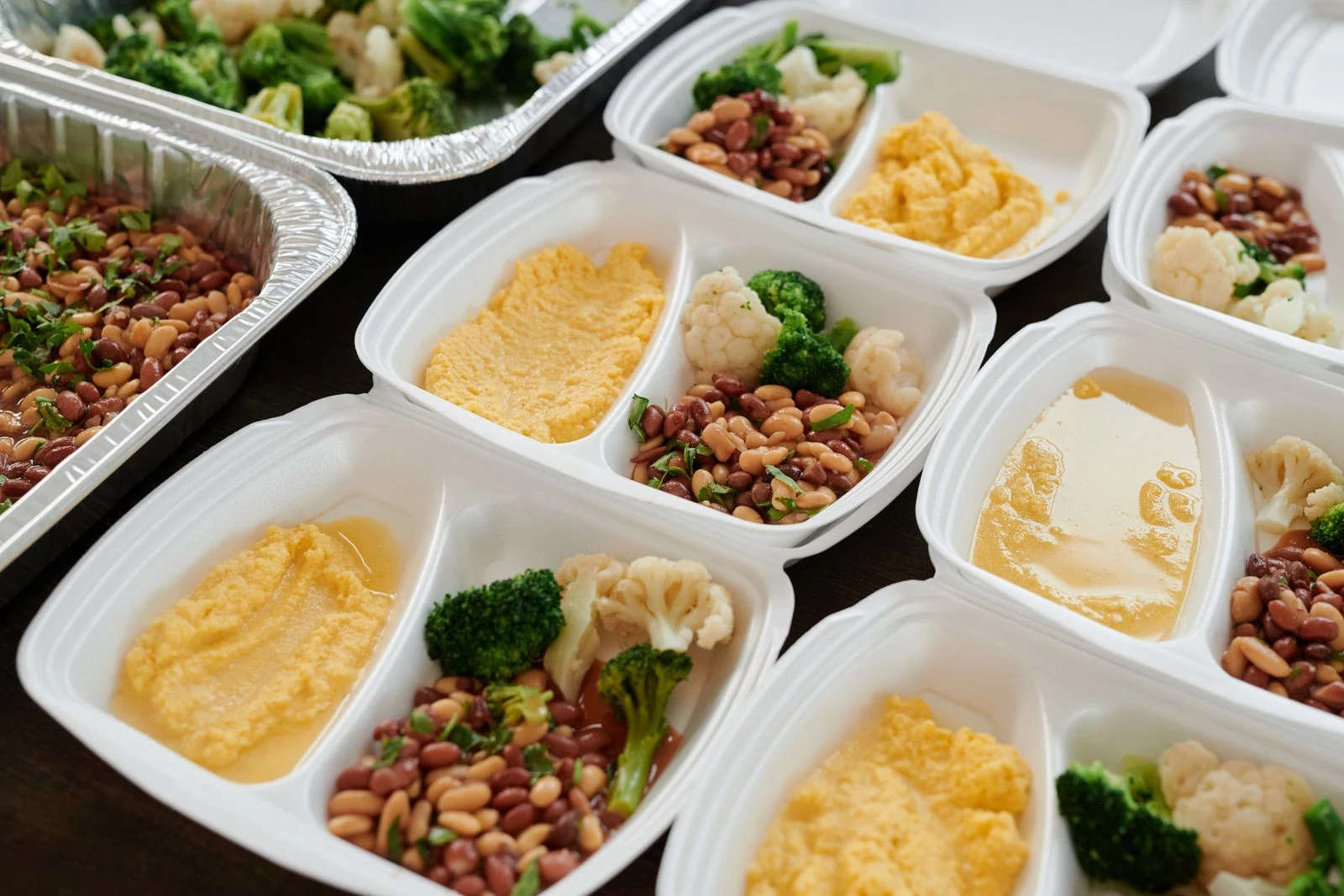
Specify the pack around preparation, dispatch, venue handling and the guest’s meal. A seated event, standing reception and collected lunch create different demands. Start with the actual service plan, then coordinate portions, containers, drinks, accessories and outer packing as one understandable supply brief.

An illustrative molded-fiber container format. Define the fiber construction, surface treatment, lid geometry and filled handling requirements for the…
Explore specification
An open paper tray concept for food presentation and service. Develop sidewall shape, base support and inner surface around the actual portion, handling…
Explore specification
An illustrative paper plate for meal service. Specify plate geometry, formed rim and surface construction against the intended foods, portion and service…
Explore specification
A compartmented tray concept for separated meal portions. Review cavity geometry, divider height and closure interaction with the actual meal and serving…
Explore specification
A wrapping-paper concept for foods involving oil or grease contact. Define the required resistance using the actual food, duration and handling…
Explore specification
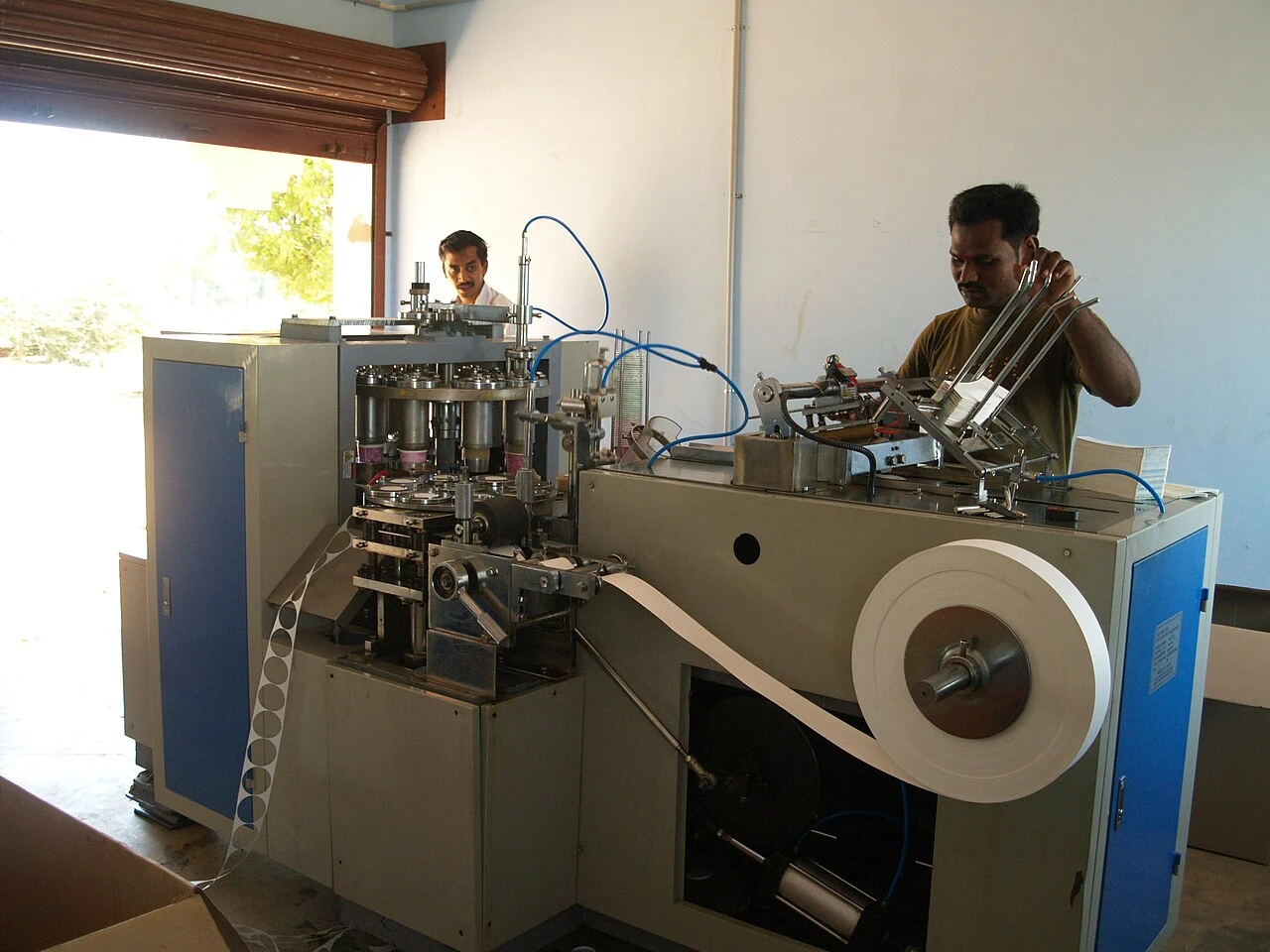
A paper cup concept for hot-drink service. Develop cup construction, inner treatment and lid fit against the actual beverage and service conditions,…
Explore specification
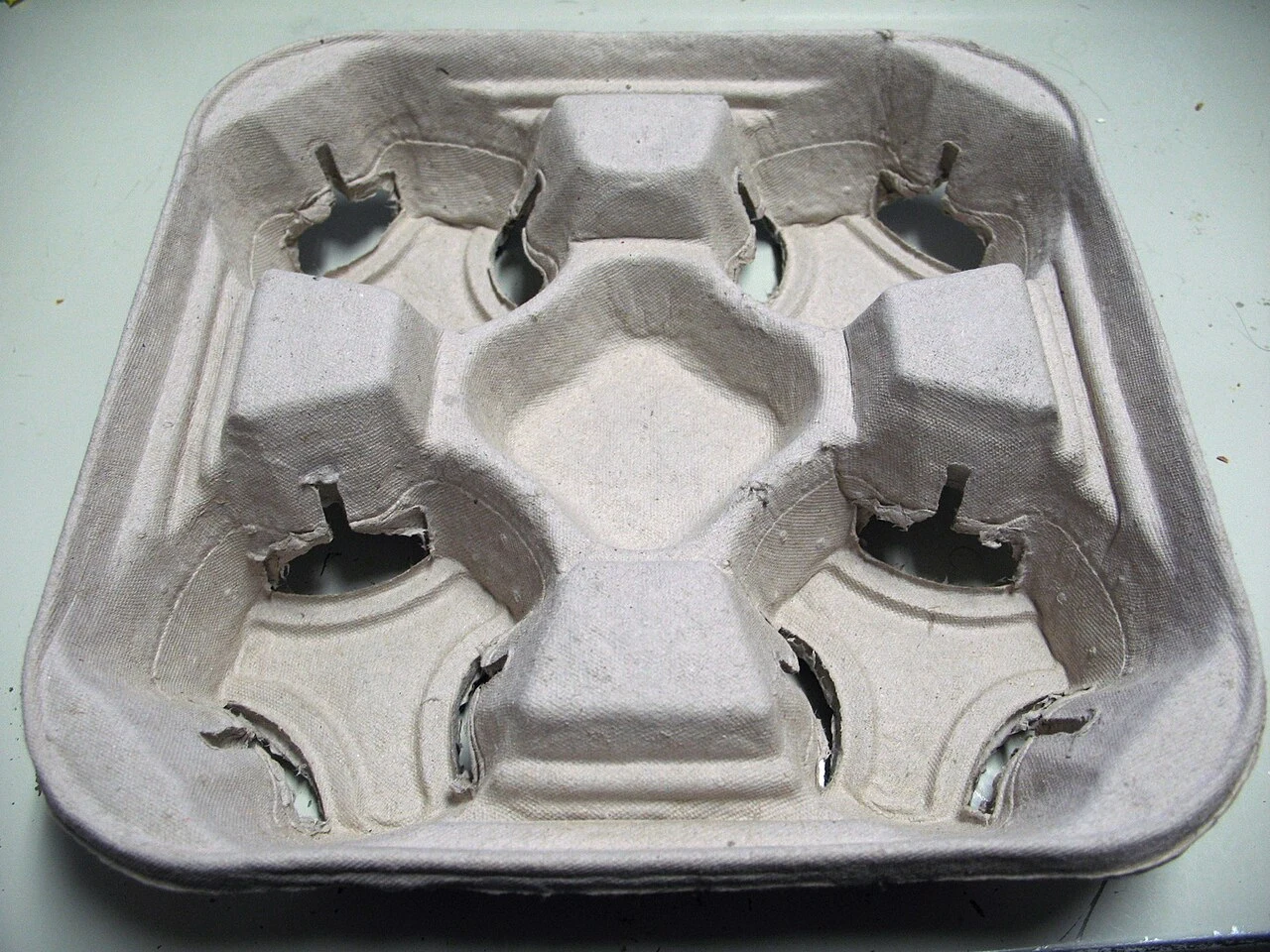
A paper carrier concept for multiple filled cups. Develop cup pockets, grip and support around the actual cup-and-lid combination, intended arrangement…
Explore specification
A paper carrier bag concept for takeaway orders. Match bag dimensions, base and handle construction to the actual container assortment, gross load and…
Explore specification
A small container concept for sauces and condiments. Develop usable portion, rim and closure with the actual recipe and filling conditions, including how…
Explore specificationNo matching products. Try a different material or search term.
Record the menu, portion arrangement, service location and the way guests receive food. Distinguish plated service, staffed collection, self-selection and individual takeaway where relevant. Note what the venue provides and what the caterer must bring. These boundaries influence the need for plates, lidded containers, wrapping, portion cups or carriers. Do not select the whole range from an attractive table setting alone. The useful starting point is an account of who handles each item, when it is opened and where it is consumed.
Show the actual assembly sequence and the order in which food, sauces and accessories are packed. Identify menu versions clearly, with quantity splits that can be revised through a controlled record. Similar-looking packs should remain distinguishable at dispatch and service. A shared container may simplify purchasing, but different dishes can still need separate contact, closure or portion review. Keep confirmed requirements distinct from provisional event numbers. A quotation should state its quantity basis rather than make an uncertain attendance assumption appear to be a committed order.
Describe the complete configuration from kitchen collection to the serving point, including outer cartons, carriers and handling between teams. Review filled containers and their closures in the actual arrangement. The venue may have limited space for opening bundles or separating components, so assess how staff will access and replenish supplies. A tightly packed shipment is not automatically a convenient service unit. Record the packed dimensions and mass when needed for logistics planning, and retain the source and status of those inputs instead of treating early estimates as fixed facts.
Define the unpacking order as well as the transport order. Staff may need one menu version before another, or a separate batch for a later serving point. Identify those groups on the packing record and ask the venue team to review access. If a delivery is split, preserve the component ratios needed to make usable sets. Correct total quantities are insufficient when a serving point receives plates without the matching lids, cups or other agreed components.
Evaluate plates and trays with representative food and the intended holding or carrying action. Consider separate sauces, utensil placement, opening and access without assigning an untested capacity from grammage. Where guests eat while standing, review that specific sequence rather than relying on a seated demonstration. Define the collection and waste-handling arrangement with the event team. Recovery or environmental wording needs a clear component basis and relevant context; a natural-looking plate is not evidence that every part of the order shares the same characteristic.
List the chosen materials, surfaces, component matches, artwork and packing units. Ask suppliers to explain alternatives, sample scope and any development or tooling work separately from routine supply. If a menu, venue arrangement or delivery form changes, identify the affected references and decide which observations need renewal. Retain a practical approved example and assign unresolved actions. The objective is a clear, usable event specification: purchasing knows the scope, the kitchen knows the assembly and venue staff know what will arrive and how it will be used.
Packaging sourcingDefine the actual foodservice application, material and process. Use a complete specification, representative trials and traceable evidence before…
Read guide
Quality planningAn inspection plan translates requirements into observable checks. Identify the characteristic, method, sample selection, acceptance rule and record for…
Read guide
Packaging sourcingAn RFQ is a structured request for a comparable quotation. Give each component a line item: primary container, closure, label, insert and outer carton.…
Read guide