FOODSERVICE · PACKING · DELIVERY

Disposable Packaging

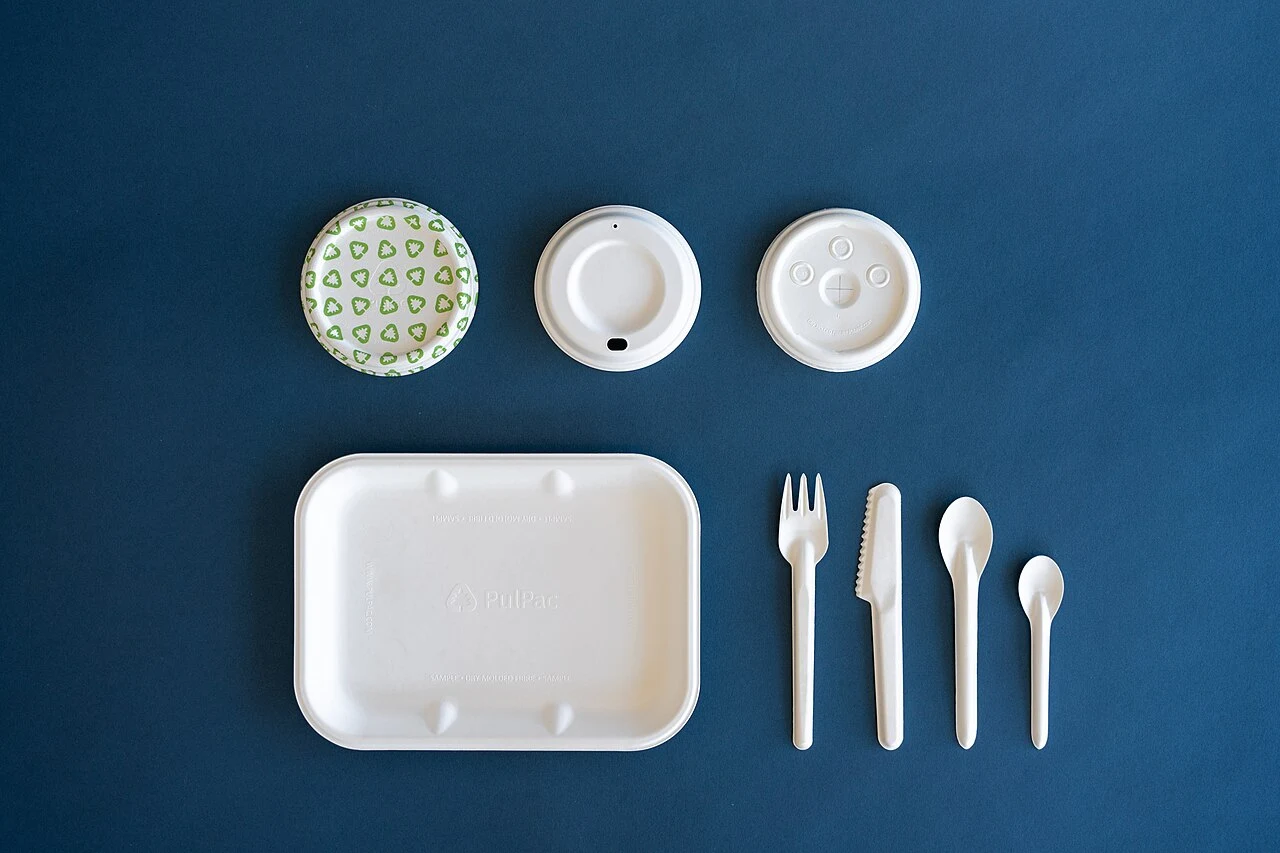
Choose a single-use format around the food, the service and the journey. Bring containers, lids, wraps and carrying components into one clear specification, with representative samples and evidence for the actual application.

Disposable Packaging · Reference photograph · final product configuration confirmed per project

Relevant product types

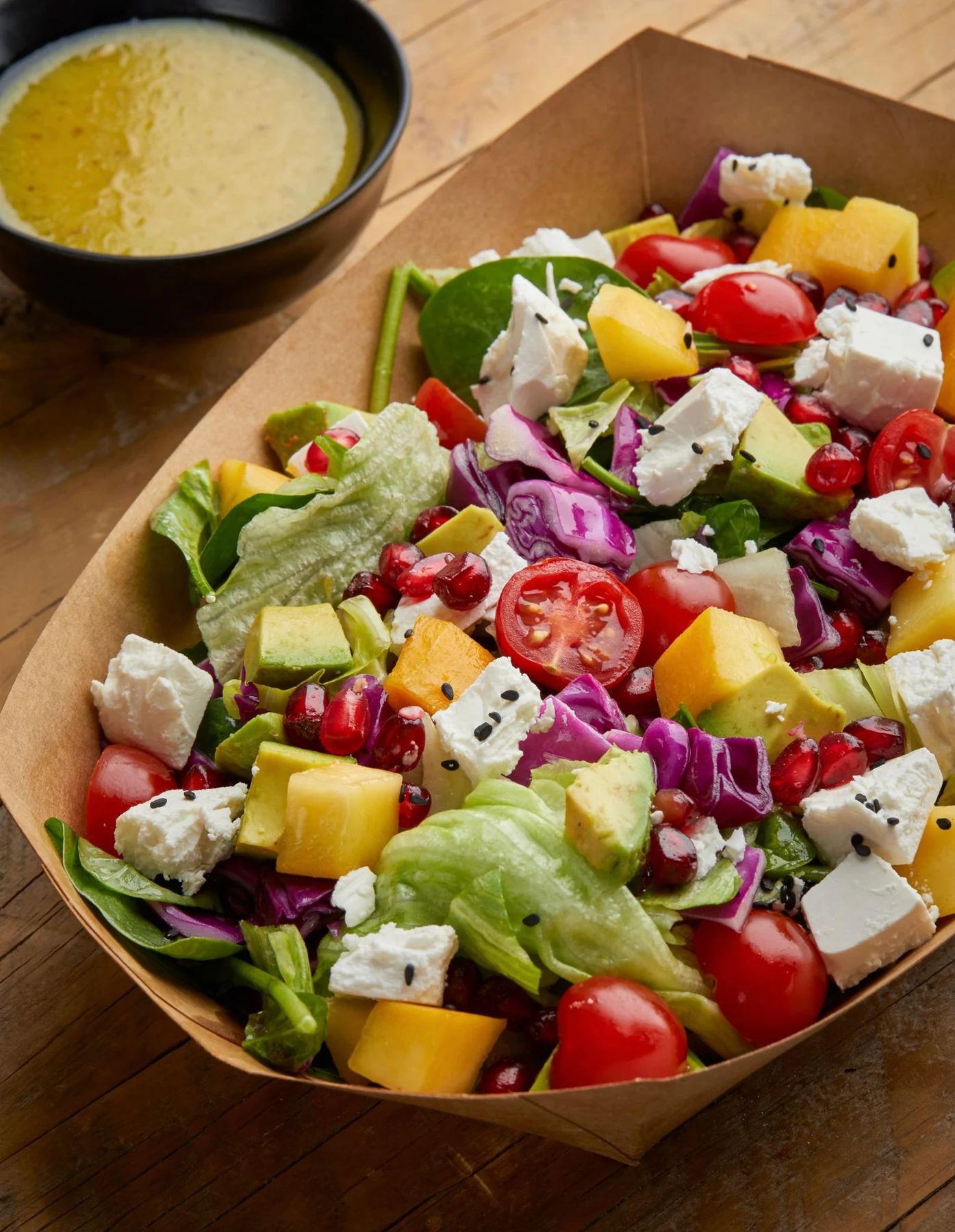
Reference photograph: Fresh salad in a kraft paper bowl

Paper salad bowls

An illustrative bowl format for salads and prepared meals. Develop the bowl, lid and inner surface together around the actual ingredients, portion,…

Explore specification
Reference photograph: Fresh salad in a kraft paper bowl

Paper soup bowls

A paper bowl concept for soup service. Specify the filled system, closure and inner treatment against the actual recipe, filling conditions, service…

Explore specification
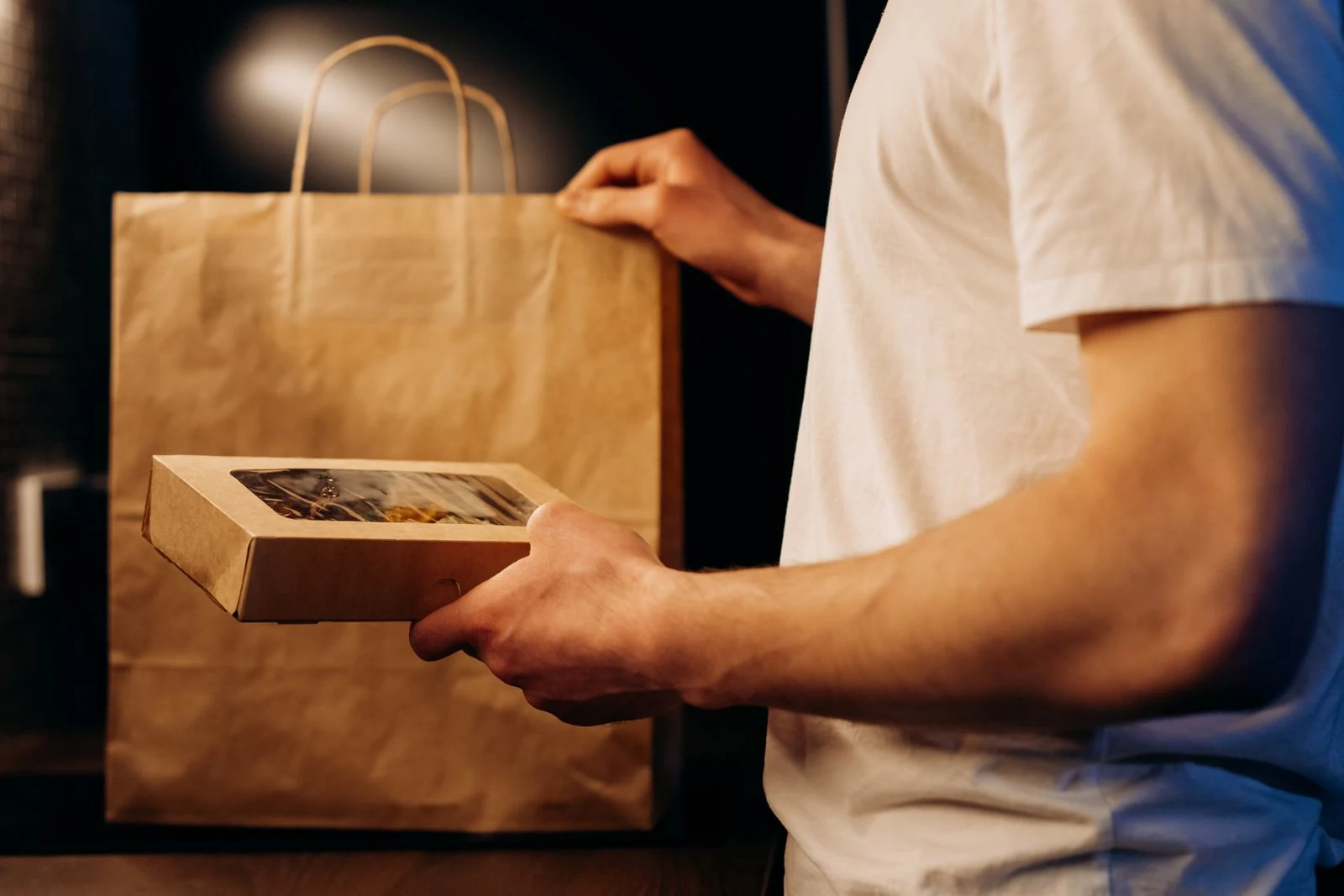
Reference photograph: Food packed in a kraft takeaway box and carrier bag

Rectangular paper food containers

A rectangular container concept for portioned meals. Review usable space, corner construction, closure and inner surface with the actual food and packing…

Explore specification
Reference photograph: Food packed in a kraft takeaway box and carrier bag

Paper food trays

An open paper tray concept for food presentation and service. Develop sidewall shape, base support and inner surface around the actual portion, handling…

Explore specification
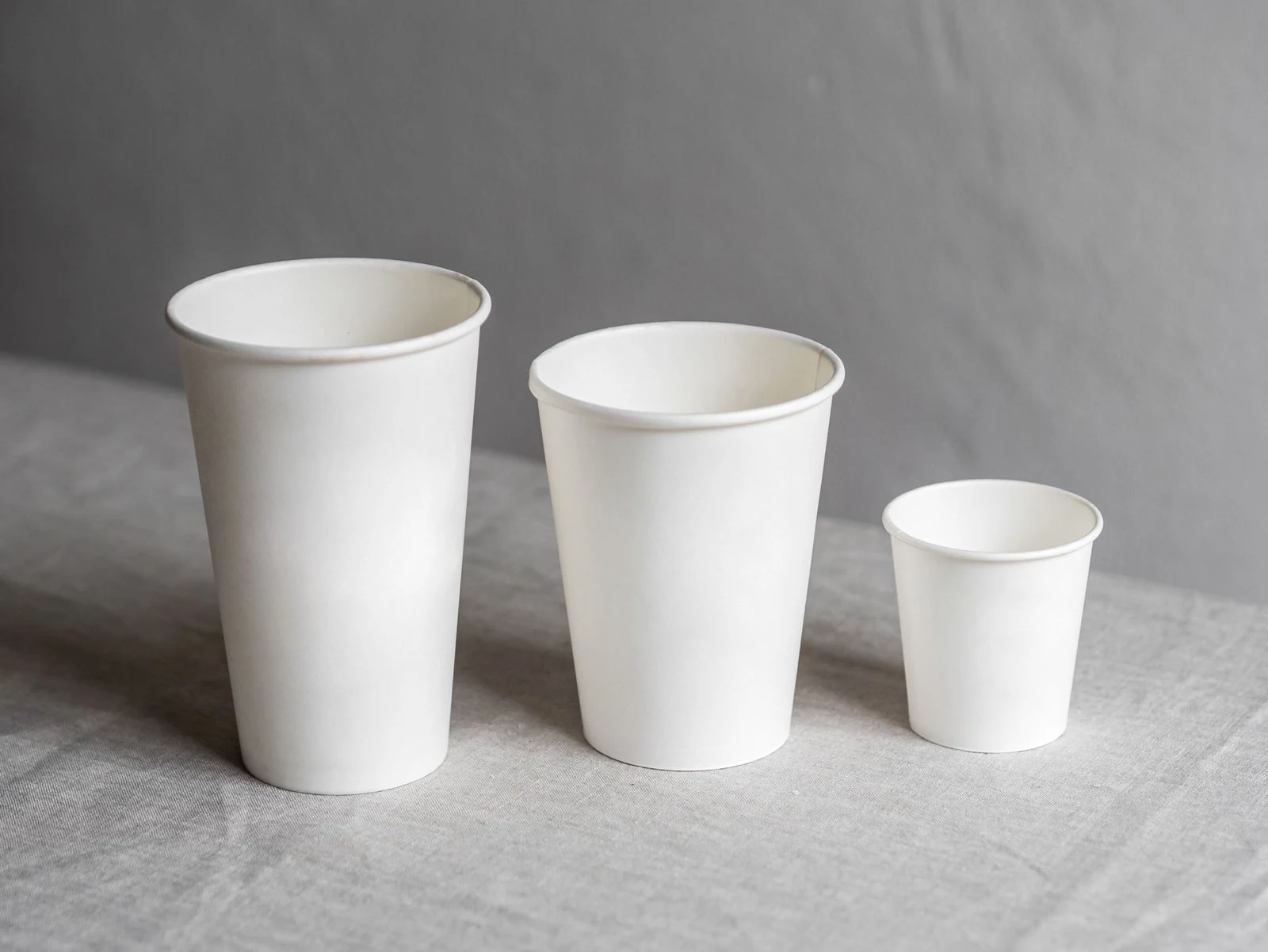
Reference photograph: Three white paper cups

Paper hot-drink cups

A paper cup concept for hot-drink service. Develop cup construction, inner treatment and lid fit against the actual beverage and service conditions,…

Explore specification

Reference photograph: Kraft paper shopping bags

Takeaway carrier bags

A paper carrier bag concept for takeaway orders. Match bag dimensions, base and handle construction to the actual container assortment, gross load and…

Explore specification
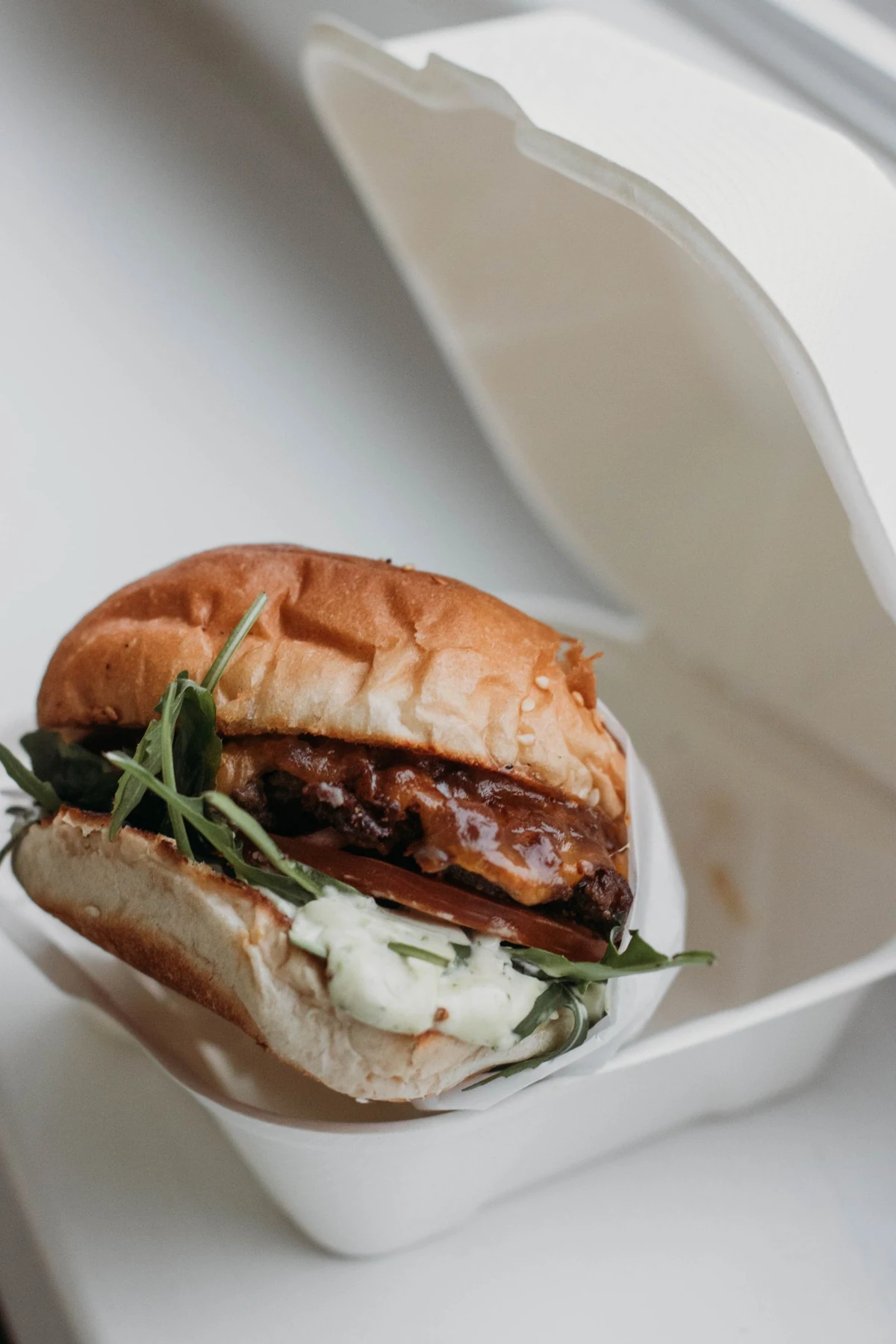
Reference photograph: Burger in an open takeaway clamshell

Burger clamshell boxes

A hinged carton concept for burger service. Review product clearance, hinge, closure and inner surface with the actual assembled burger and service…

Explore specification
Reference photograph: Three white paper cups

Portion cups

A small container concept for sauces and condiments. Develop usable portion, rim and closure with the actual recipe and filling conditions, including how…

Explore specification

Start with the meal and the service sequence

Describe what is packed, how it is filled and how the customer receives it. A salad bowl, soup bowl, burger box and portion cup solve different tasks, even when they belong to the same order. Record portion geometry, ingredients, filling conditions, expected contact duration and the handling route. Distinguish essential functions from preferences such as colour or decorative texture. Then map the sequence from filling and closing to stacking, carrying and opening. This gives suppliers a practical brief and helps the buyer identify where one component must fit another. A familiar product name or nominal capacity should begin the discussion, rather than settle suitability.

Develop the complete container and closure

Review the bowl, cup or tray with its actual lid or sealing arrangement. Rim geometry, available headspace, access and filled shape matter together. Similar-looking components should not be treated as interchangeable without relevant review. Ask whether samples use the intended materials and manufacturing route, and record any temporary substitutions. For a takeaway order, include carriers, bags and outer packing where they affect the arrangement. A cup that fits a carrier when empty may present another handling question when filled. Use representative contents and the intended packing sequence so the approved configuration describes what staff will actually assemble and customers will actually receive.

Define material surfaces and application evidence

Identify the material construction and the role of each relevant surface. Paperboard may include treatments or coatings; a window, adhesive, label or closure can add separate components. The review should follow the actual food-contact arrangement and intended conditions, with qualified technical support deciding the necessary evidence. A general brochure, material-family name or attractive natural appearance is not a substitute for that work. Keep specifications, declarations and relevant results connected to the exact grade and configuration. If a coating or component changes later, revisit affected evidence. Approving a shape, colour or convenient demonstration sample does not independently close every application question.

Make samples and inspection useful to operations

Give every sample a purpose: structural fit, printed appearance, filling trial or production reference. Review attributes separately and record open actions with owners. Staff who fill, close and pack the order should examine relevant interfaces, including access, nesting, orientation and component identification. Agree how important visual, dimensional and functional characteristics will be checked in production. Sampling provides evidence about an identified lot; it does not guarantee every unit. When a defect recurs, investigate material, process, assembly and handling contributions rather than relying only on more final inspection. Preserve the approved drawing, artwork and reference so repeat orders have an understandable basis.

Compare the delivered solution and its stated end-of-use context

Align quotations by specification, quantity unit, component count, protective packing and delivery boundary. A low price for an open container is not directly comparable with a complete lidded and packed set. Make trial work, tooling and documentation obligations visible. Consider storage and obsolete-stock exposure when deciding quantities across artworks or formats. Keep disposal-related communication specific: single-use describes the intended use pattern, not recyclability or compostability. Review any separate environmental statement for the actual construction and destination context. The result should be a defined purchased configuration, an executable packing arrangement and clear evidence responsibilities, rather than a broad promise attached to a generic product category.

Define your project.

  1. Identify food, portion and actual contact conditions.
  2. Match container, closure and carrying components.
  3. Review representative filled and assembled samples.
  4. Define evidence, inspection and change responsibilities.
  5. Compare the complete delivered set and quantity basis.

Knowledge for the next decision