Map the product’s state through the process
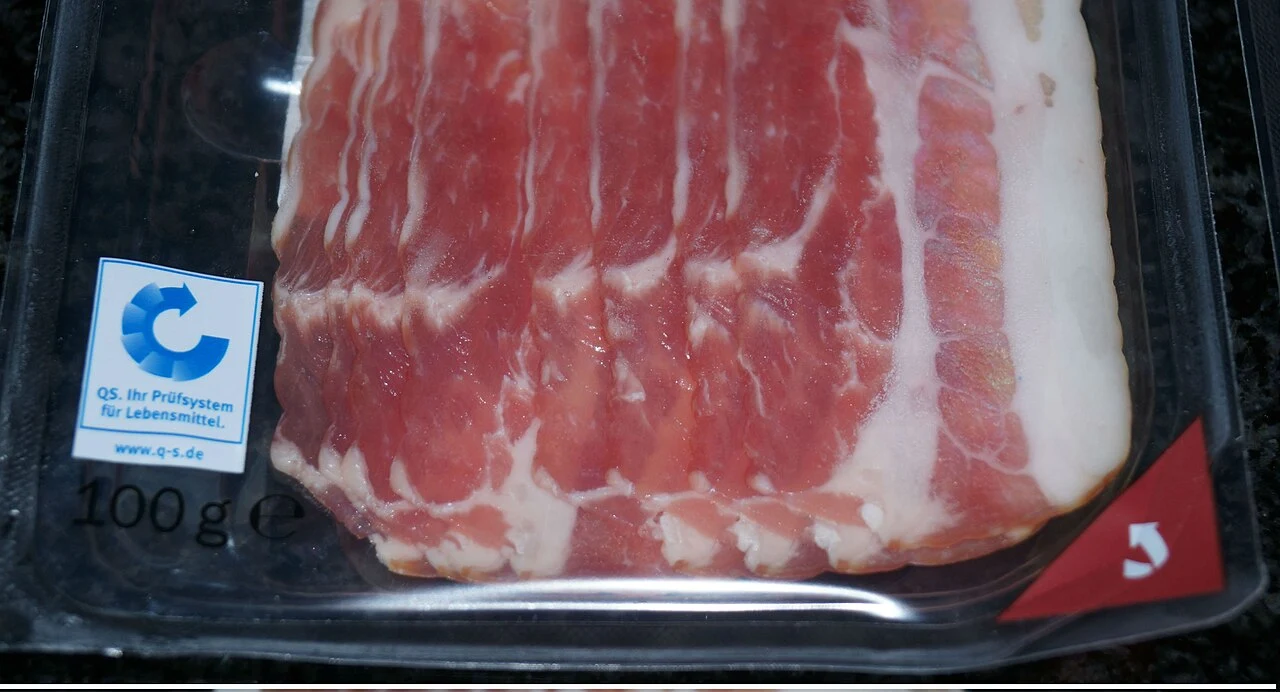
Establish whether the product enters the pack before or after the relevant freezing operation, and identify the actual filling, storage, movement and customer-use sequence. The responsible product team should define the conditions that matter; do not copy generic temperature or duration values into the brief. Record the product’s shape, portion and surface condition as packed. Loose pieces and a regular block can create different capacity and contact questions. A pack selected for one configuration should not automatically be approved for another. This process map gives material suppliers and converters a common application instead of an undefined request for freezer packaging.
Choose structure and seals as a configuration
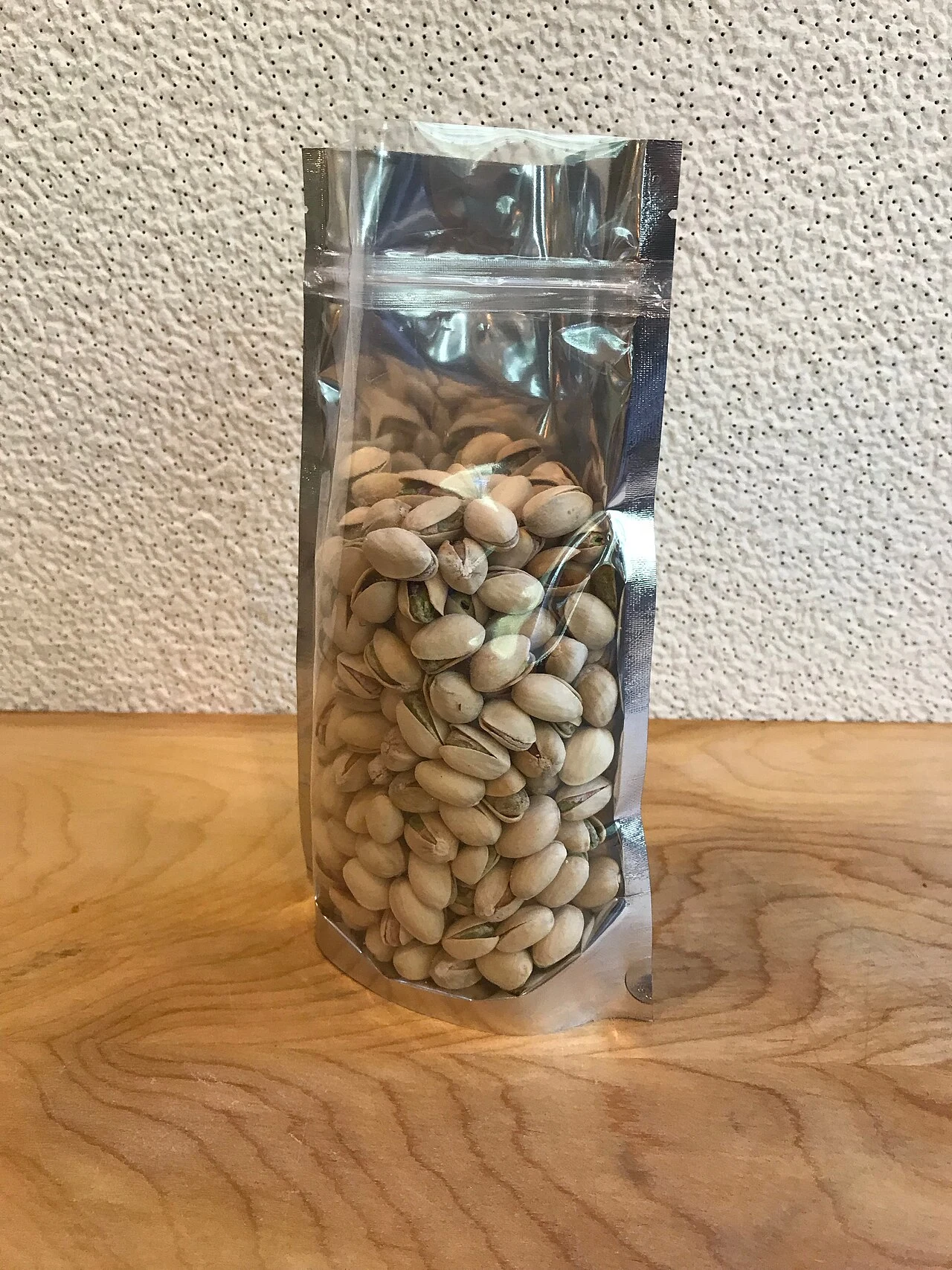
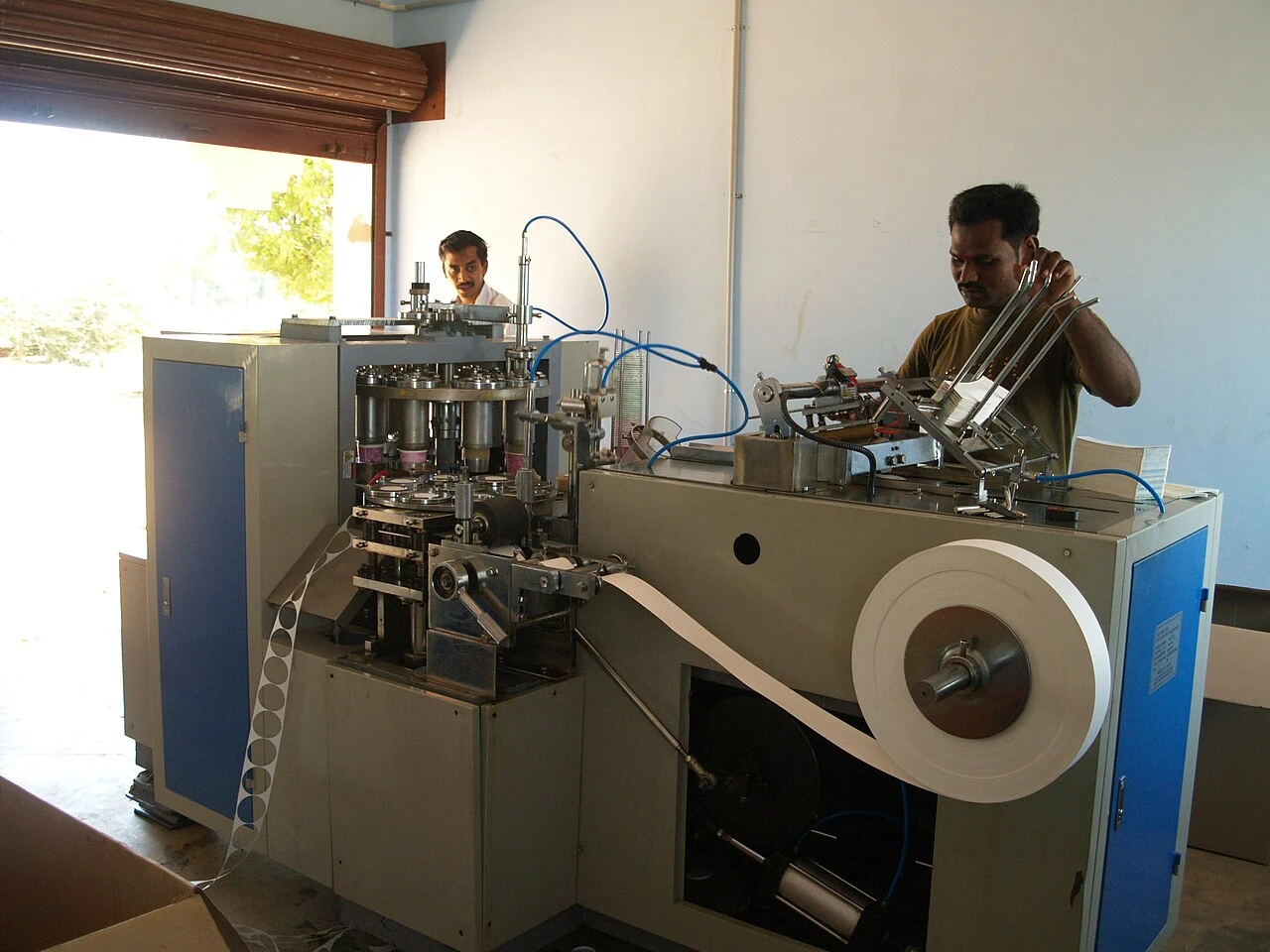
Identify the complete pouch or film structure, product-facing side and seal arrangement. Review the actual packing equipment, product near the sealing area and any zipper or other component. Barrier information should retain its sample identity and test conditions; film data do not alone prove the finished pack’s performance. Qualified staff should determine appropriate sealing trials and product-specific evaluation. A candidate that runs on the line may still have other questions open. Keep product-life and closure conclusions within the scope of their actual supporting evidence. Its role is to help connect protection requirements, machine evidence and the actual sealed package without treating them as interchangeable conclusions.
Include condensation in the appearance and handling brief
Describe where moisture may occur along the intended route, including relevant transitions and the condition in which the pack is handled or displayed. Ask the technical team how those situations should be represented in evaluation. Review labels, print, outer surfaces and the relationship between primary packaging and cartons. Do not assume that a glossy finish, a coating name or a photograph proves resistance under every condition. Keep appearance findings separate from product protection conclusions. Representative samples and clearly stated observations help identify what needs adjustment without inventing universal environmental settings or claiming one construction solves every moisture-related question.
Assess the packed product through its real route
Use the actual contents, fill quantity, closure and outer pack for relevant handling assessment. Irregular pieces, movement within the pack, contact with neighbouring packs and stacking can create different concerns. Agree the important damage criteria and obtain qualified support for appropriate transport evaluation where needed. A flat-film result or an attractive filled pouch does not establish the complete shipping configuration. Record the tested arrangement and any limits. If the outer carton, product form or packing density changes, decide whether previous evidence still addresses the revised route instead of automatically extending a past result.
Keep repeats and substitutions traceable
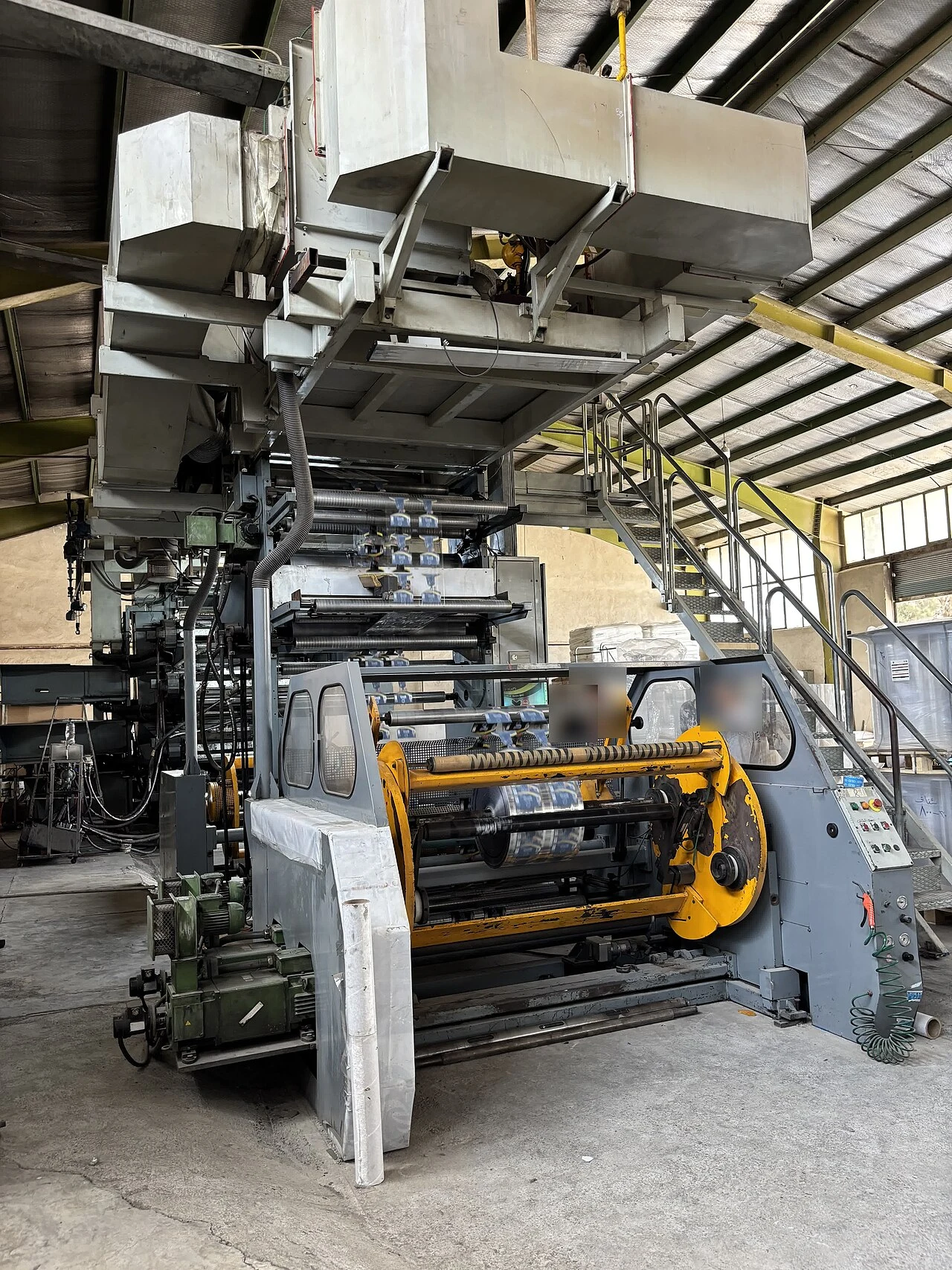
Request quotations against the same material revision, drawing, artwork, quantity and delivery boundary. Identify rolls, pouches and cartons so physical deliveries connect to approved records. Ask for relevant storage and handling information for the actual supplied material. A different sealant, coating, print finish or pack format can require a targeted review even if the commercial name stays unchanged. Preserve the decision, trial findings and open restrictions. Clear sourcing references make a frozen range easier to manage while leaving product-life conclusions with the qualified assessment appropriate to the actual food, process and distribution conditions.
 Flexible packaging

 Quality planning