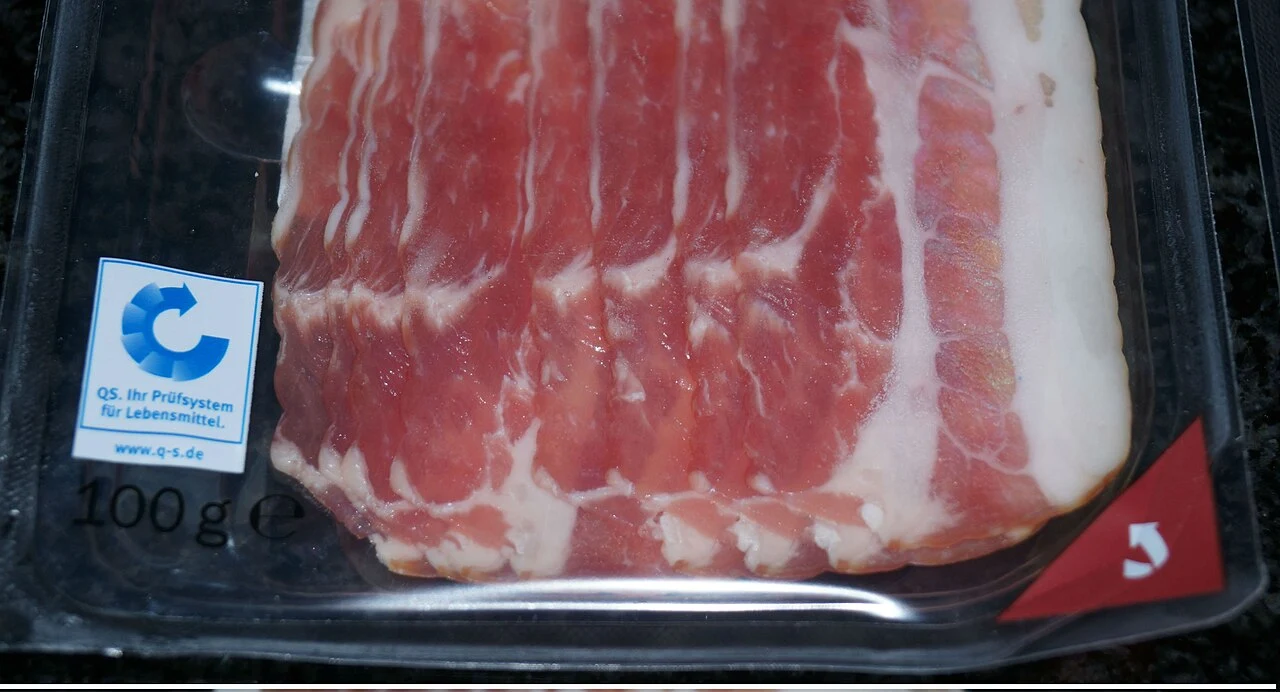
Identify the product and the packing state
Describe the actual species or product type, preparation, portion, shape and condition at packing. Separate whole products, pieces and prepared dishes where they create different requirements. If shells, bones or projecting features are present, include their contact with the proposed pack in the review. Record liquids or accompanying ingredients rather than treat them as an incidental detail. The responsible product team should define the actual handling, storage and distribution conditions. Keep the relevant product references and condition information in a clear application brief, so suppliers can evaluate the intended task without assuming all seafood products behave the same.
Define liquid and odour requirements precisely
State what the pack is expected to contain and which product or external transfer questions matter. Liquid containment, odour-related requirements and the product’s protection needs should not be merged into a vague high-barrier request. Ask qualified technical staff to identify relevant evidence and evaluation for the actual food, contact and route. Film data require an identified structure and test conditions and do not alone establish finished-pack performance. An upright sample observation is not a universal leak claim. Clear questions let suppliers explain their proposed structure without turning a material family or an impressive number into an unsupported application guarantee.
Review closure on the actual packing operation
Identify the container or pouch, corresponding lid or film, sealing surface and equipment. Ask the line team how product and liquid are managed near the closing region. Samples should represent the intended material and component arrangement; hand-closed development packs can support some questions while leaving production closure open. Qualified staff should choose appropriate trial conditions rather than copy universal settings. Record the observed location and sequence if a concern appears, preserving relevant samples. Investigate the complete interface before assuming that a thicker film, another lid or extra tightening necessarily addresses the cause.
Evaluate the temperature route and outer-pack interfaces
Map the actual sequence from packing through storage, transport, display and intended use. Identify relevant transitions, moisture on surfaces and the state in which staff handle labels and outer packaging. Let the responsible technical team define how those conditions should be represented. Review product movement, neighbouring packs, stacking and the complete outer configuration where relevant. A carton or tray chosen on dimensions alone may leave other questions unresolved. Record what was assessed and its limits. Packaging appearance does not establish temperature performance or product life, and a successful result for one route should not automatically approve another.
Keep the product-specific evidence with the order
Request material and component identities, drawings, application-related supporting documents and quotations against the same scope. The listed product families are starting points for discussion, with actual suitability determined through the specific review. Keep print and label references linked to the final configuration, especially if surfaces or handling conditions change. Retain trial records, accepted attributes, restrictions and substitution authority. A different product preparation, portion, film, closure or distribution route can trigger targeted reassessment. Clear records support repeat sourcing and give the responsible reviewers a defined basis for product-specific technical decisions. Link any performance or product-life wording to the assessment that actually supports it.
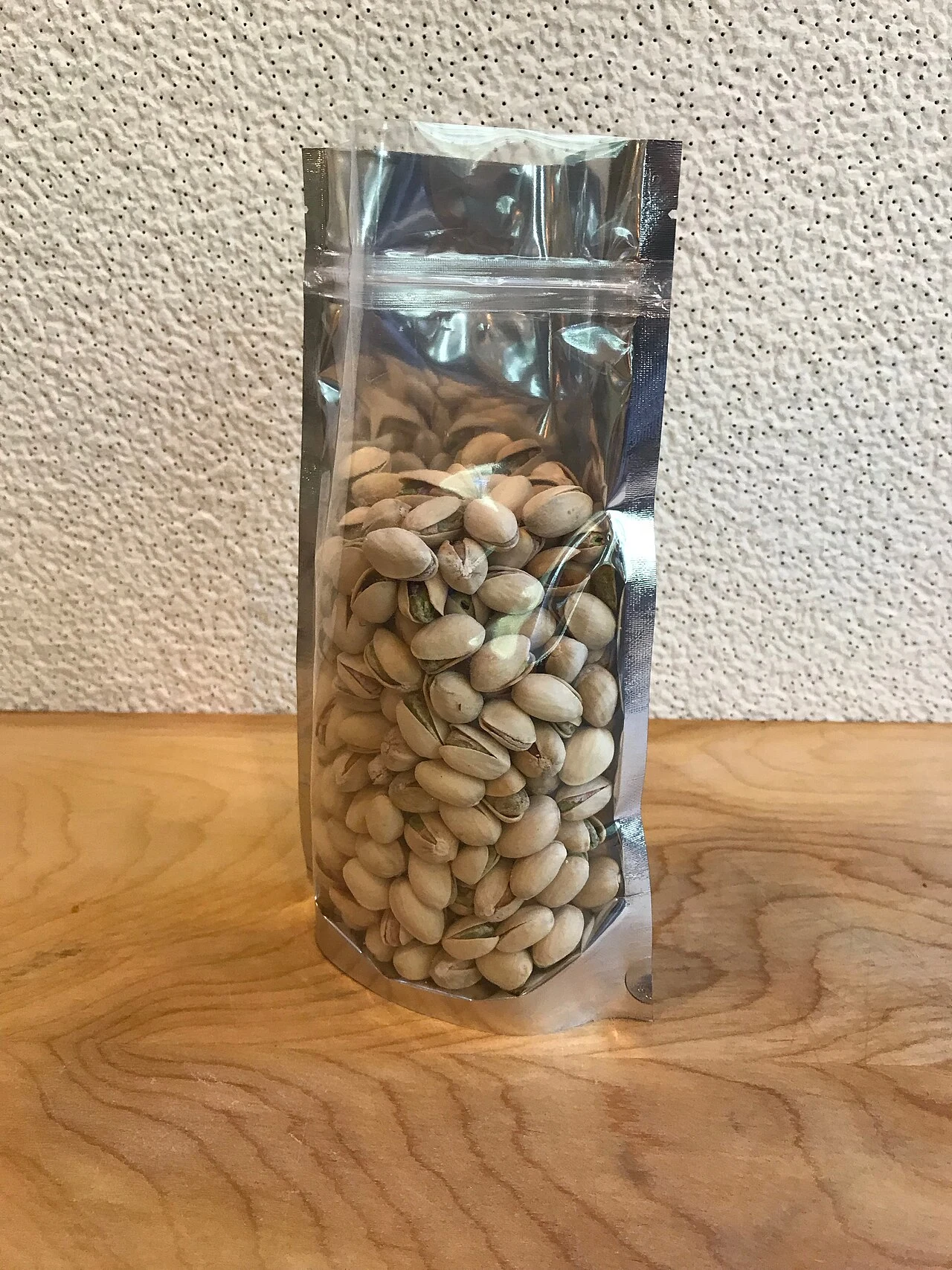 Flexible packaging