From portioning to display and the journey home

Packaging for supermarket deli counters

A deli range must work for the counter team as well as the customer. Connect portioning, product visibility, labels, closure and shopping-bag transport, with separate briefs for the foods and packing routes that actually use each format.

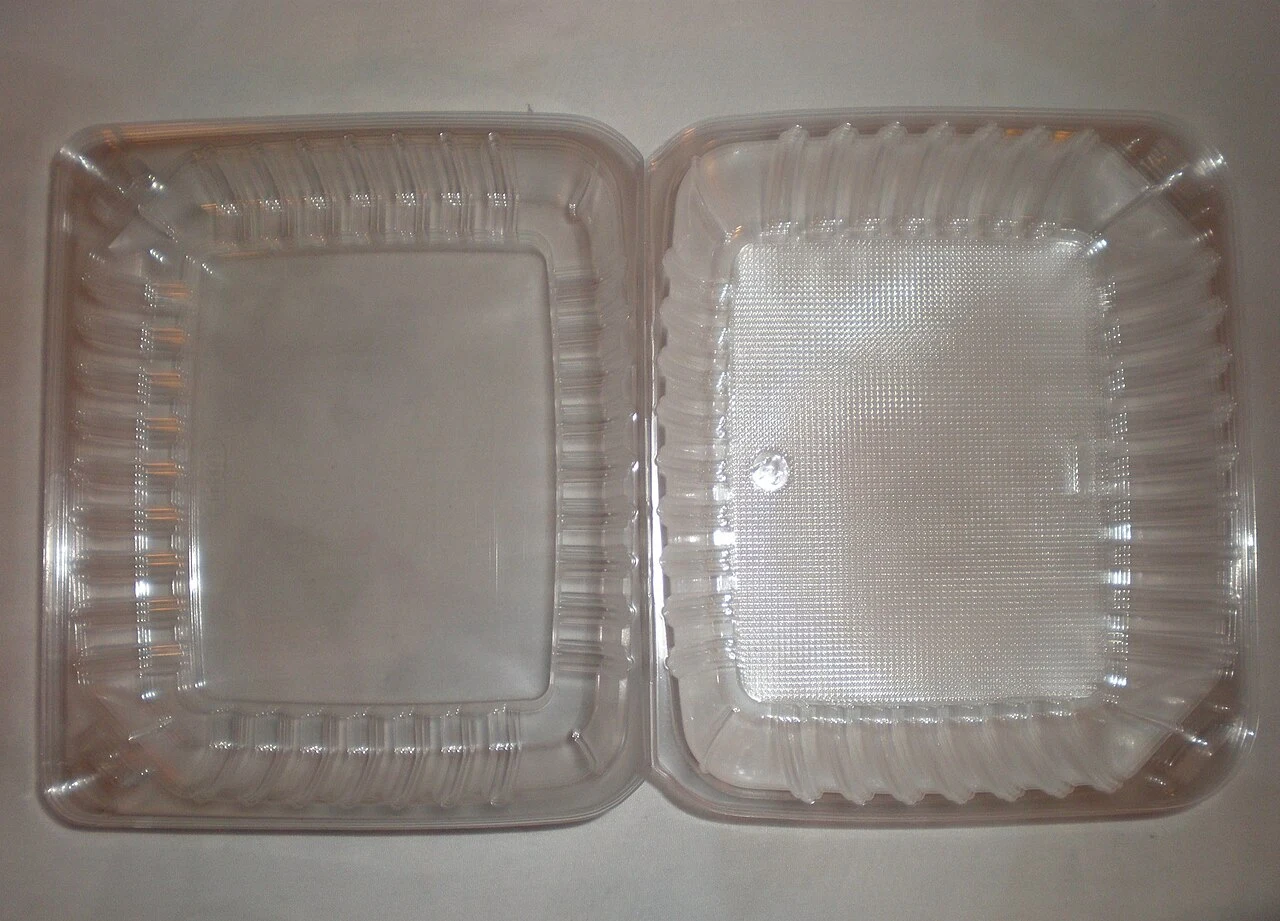
Packaging for supermarket deli counters · Reference photograph · final product configuration confirmed per project

Separate counter-packed and centrally packed products

Identify where the food is portioned and closed. A pack filled to order at a counter can have different operational needs from a centrally prepared unit delivered for display. Describe the actual product, portion range, ingredients and any separate sauce or accessory. A stated container volume does not establish every usable portion. Review how staff select the size, introduce the product and keep the closure region in its intended condition. If several foods share one container family, record their application status separately. The common range should simplify selection without hiding the differences that matter to filling, contact and presentation.

Design the filled display, not only the empty container

Decide what the customer needs to see and which surfaces carry the product information. Review the food arrangement, lid or film, label and any outer sleeve together. Empty-pack photography cannot establish the appearance of the actual portion. Different ingredients and fill levels can change what is visible and where a label can be placed usefully. Use representative filled samples under agreed viewing conditions, retaining the material and artwork references. A premium display can be quiet and coherent while the technical record remains specific about which container, closure and contents were reviewed.

Keep portioning and closure practical at the counter

Ask the working team to demonstrate the normal packing sequence. Scooping, placing a separate cup, closing and applying a label should be examined with actual product and the intended tools. A sample arranged carefully away from the counter may miss an awkward rim or inconvenient opening. Assess lid engagement or the actual sealing operation with its corresponding component. Qualified staff should determine relevant evaluation methods and conditions. A lid that fits once is not a general leak guarantee, and a different-looking food should not automatically inherit approval from a previous counter trial.

Treat labels and the shopping bag as interfaces

Define which information is fixed in the artwork and which is applied for the actual sale unit. Keep product identity and relevant label data controlled through the responsible team. Placement should be checked on the filled pack, including curves, closures and the surfaces available after handling. Any functional code needs its appropriate review; a phone scan is not a complete verification basis. Then place realistic mixed purchases in the shopping bag. Review stacking, removal and contact with neighbouring items so the attractive display pack remains a usable component of the journey home.

Build a range that stores can identify and replenish

Give each container and corresponding closure a clear item reference. Define packing and carton labels so similar formats are not confused at receiving or on the counter. Request comparable quantities by design, material descriptions and application-specific supporting documents. Retain filled sample references and open restrictions, with an identified owner for recipe, label and component changes. If a new product, closure or packing location is introduced, review the affected interfaces. This approach connects procurement with daily store operations rather than treating a coordinated deli range as a single generic container specification suitable for every food and sales route.

Define your project.

  1. Packing location and actual portion range
  2. Filled display and label layout
  3. Counter sequence and matched closure
  4. Mixed shopping-bag transport
  5. Item identities and clear change ownership

Knowledge for the next decision