Define the meal and portion arrangement
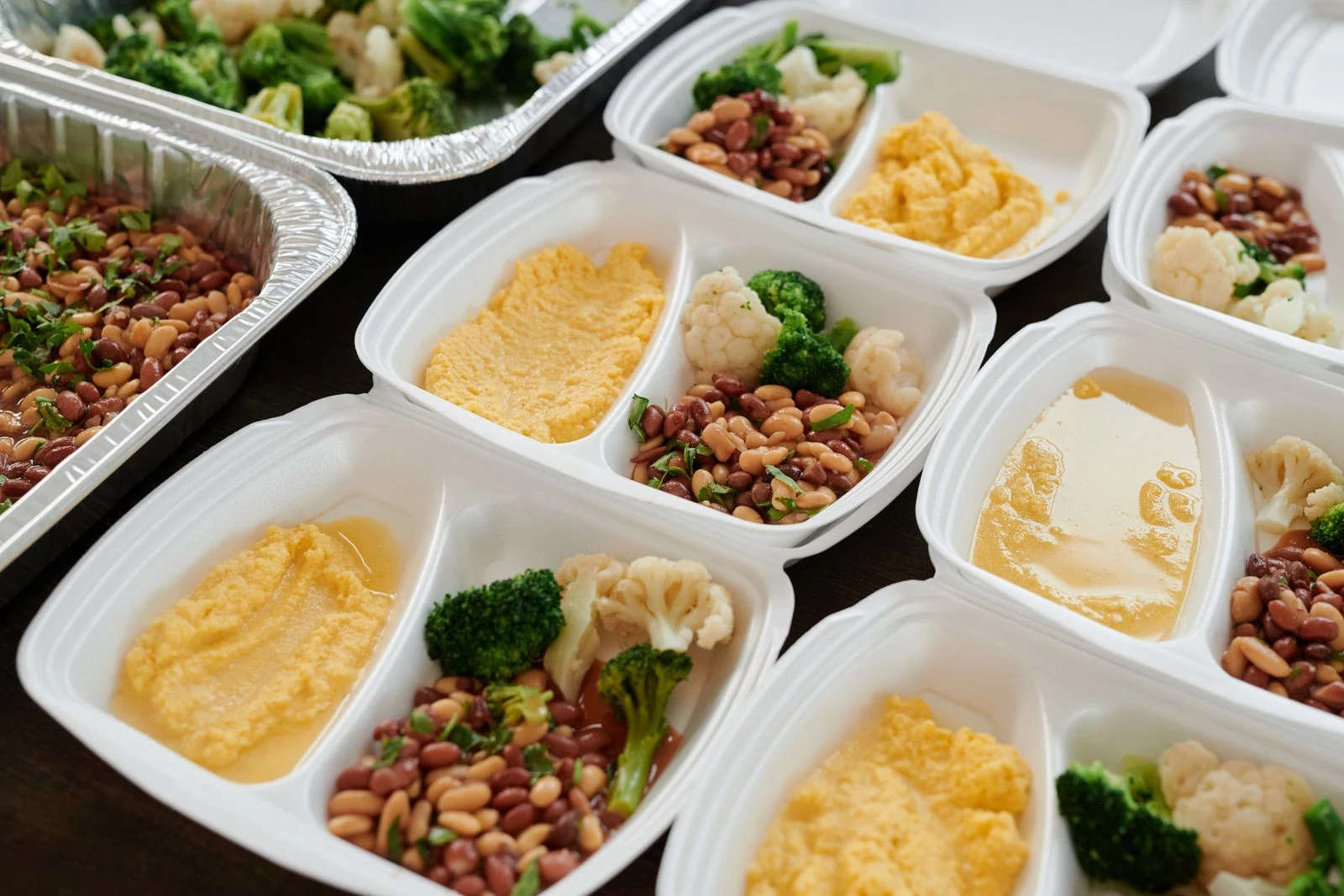
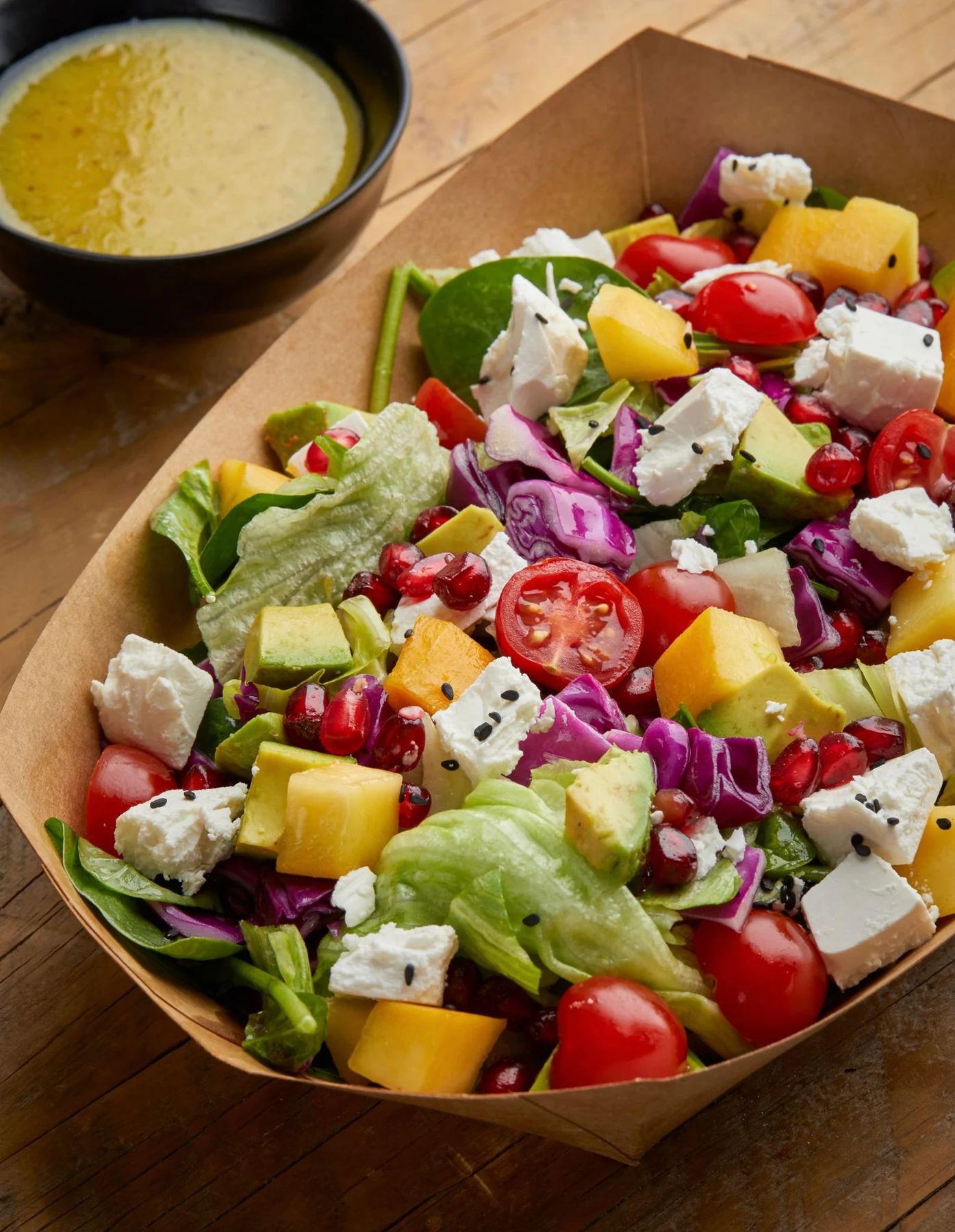
Describe the actual recipe, portion and distribution of ingredients. A mixed meal may need a different layout from a single homogeneous product, even at the same stated weight. Identify which components must remain separate and how staff or equipment place them. Use actual contents to establish usable space and the opening needed for filling. Include sauces and separate portion cups where relevant. Exterior tray dimensions do not independently establish practical capacity. If several recipes share one format, list their individual requirements and evaluation status rather than assume the first successful sample approves the entire range.
Specify the filling and closing interface
Record the actual filling conditions and the operation that closes the pack. Identify the container, lid or lidding film, sealing surface and relevant component revisions. Ask the line team where product can reach the rim and how that area is managed. A film recommendation should relate to the actual tray and equipment, not only to a broad material name. Qualified staff should choose appropriate trial conditions and evaluation methods. Record the conditions selected for the actual trial with its material and equipment identity. An empty tray-and-film demonstration can answer some questions while leaving the filled production system unrepresented; keep that distinction visible.
Check opening and intended use
Review the first opening with a representative filled pack. Observe the customer’s access to each portion, removal of any separate cup and handling of the remaining container. If the brief includes reheating or another later operation, identify the exact intended conditions and obtain an application-specific technical review; do not infer suitability from appearance or a generic tray label. Printed instructions should match the configuration actually assessed. Opening, closure integrity and food-contact suitability are separate questions. A convenient opening feature or a good-looking sample does not independently establish every protection, use or compatibility requirement.
Carry the filled system through the delivery route
Describe storage, movement, stacking and delivery using the actual order arrangement. Several meals in one outer pack may create different contact and access from a single counter purchase. Review the container, closure and outer packaging together, including the way staff lift and remove them. Ask the technical team which further assessment is appropriate for the route and agreed damage criteria. Avoid turning an upright observation into a general leak guarantee. Record product, fill, closure and outer-pack references so later changes can be judged against the system that was actually examined.
Connect procurement with production evidence
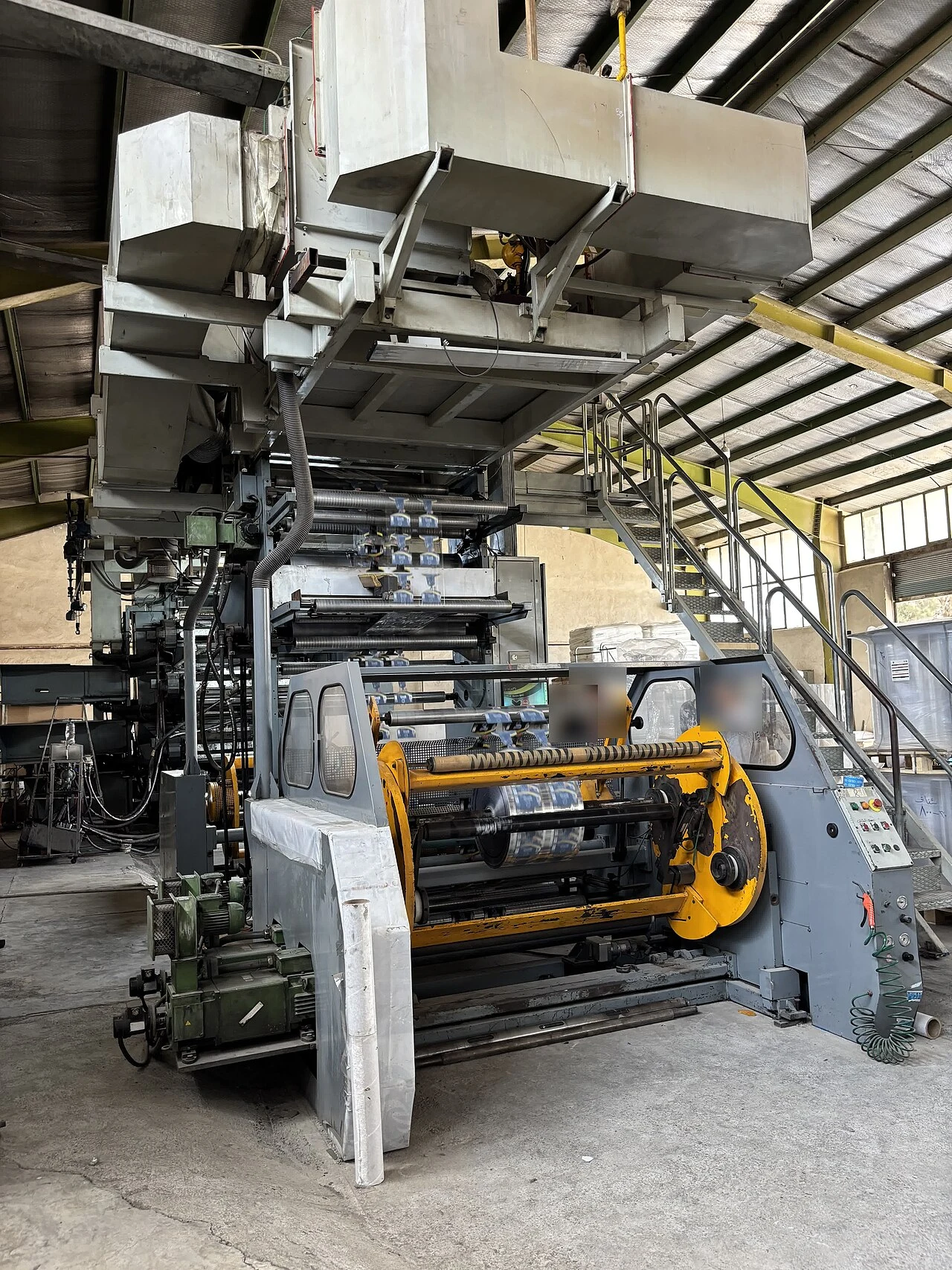
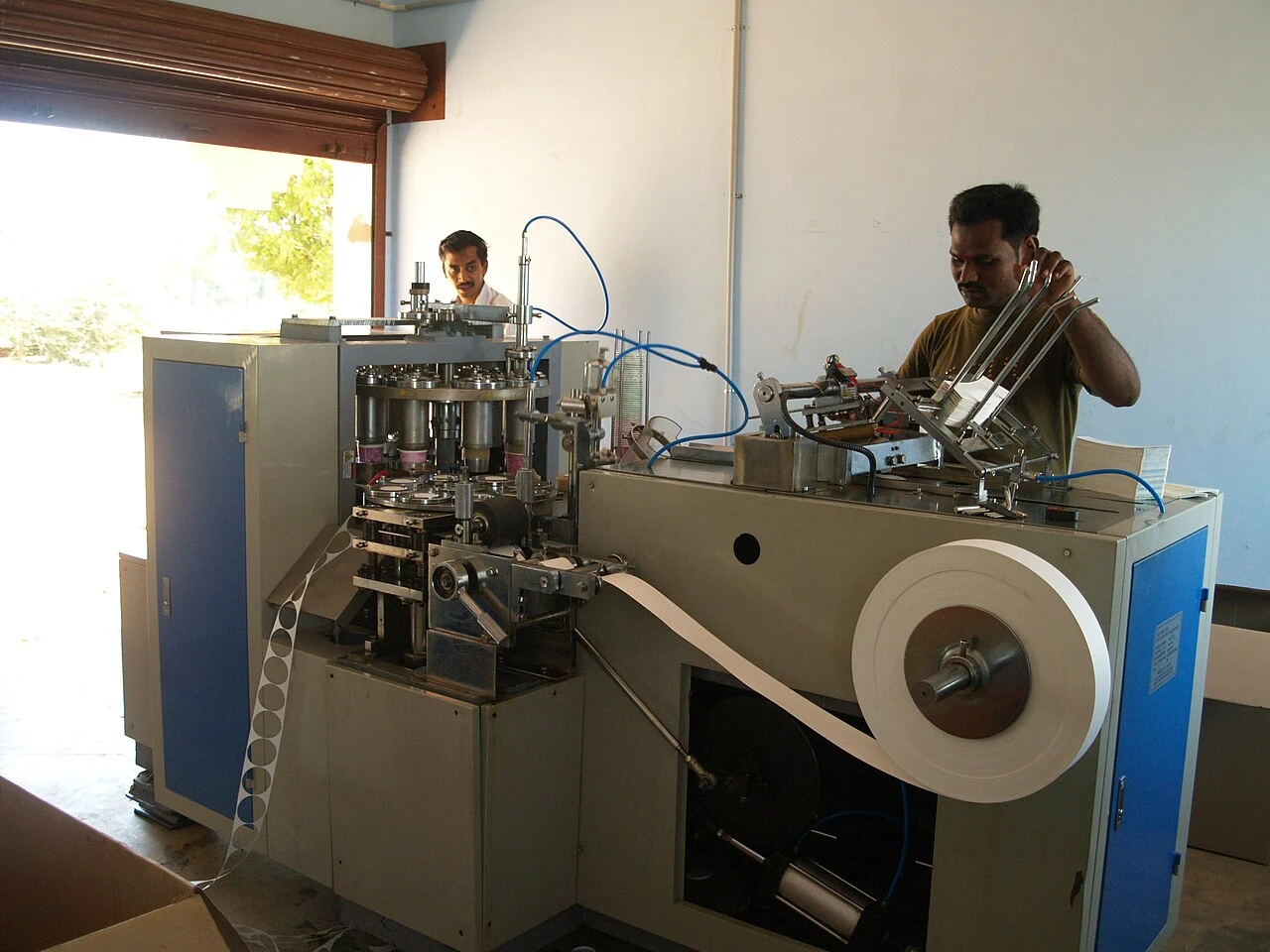
Request comparable quotations for the same container drawing, structure, closure, artwork, quantity and delivery scope. Identify the actual contact side and request documents relevant to the meal and intended conditions. Retain trial records, approved samples, limitations and the authority for substitutions. A new recipe, film, lid, inner surface or filling operation may require targeted review. For businesses making their own containers, define converting machinery, paperboard and tooling as related sourcing work with a separate acceptance basis. The result should be a coordinated production reference, with commercial supply connected to the meal and process rather than a generic ready-meal packaging promise.
 Packaging sourcing

 Quality planning
 Flexible packaging