Let the bakery assortment define the structure
Separate delicate pastries, loaf-shaped products, individual portions and multi-item gift purchases in the brief. Record the actual dimensions, weight, arrangement and surfaces that must remain untouched. A box chosen from an exterior size list may not provide the usable opening or clearance the product needs. Include any board, liner or insert that travels with the food. Use the real assortment to review loading and removal, rather than approve an empty box alone. If one format will serve several products, identify those applications separately so the convenience of a shared size does not become an unsupported fit claim.
Develop the window and opening together
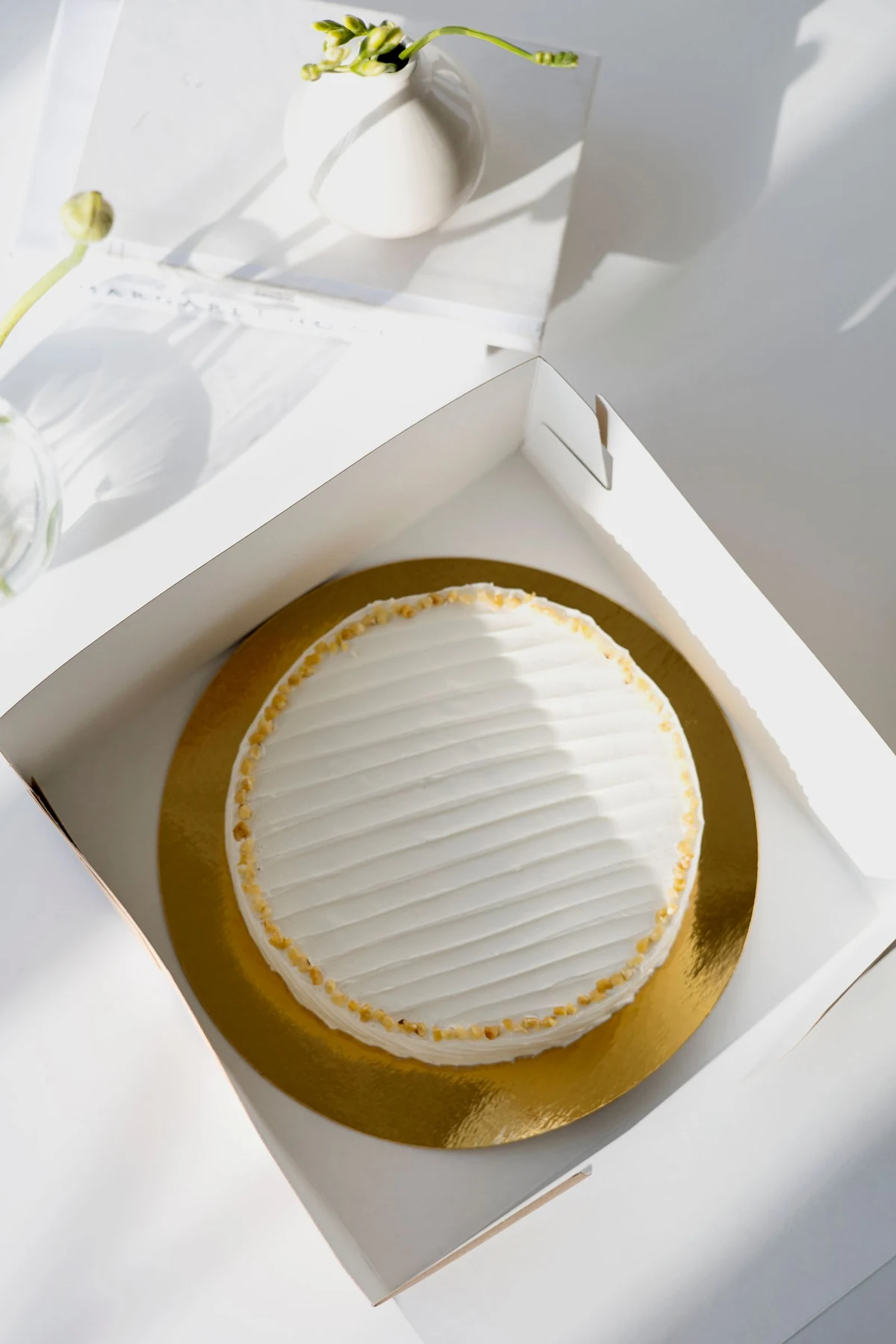
A window can reveal the product, but its location should follow the filled arrangement and the way the customer sees and opens the box. Ask for the actual window, attachment and structural references rather than choose from an image alone. Check whether important decoration touches the lid or window area and whether the opening sequence gives useful access. Review the assembled pack with its contents in the intended orientation. The visual model can establish panel relationships while leaving final material or production appearance open. Record those boundaries so an attractive presentation sample is not mistaken for complete functional approval.
Specify grease contact with the actual recipe
Wraps, tray liners and box surfaces should be discussed against the actual product, contact side, intended contact time and handling conditions. A grease-resistant name does not establish identical behaviour for every recipe or finish. Ask the responsible technical team to define appropriate evaluation and the supporting documents needed for the application. Observe relevant marks, transfer, product release and presentation on representative samples without turning a casual observation into a universal resistance promise. Keep the paper grade and any treatment identified. If the supplier changes the stock while retaining its commercial description, review whether the earlier evidence remains relevant.
Make the counter and carrying sequence part of design
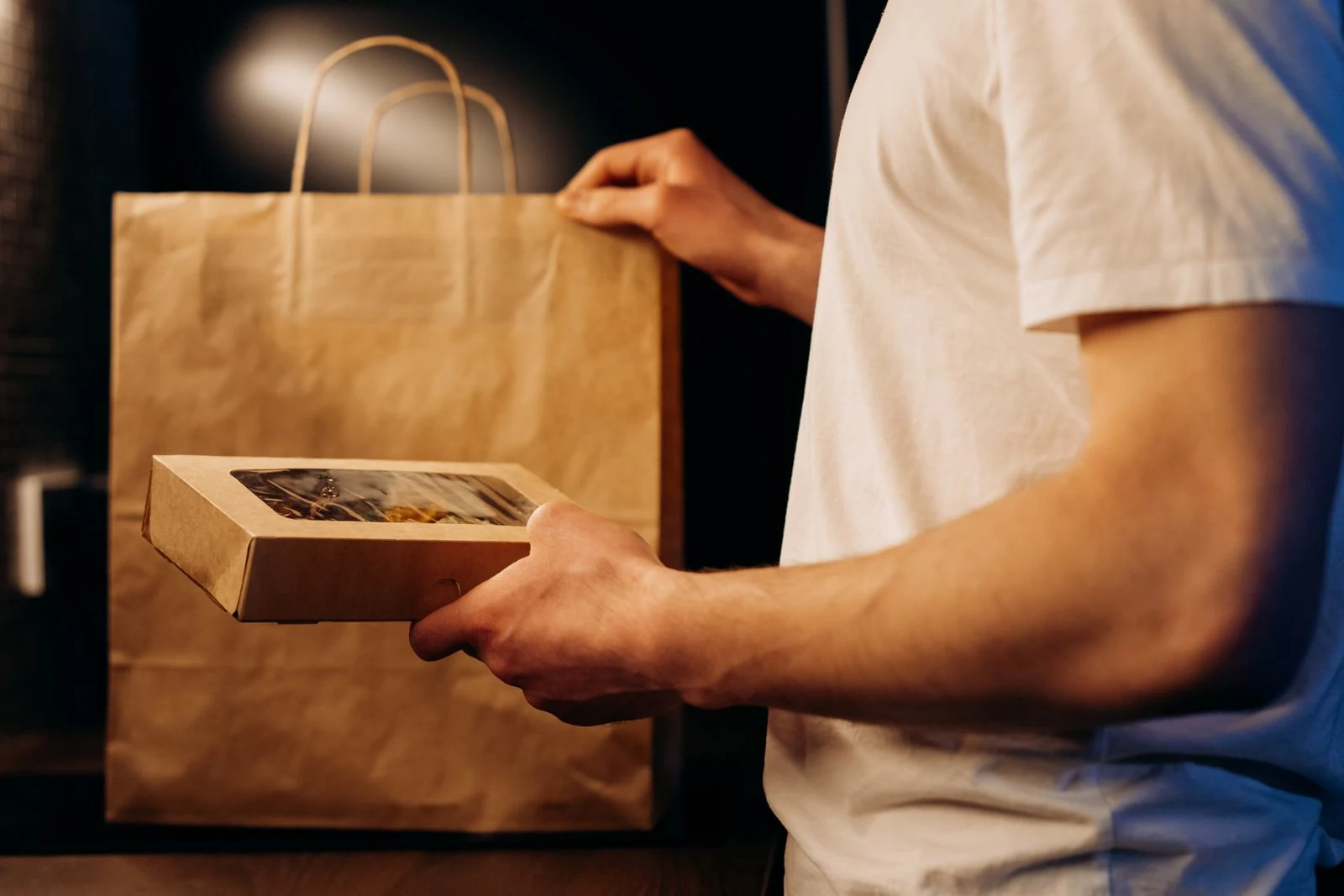
Ask staff to open, fill, close and hand over the proposed packaging using a realistic order. A carefully arranged development sample can hide a difficult flap or awkward product placement. For mixed purchases, review the box, wrap and bag together, including support underneath and contact between packs. Avoid inferring carrying performance from paper grammage alone. Decide how empty packs arrive and are stored, and whether windows or decorated surfaces need specific protection in bundles. These operational details help preserve the intended appearance before a customer sees it and make the range easier to replenish during busy service.
Release the recipe-specific pack and visual reference
Use the converter’s current drawing for artwork and check the folded box, tray or bag rather than only the flat layout. Select suitable physical references for brand-critical colour and finish. Keep product arrangement, paper or board, window, wrap, artwork and sample identities connected in the order record. Ask for quantities by design, packing details and declared substitutions. A new recipe, taller decoration, changed liner or revised window may reopen a different question; the review can target that interface. Clear references let a bakery retain a coherent premium presentation while keeping sourcing decisions grounded in the actual product and production route.
 Packaging sourcing

 Design & print