Coffee service, considered as a system

Packaging for coffee shops

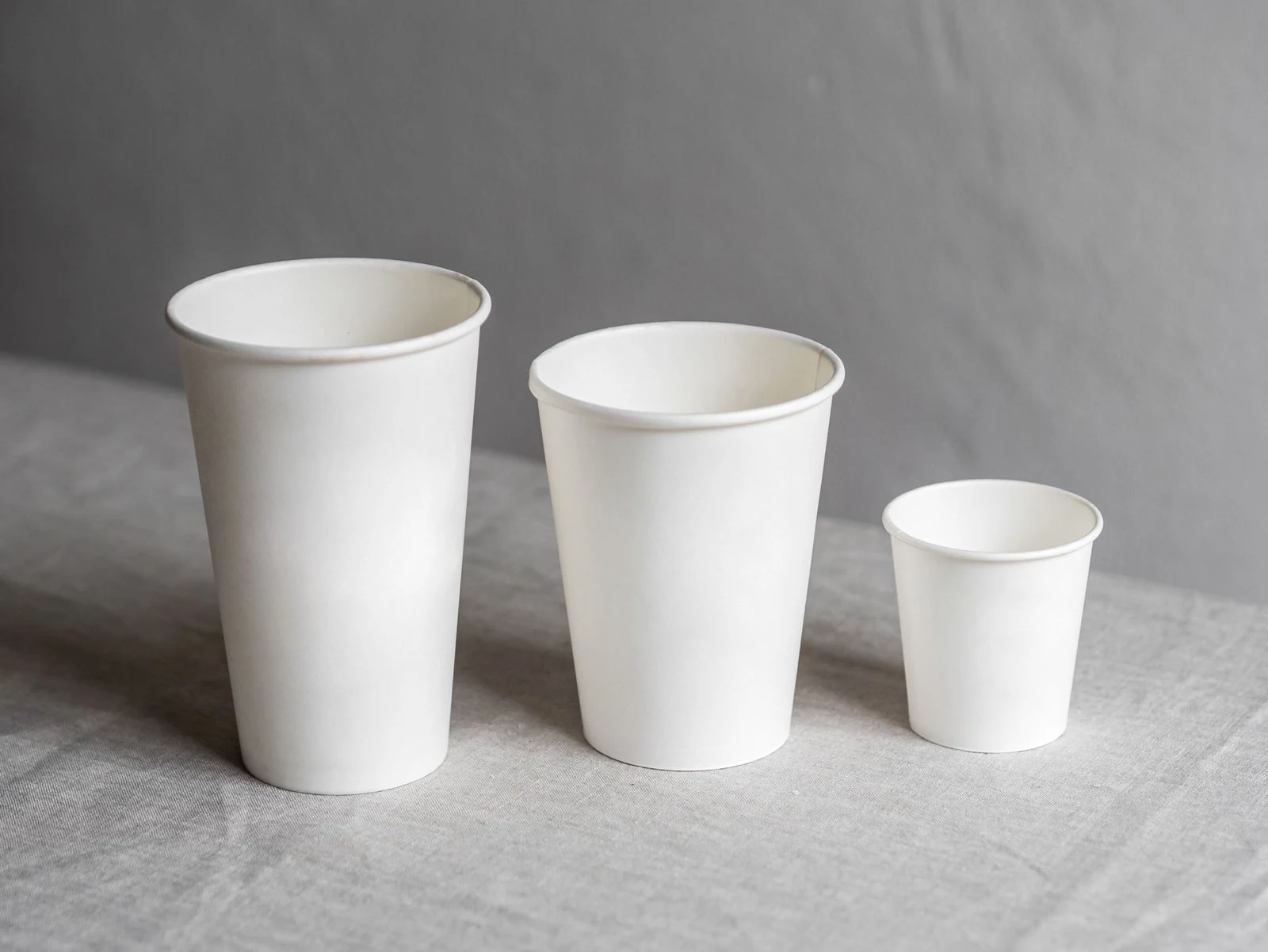
A cup is one part of the handover. Develop cups, lids, sleeves, carriers and takeaway bags around your drinks, counter routine and delivery mix, with a consistent visual identity and a clear specification for each component.

Packaging for coffee shops · Reference photograph · final product configuration confirmed per project

Start with the drink menu and service route

Separate the applications that your menu actually needs. Hot drinks, iced drinks and drinks with toppings can create different filling, opening and carrying questions. Record the intended portion, the space needed below the lid, the actual filling conditions and how customers receive the drink. A nominal cup size does not independently establish a usable serving portion. Include counter collection, walking customers and delivery orders where relevant. Shared branding can connect the range, while each cup-and-lid combination retains its own identity. This makes it easier to discuss a coordinated family without assuming that one construction suits every beverage.

Choose the cup and lid together

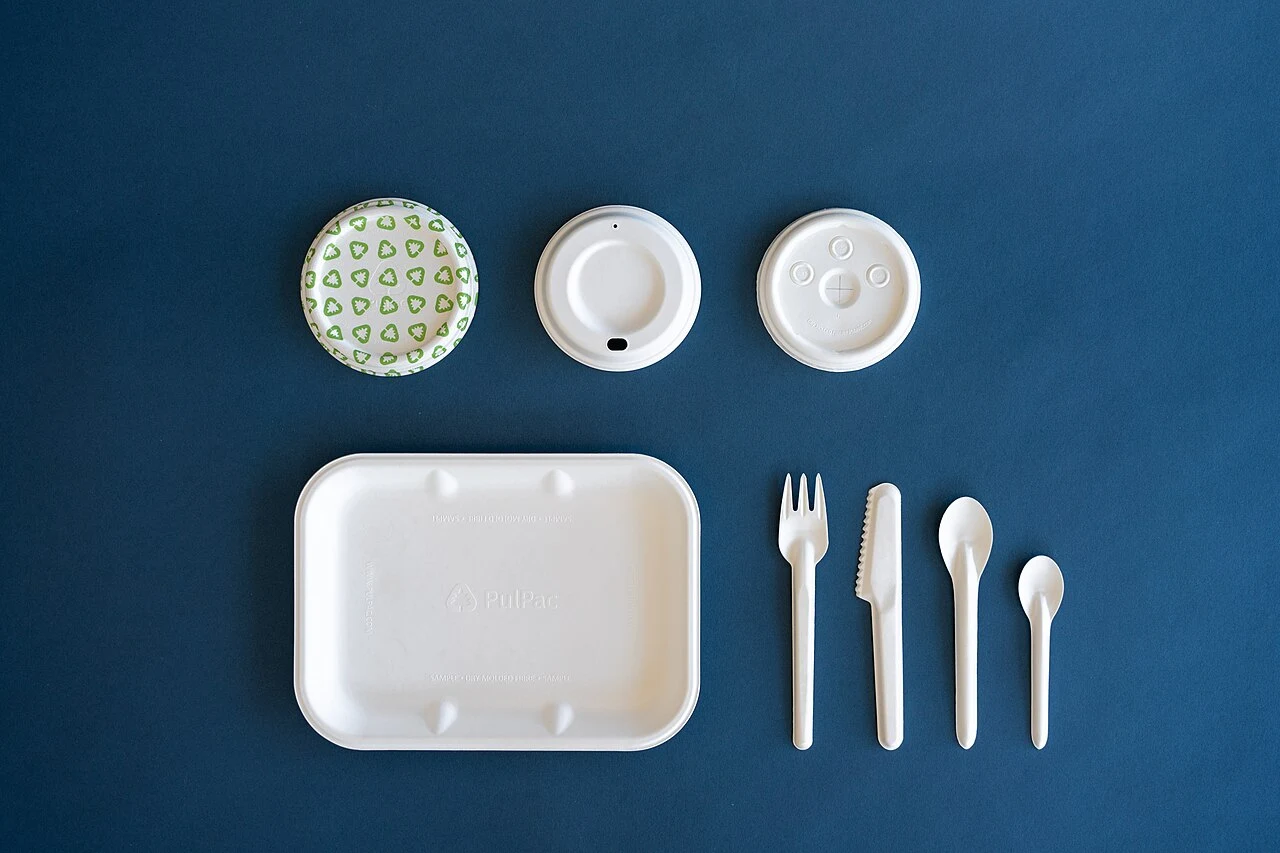
Ask for the cup drawing and the corresponding lid reference, then review representative filled samples. Check how staff apply the lid, what they can see at the rim, and how the customer handles and drinks from the complete pack. A lid that looks similar is not automatically an approved substitute. Sleeves also need a practical grip and fit review on the intended cup. Define the material, inner surface and contact conditions with the responsible technical team, and request supporting information for that application. A paper appearance, a familiar material name or an attractive render cannot settle those questions.

Make the carrier part of the order

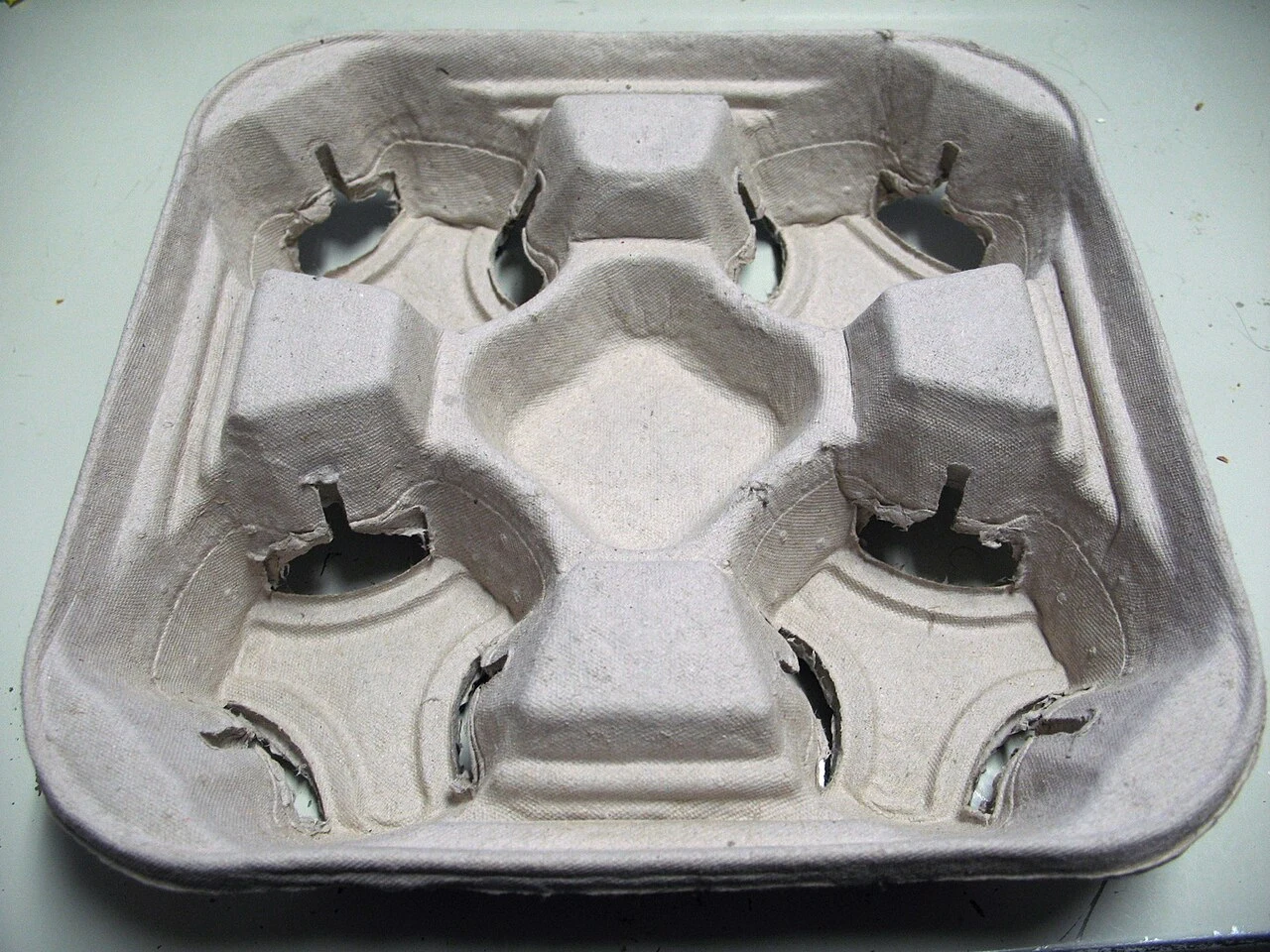
Review carriers with the actual cup sizes and realistic order combinations. One drink alongside a food box presents a different bag arrangement from several drinks together. Observe loading, handover, carrying and removal, including how the bag is supported and where components contact each other. Do not infer stability from an empty carrier photograph. If food shares the bag, specify the layout rather than leaving staff to improvise it at the counter. Identify the carrier, bag and cup combination in the sample record, so a later size change triggers a deliberate review of the interfaces it affects.

Design for the cup people will hold

Place the artwork on the converter’s current drawing and inspect it on the formed cup, sleeve and bag. Curved surfaces, joints and grip areas influence what remains visible. Decide which elements must stay consistent across sizes and where each format needs its own layout. A screen image can approve wording and composition without proving the final colour, texture or surface finish. Use appropriate physical references for brand-critical appearance. Keep any material or environmental statement tied to its actual evidence and destination context; changing a coating, lid or sleeve may require that wording to be reconsidered.

Prepare a range that the counter can reorder

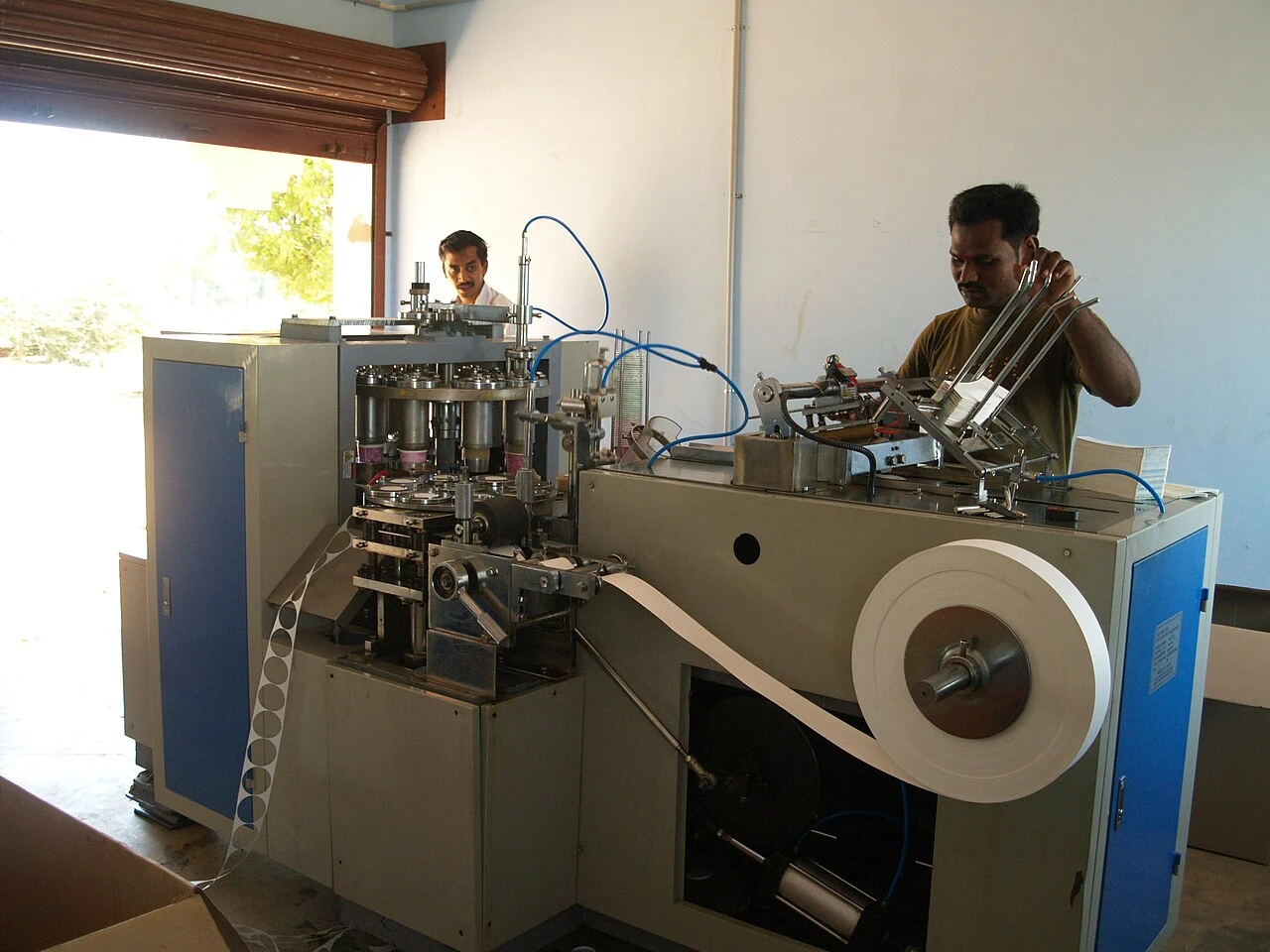
Give each cup, lid, sleeve, carrier and bag a clear item reference. Ask suppliers to quote quantities by artwork and distinguish product supply from printing preparation, samples and any tooling. Record packing quantities and labels so similar sizes can be received and selected without confusion. Before ordering, reconcile the quotation with the approved components and their sample limitations. If you are developing your own cup production, define the actual cupstock, format tooling and accepted-output basis separately from the finished-pack brief. Machinery selection and beverage-pack approval are connected decisions, with different evidence and responsibilities.

Define your project.

  1. Drink menu and real serving portions
  2. Matched cup, lid and sleeve references
  3. Filled carrier and bag review
  4. Formed artwork and appearance references
  5. Application documents and controlled repeat orders

Knowledge for the next decision