Packaging sourcingFood and takeaway packaging: build an application-led specification
Define the actual foodservice application, material and process. Use a complete specification, representative trials and traceable evidence before…
Read guideRESTAURANTS & QUICK SERVICE
Build a practical packaging range around what your kitchen actually serves. Burgers, pizza, noodles, soup and salads create different portion, moisture and opening questions. Connect the menu to the counter workflow and the completed order, so purchasing compares usable systems rather than isolated container prices.

An illustrative bowl format for salads and prepared meals. Develop the bowl, lid and inner surface together around the actual ingredients, portion,…
Explore specification
A paper bowl concept for soup service. Specify the filled system, closure and inner treatment against the actual recipe, filling conditions, service…
Explore specification
A wrapping-paper concept for foods involving oil or grease contact. Define the required resistance using the actual food, duration and handling…
Explore specification
A paper carrier bag concept for takeaway orders. Match bag dimensions, base and handle construction to the actual container assortment, gross load and…
Explore specification
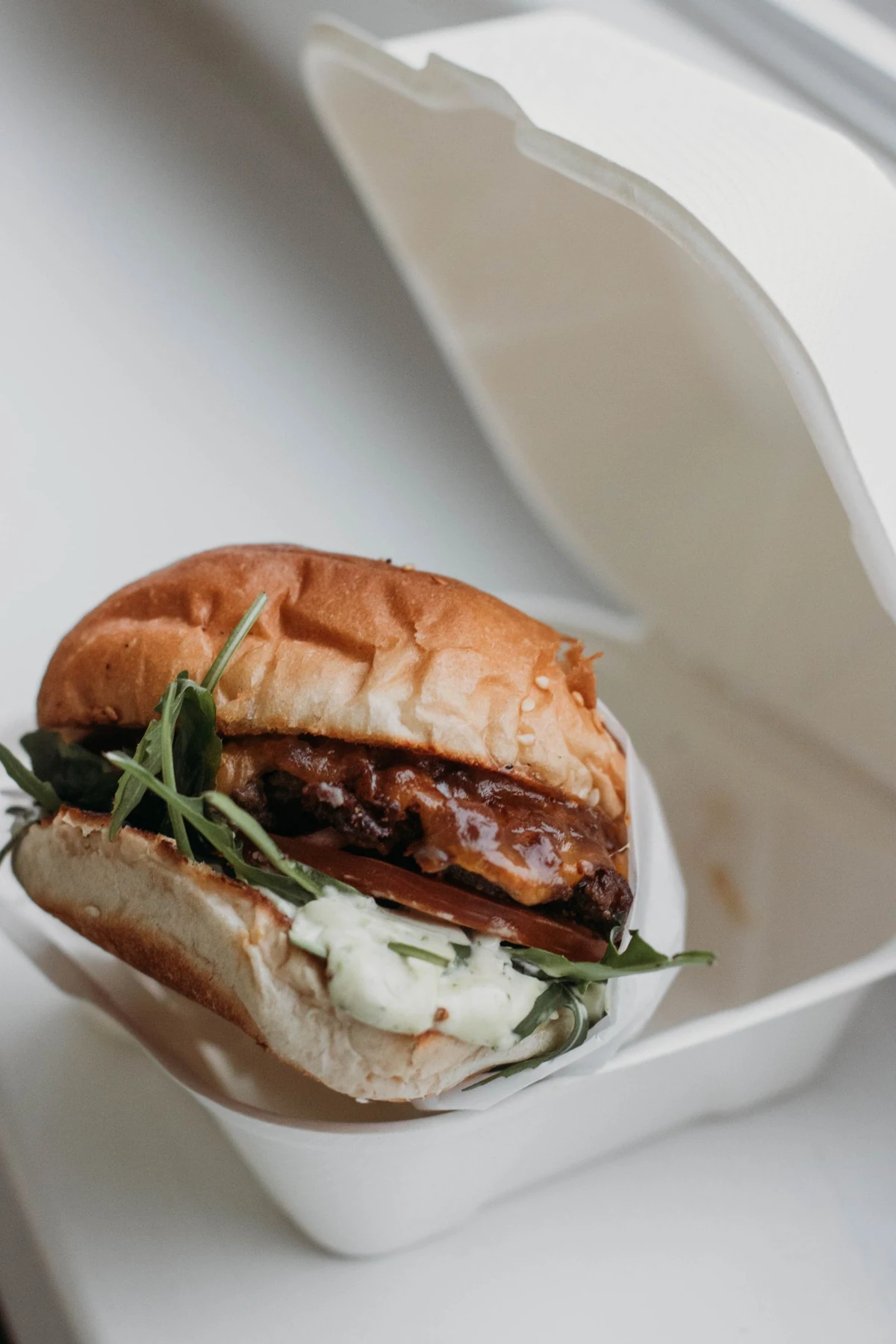
A hinged carton concept for burger service. Review product clearance, hinge, closure and inner surface with the actual assembled burger and service…
Explore specification
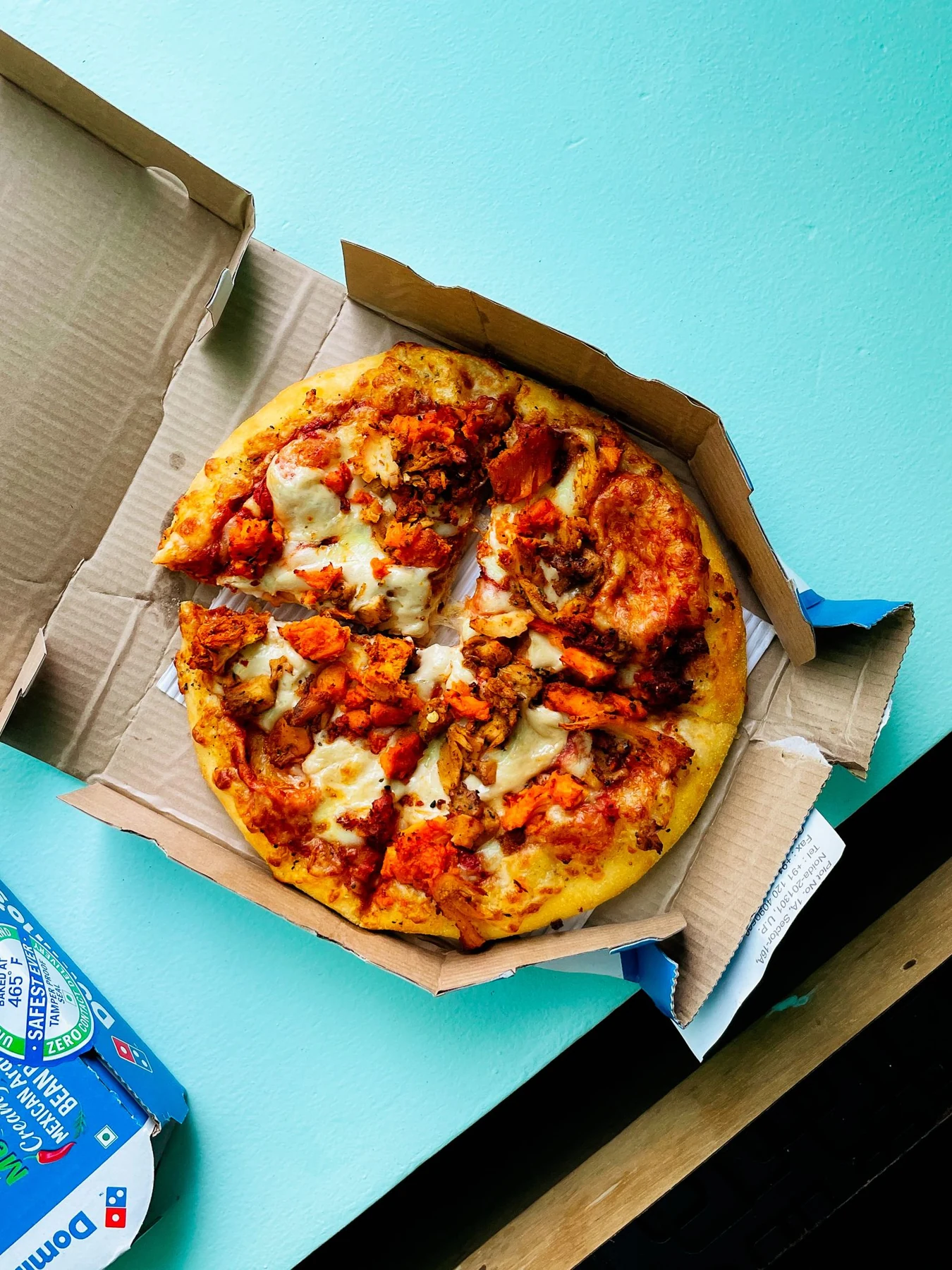
A pizza-box concept developed for the actual product and delivery arrangement. Specify structure, internal space, base support and closure, then review…
Explore specification
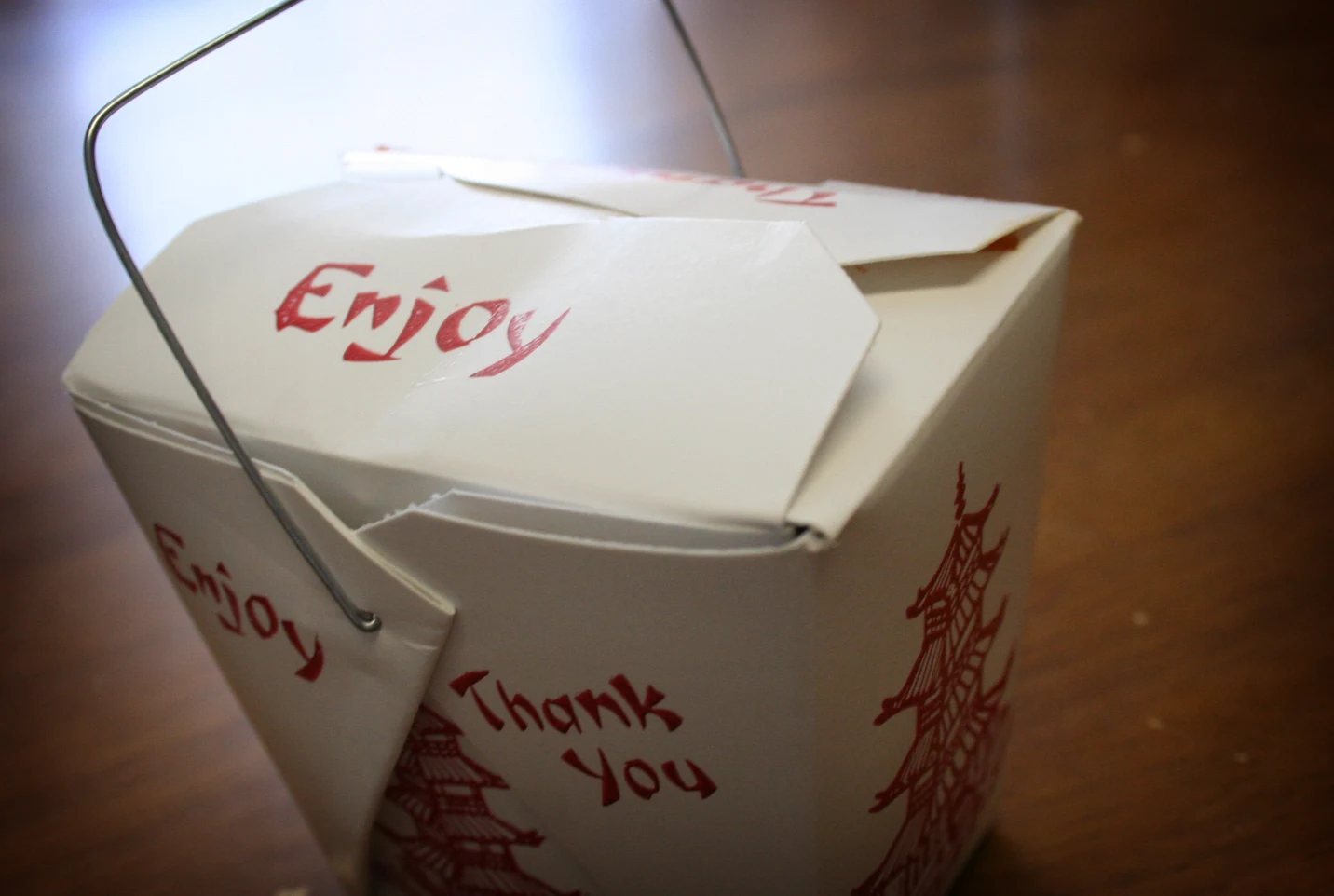
A folded paper container concept for noodles and prepared dishes. Review usable fill, seams, base and top closure with the actual food, packing process…
Explore specification
A small container concept for sauces and condiments. Develop usable portion, rim and closure with the actual recipe and filling conditions, including how…
Explore specification
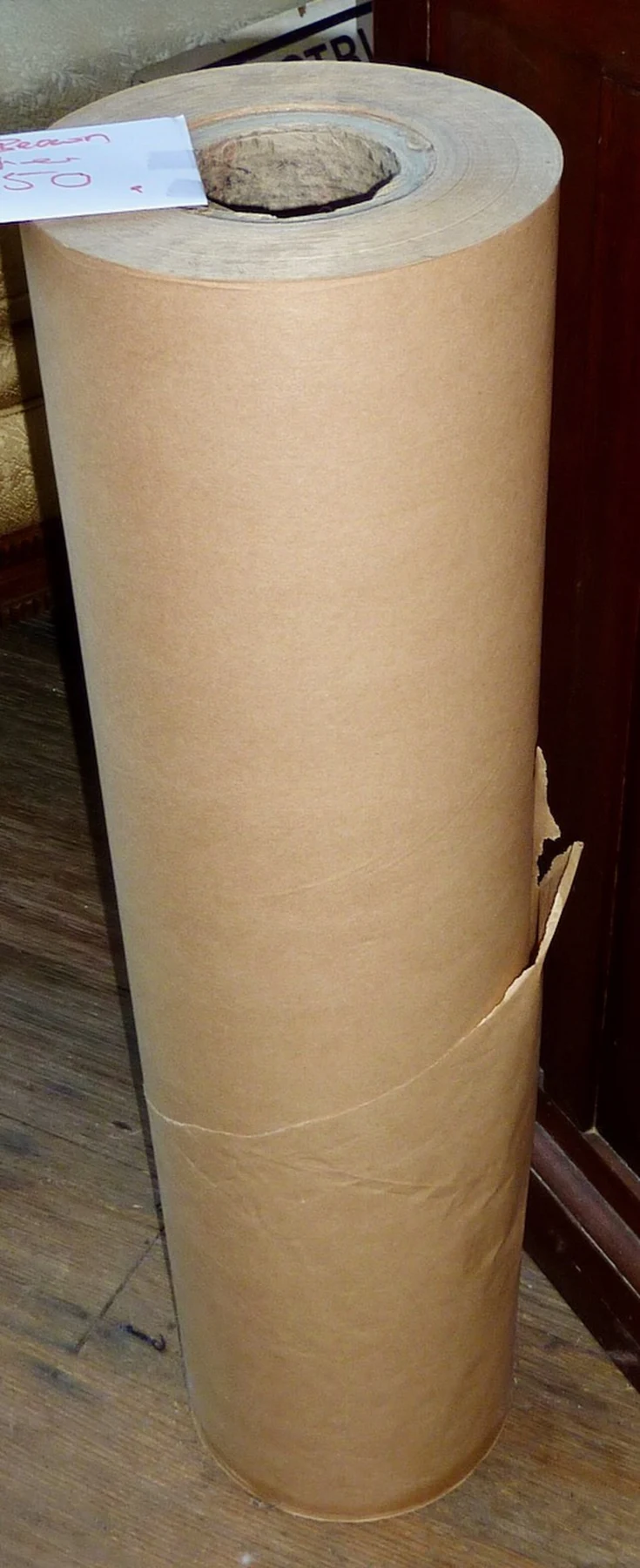
A kraft-paper supply concept for a defined food-packaging use. Identify grade, grammage, caliper and any treatment, then review print and conversion…
Explore specification
A paper-stock concept with a defined grease-resistance requirement. Specify grade, grammage, caliper and treatment, then assess the actual food-contact…
Explore specificationNo matching products. Try a different material or search term.
List the real dishes, portion variations, sauces, garnishes and product combinations. Identify whether each item is eaten immediately, collected for takeaway or sent through delivery. Shared packaging can simplify stock, but similar dimensions do not prove suitability for different foods. Record relevant contact conditions and the actual waiting stages for technical review. A menu-to-pack map reveals where a common format is reasonable and where a separate cup, liner or container is needed. It also makes later menu changes easier to assess against an identified baseline.
Oil, liquid moisture and steam should not be collapsed into one request for a stronger box. Observe the filled dish and decide what the business needs to preserve or contain. Wrapping paper, a vented concept, a separate sauce cup or another closure can introduce trade-offs that need real samples. Do not assume that an attractive closed pack guarantees food condition throughout the journey. Keep functional observations separate from the relevant food-contact assessment, and ask for evidence tied to the actual material, food and operating conditions.
Demonstrate portioning, loading, closing, labelling and passing the order to the next person. Check access for hands and utensils and how empty containers are separated from a stack. A box assembled carefully during development may require movements that are awkward in routine service. Involve the team doing the work and record specific constraints. If a proposed change transfers folding or assembly from the supplier to the restaurant, make that responsibility visible. A lower purchase line does not mean the operation needed to prepare the pack has disappeared.
Review containers, portion cups, drinks and the outer bag together. Identify the intended arrangement and how staff check that the correct versions and components are present. A cup carrier or sauce container can change the bag’s usable space and carrying behaviour. Evaluate representative orders through the chosen handoff and opening sequence, rather than only a single upright container. For multi-site supply, keep item identification and packed quantities clear enough that receiving teams can replenish the right format without repeatedly opening similar-looking cartons.
Include the replenishment path behind the counter. Record how opened bundles are stored, how similar sizes are distinguished and which items must be available together during service. A range reduction is useful only if staff can still assemble the intended order clearly. Review any proposed standardisation with the actual team and menu mix. When an option changes the outer bag or carrier, update the complete-order layout rather than assuming an unchanged food container means the whole system remains unchanged.
Specify component identities, drawings, surfaces, artwork and quantities by design. Ask suppliers to distinguish base proposals from alternatives and routine supply from tooling or sampling. For wrapping paper or kraft supply, state the sheet or reel format, contact side and intended conversion or use. Separate material claims from appearance preferences. Retain the approved food-and-pack configuration, sample limitations and change responsibilities. When a supplier offers another board, lining, lid or paper source, assess the affected interfaces before the replacement inherits the previous approval.
Packaging sourcingDefine the actual foodservice application, material and process. Use a complete specification, representative trials and traceable evidence before…
Read guide
Packaging sourcingAn RFQ is a structured request for a comparable quotation. Give each component a line item: primary container, closure, label, insert and outer carton.…
Read guide
Packaging sourcingMinimum order quantity can reflect setup time, material purchasing, print preparation, tooling or a supplier’s production planning. Ask which constraint…
Read guide