AIRLINE CATERING

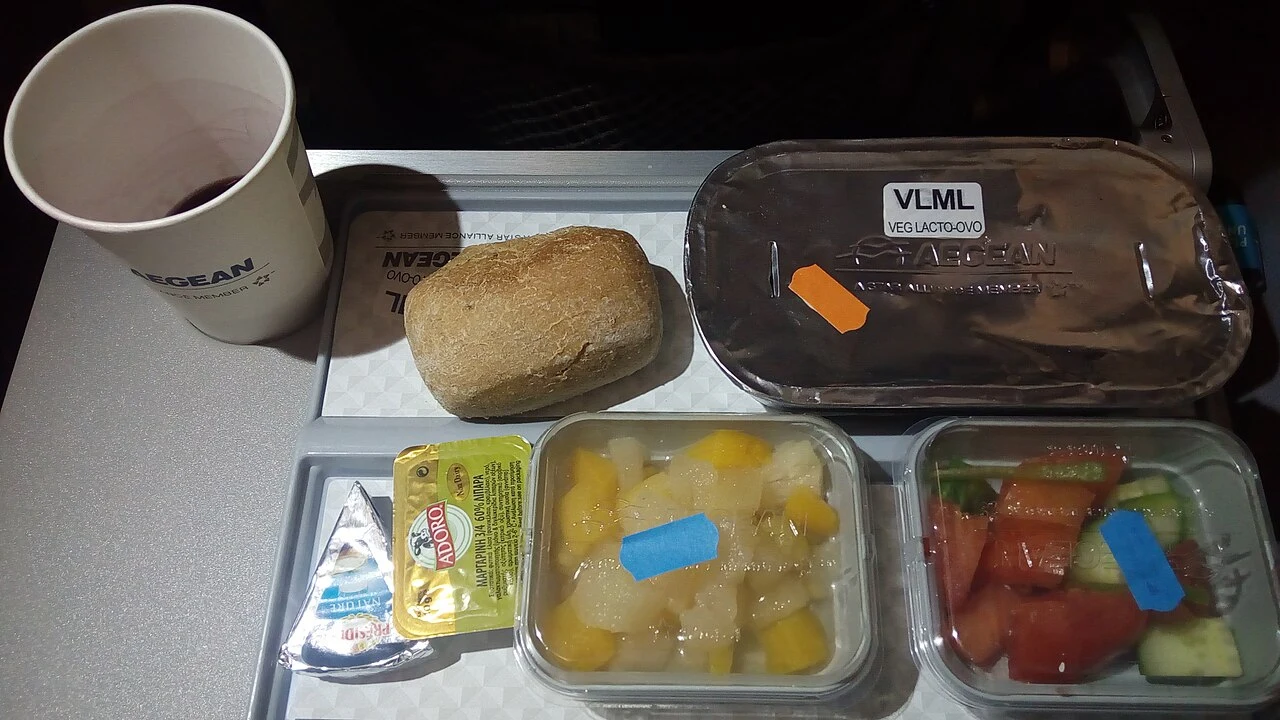
Airline meal packaging, developed around the service

Build the packaging specification around the actual meal, service unit and crew sequence. From kitchen assembly to trolley loading and passenger opening, each interface deserves a clear reference. ChinaPackagingHub helps frame the product, component and sourcing questions so proposals can be compared against your operation.

Airline meal packaging, developed around the service · Reference photograph · final product configuration confirmed per project

Relevant product types

Reference photograph: Food packed in a kraft takeaway box and carrier bag

Rectangular paper food containers

A rectangular container concept for portioned meals. Review usable space, corner construction, closure and inner surface with the actual food and packing…

Explore specification
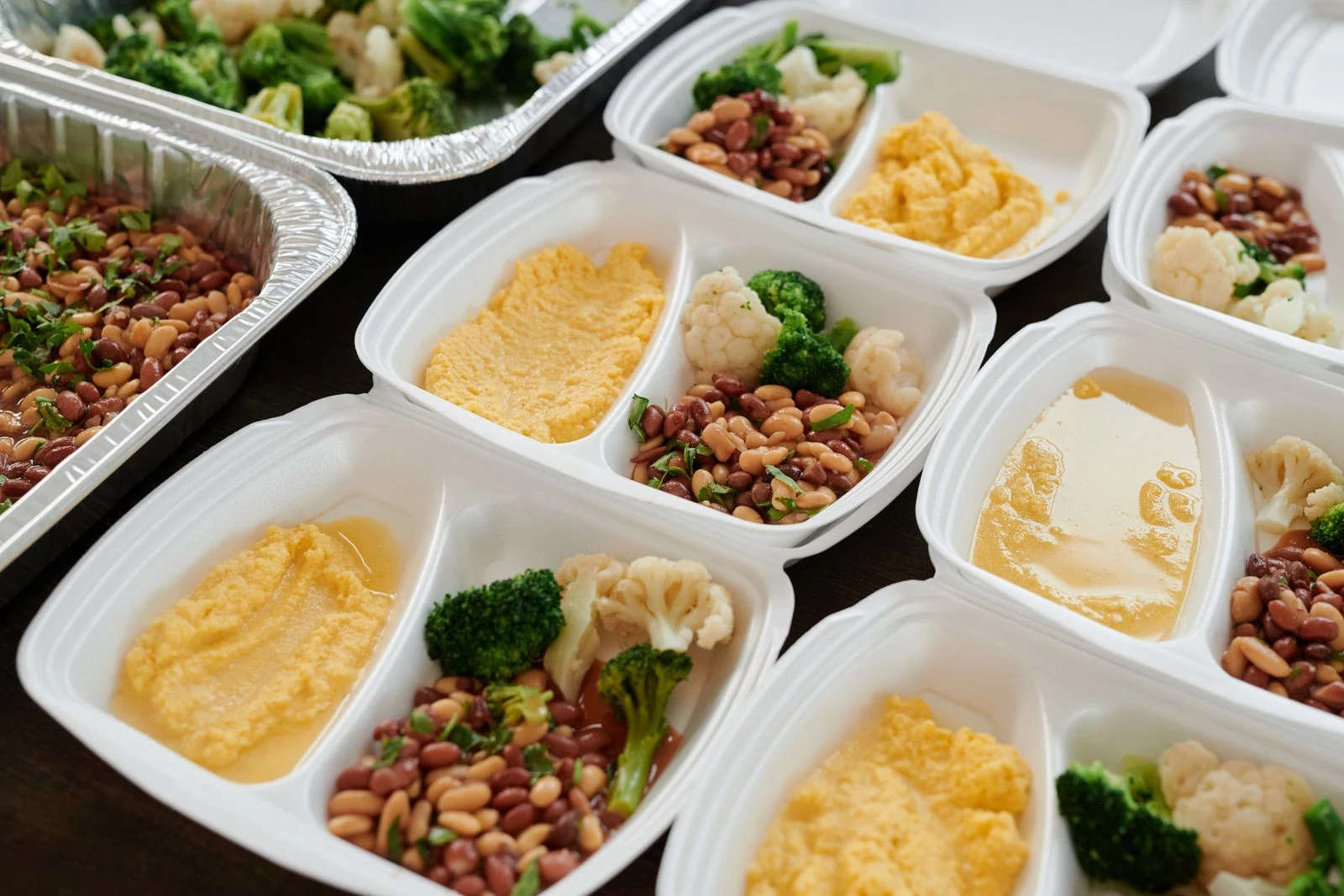
Reference photograph: Prepared meals in food containers

Compartment food trays

A compartmented tray concept for separated meal portions. Review cavity geometry, divider height and closure interaction with the actual meal and serving…

Explore specification
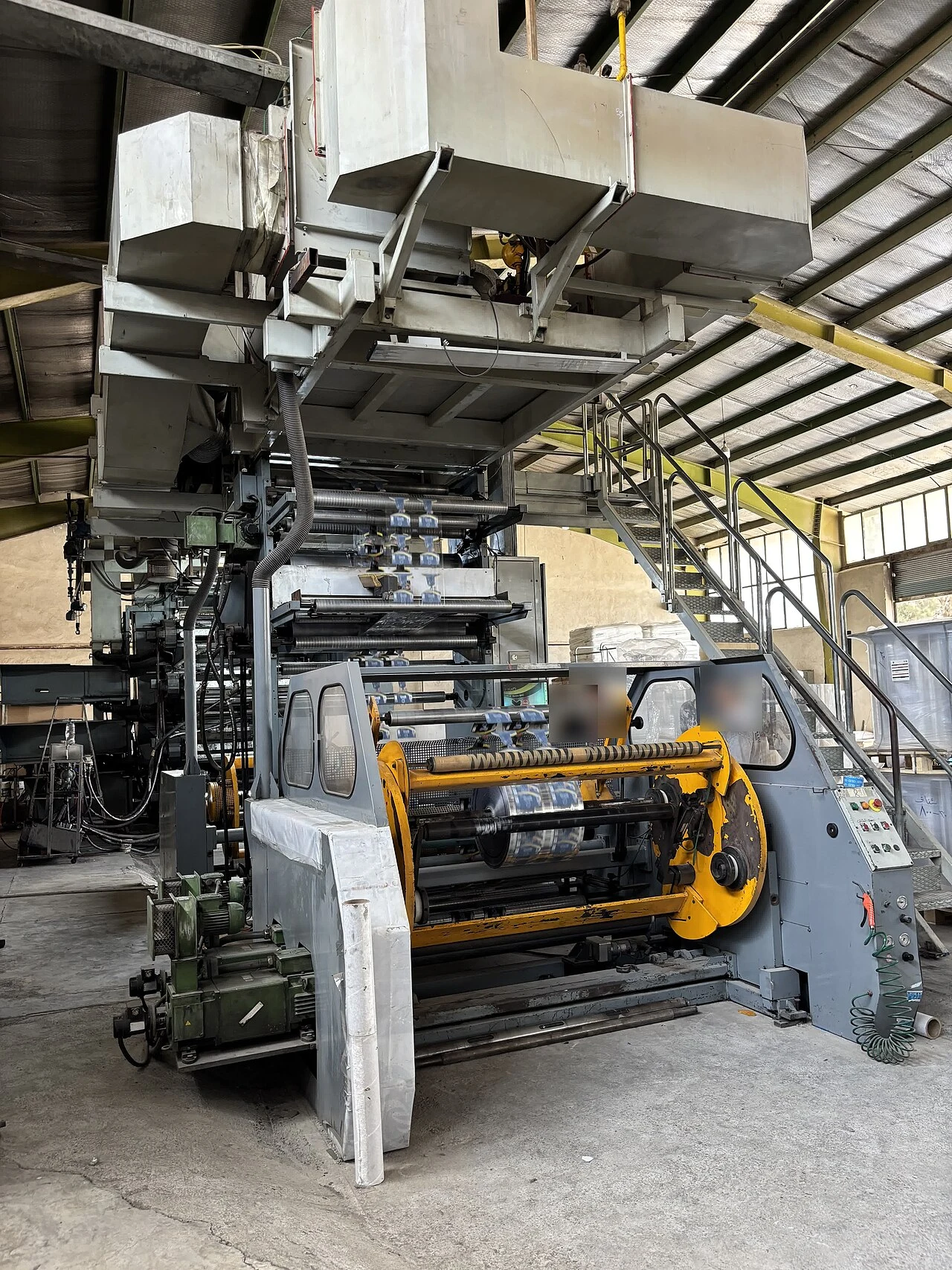
Reference photograph: Navid Selfon plant - film printing press, Tehran (2026).jpg

Food tray lidding films

A lidding-film concept developed with its matching tray. Specify the tray surface, film structure, opening requirement and actual sealing process…

Explore specification

Reference photograph: Three white paper cups

Paper hot-drink cups

A paper cup concept for hot-drink service. Develop cup construction, inner treatment and lid fit against the actual beverage and service conditions,…

Explore specification

Reference photograph: Takeaway coffee cups with lids

Cup lids

A lid concept specified with its matching cup rim. Review material, engagement, drinking opening and handling as a complete filled system; similar…

Explore specification
Reference photograph: Food packed in a kraft takeaway box and carrier bag

Sandwich wedge boxes

A wedge-shaped carton concept for sandwich presentation. Match the internal geometry, window if used and closure to the actual cut product, then review…

Explore specification
Reference photograph: Three white paper cups

Portion cups

A small container concept for sauces and condiments. Develop usable portion, rim and closure with the actual recipe and filling conditions, including how…

Explore specification

Reference photograph: Rolled paper sheets in a workshop

Coated food packaging board

A coated-board concept for specified food-packaging conversion. Define the board grade, grammage, caliper, coating faces and barrier purpose together…

Explore specification

Begin with the complete meal configuration

Describe the main dish, sides, bread, sauces, drinks and accessories as a complete service arrangement. Record actual portions, food contact, filling conditions and the intended period between packing and use. A tray photograph does not explain how components move or which surfaces must remain separate. If several menus share one format, identify their differences rather than assuming one successful sample represents every meal. Separate fixed service requirements from presentation preferences so suppliers can suggest alternatives without changing essential functions invisibly.

Confirm fit at every service interface

Use the operator’s current references for the meal tray, trolley, galley arrangement and any other relevant service unit. Establish measurement points, orientation, usable space and the state in which dimensions are taken. Review the filled and closed configuration, not only an empty container. A lid, sleeve or stacked component can change clearance and access. Request representative fit trials with the actual equipment or an agreed reference; a catalogue size does not demonstrate compatibility with a particular operation.

Review the crew sequence, not only the pack

Map assembly, identification, loading, retrieval, presentation and collection. Ask the people performing the work to review opening points, grip areas and how components are separated during service. A feature that looks convenient individually may be awkward when units are arranged together. Keep observations about handling, closure and portion presentation distinct. If equipment or a later heating step belongs to the process, document the actual conditions and assign the relevant technical review rather than inferring suitability from a material name.

Assess stacking, closure and collection together

Evaluate the proposed stacking arrangement with representative contents and the intended outer protection. Identify which parts support or restrain others and how the closed packs will be handled before service. Review sauce components and lids as matched systems, with defined observations for movement or escape of contents. Also describe the collection and waste-handling sequence: opening remnants, separate components and the space they occupy can affect operations. Environmental wording should follow component-specific evidence and the actual recovery context, rather than appearance.

Keep the service configuration identifiable when packs are prepared in batches. Record how different menus are distinguished and how the team checks the correct combination before loading. Review the condition of components after the agreed holding and handling sequence, with any sample-only difference documented. A finding should identify its location and the component involved, so the supplier can investigate the actual interface. If the solution changes the meal arrangement, return to the service-unit fit reference before accepting the revised pack.

Issue one controlled supplier brief

List each component, material reference, artwork version, purchasing unit and quantity by design. Ask what is included in assembly, samples, tooling and delivery, and keep alternative constructions separate. Paper or coated-board supply should be tied to the converted component and its intended contact conditions. Agree the purpose and limitations of each sample, then retain the accepted configuration and unresolved actions. Use the resulting project reference to coordinate supplier work and the operator’s review of the identified configuration. A later change should remain connected to the evidence and responsibilities recorded for it.

Define your project.

  1. Actual menu and portion map
  2. Service-unit drawings and measurement references
  3. Crew handling and collection sequence
  4. Identified container, lid and film
  5. Sample scope and change responsibilities

Knowledge for the next decision