CLEAR OBJECTIVES · DEFINED EVIDENCE

Sustainable Packaging

Turn a sustainability brief into specific packaging decisions. Compare material use, product protection, operating needs and intended recovery context, then communicate only the attributes that the actual configuration can support.

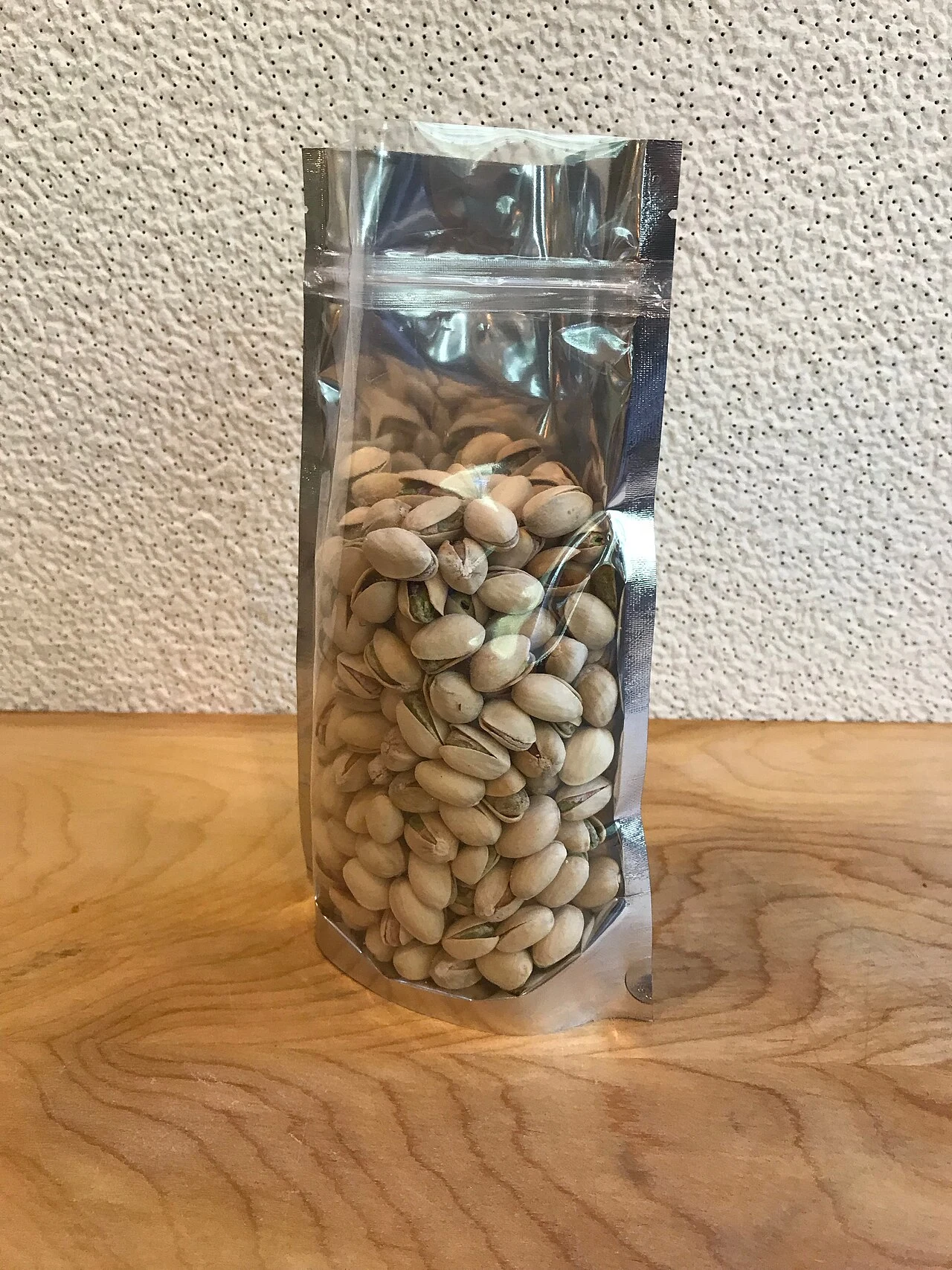
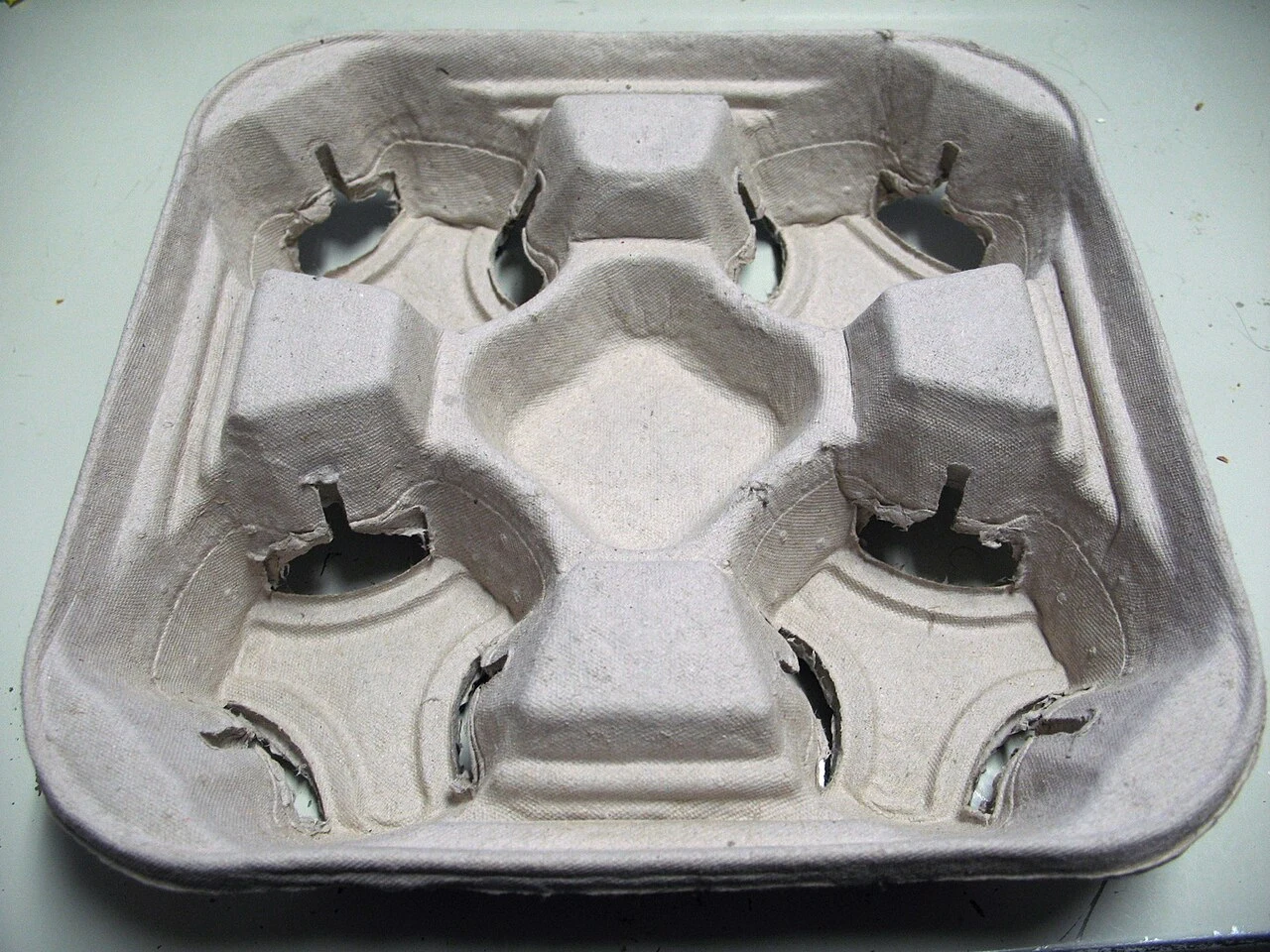
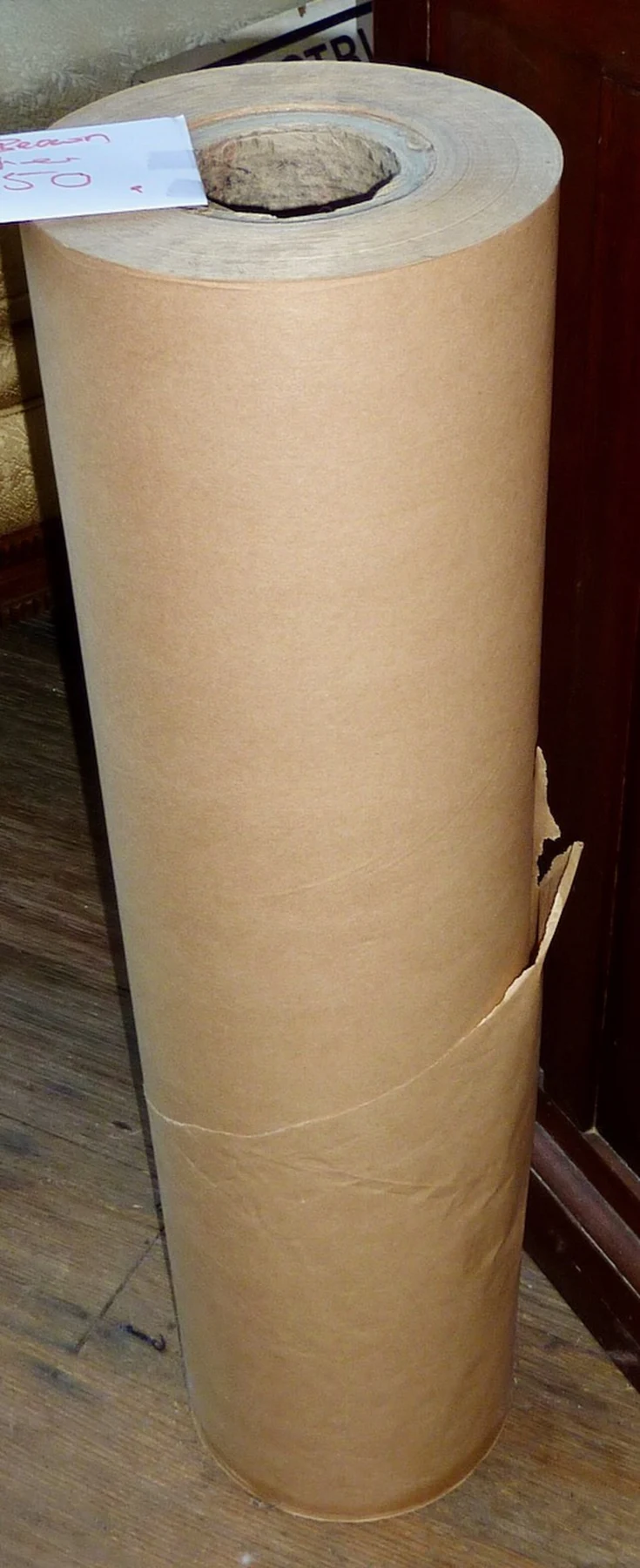
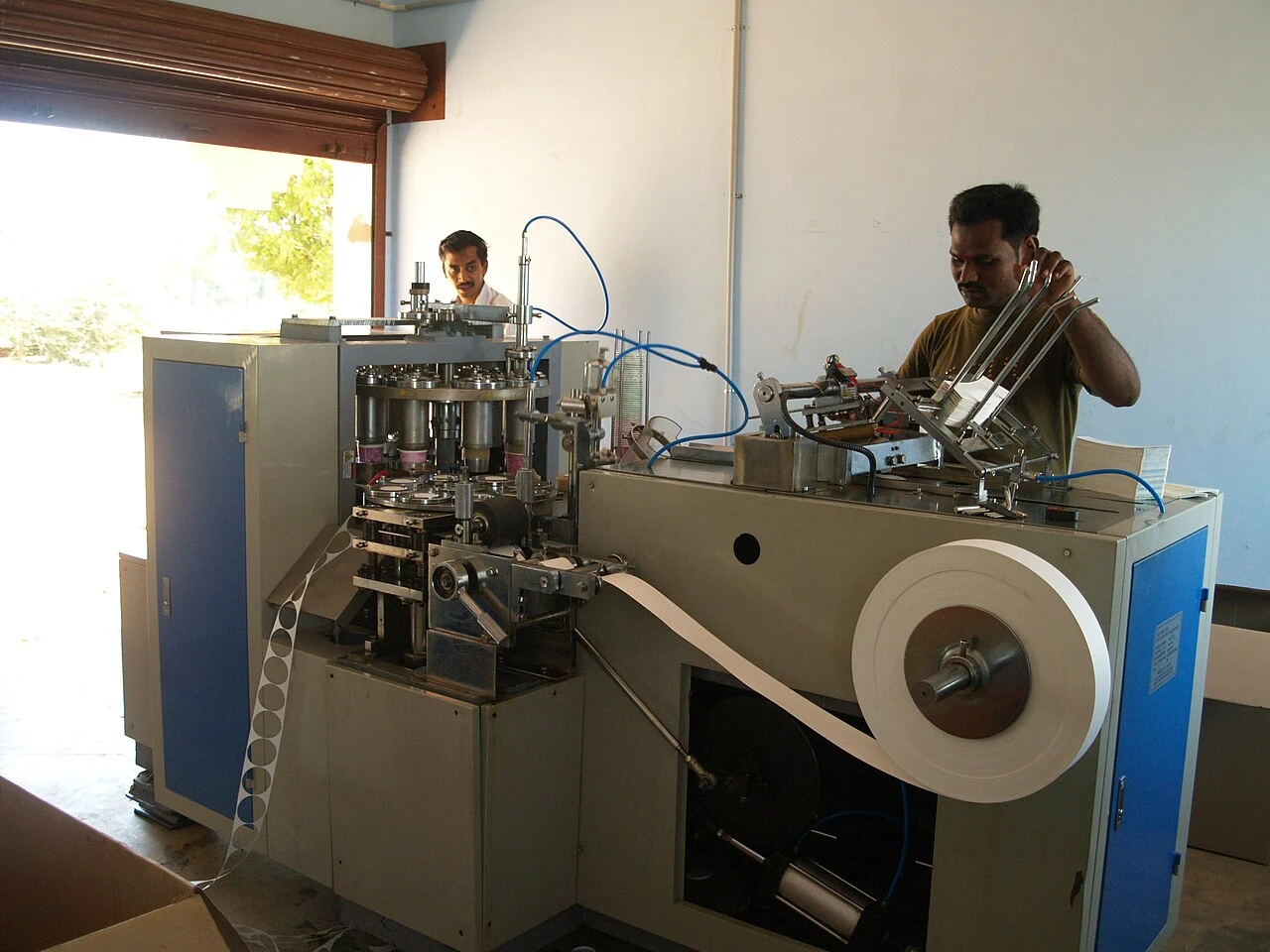
Sustainable Packaging · Reference photograph · final product configuration confirmed per project

Replace a broad ambition with a defined objective

Begin with the problem the packaging change should address. The objective might concern a particular material input, less material for an identified function, a workable reuse system or a relevant recovery route. These are different propositions and should not be bundled into one green label. Define the current configuration, proposed change and decision boundary. Record which functions must remain suitable, including product protection and packing operations. This makes alternatives comparable and allows technical teams to explain trade-offs. A material can look more natural without answering the objective; a measurable feature can improve without proving overall environmental superiority. Keep the claim no broader than the assessment.

Map the complete pack and the real interfaces

List the main container and the components added around it: closure, label, adhesive, coating, insert, sleeve and protective packing as relevant. Identify who supplies and controls each one. A property of the carton does not automatically describe the full set, and a supplier may not know what the buyer adds during packing. Review practical separation and any user instructions with competent support when they matter to the proposition. Do not assume a material family or a monomaterial description settles the whole question. The component map should connect actual parts to drawings, material references and proposed public wording, making hidden evidence gaps visible.

Keep each environmental statement on its own basis

Recycled content concerns defined material input. Recyclability also depends on the actual construction and relevant destination context. Reuse needs an identified repeated-use arrangement and suitable functional evidence. Compostability has its own conditions and supporting scope. None proves the others. Request documents that answer the exact statement, distinguishing supplier declarations from independent assessments and certification. Verify identity and scope where the decision relies on them; a logo does not establish universal approval or unrestricted mark use. Current, qualified review should address intended-market wording. This page supplies a purchasing framework, not a product approval or a declaration of legal requirements for a destination.

Evaluate alternatives without losing protection and operations

Use representative samples and trials to examine the changed configuration. A lighter board, different barrier or reduced insert can affect forming, joints, access, packed arrangement or protection. Ask which earlier results remain relevant and what new evidence is needed. Compare usable output and the complete delivery scope rather than one material figure or unit price. If a change creates additional assembly or protective packing, include that work in the decision. Where a comparative environmental conclusion is proposed, define its basis and seek appropriate interpretation. Avoid a universal ranking of paper, plastic, flexible structures or reusable formats; the actual system and assessment boundary matter.

Maintain a dated decision and controlled communication

Keep a register linking each approved statement to the exact component, configuration, evidence, reviewer and date. Store the actual wording and its translated versions, including limitations. The design around a sentence can broaden its apparent meaning, so review the real artwork and sales materials. Require relevant supplier changes to be raised before implementation. Another coating, adhesive or source can affect support even when the pack looks unchanged. For repeat orders, confirm the current basis and relevant contextual changes. This creates a practical route from ambition to a defined purchase and supportable communication, while allowing useful improvements through focused review rather than blanket environmental promises.

Define your project.

  1. State the exact improvement objective and comparison boundary.
  2. Map every relevant component and material treatment.
  3. Separate content, recovery, reuse and compostability claims.
  4. Confirm protection and converting evidence after changes.
  5. Retain dated wording approvals and supplier change records.

Knowledge for the next decision